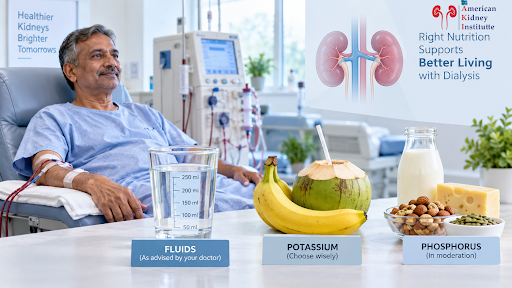
Why Should Dialysis Patients Control Water, Potassium and Phosphorus Intake?
For people undergoing dialysis, food and fluid choices are an important part of everyday kidney care. When the kidneys are no longer able to remove enough waste and extra fluid from the body, substances such as water, sodium, potassium, and phosphorus can build up between dialysis sessions. Managing these levels can help reduce complications and support better overall health.
Many dialysis patients have questions such as: How much water can I drink? Which foods contain too much potassium? Why should phosphorus be limited? Why does my weight increase between two dialysis sessions? These are important questions because what you eat and drink can directly affect how your body feels before and after dialysis.
The right diet does not mean that you have to stop enjoying food. Instead, it means understanding which foods and drinks need to be limited, how much you can safely consume, and how to follow the fluid and dietary plan recommended by your nephrologist and dietitian.
For patients looking for Dialysis in Vijayawada, understanding these dietary precautions is an important part of learning how to manage life during regular dialysis treatment.
Why Do Dialysis Patients Need to Control Water Intake?
Healthy kidneys continuously remove extra water from the body through urine. When kidney function becomes severely reduced, this natural process is affected. Dialysis can remove some of the excess fluid, but fluid can still accumulate between dialysis sessions.
This is why dialysis patients are often advised to follow a fluid restriction based on their individual condition. The exact amount is not the same for everyone. It may depend on urine output, body size, dialysis schedule, heart condition, blood pressure, and other medical factors.
Drinking more fluid than recommended can cause the body to retain excess water. This may result in swelling of the feet, ankles, face, or hands. Some people may also notice rapid weight gain between dialysis sessions.
When too much fluid accumulates, it can become more difficult for the heart and lungs to handle the extra volume. In some patients, fluid overload can contribute to breathlessness, high blood pressure, and other serious complications.
Therefore, fluid restriction is not simply about drinking less water. It is about maintaining a safer fluid balance between dialysis treatments.
What Happens If a Dialysis Patient Drinks Too Much Water?
Excessive fluid intake between dialysis sessions can lead to a condition commonly described as fluid overload. Since the kidneys cannot remove the extra fluid efficiently, the fluid remains in the body until it can be removed during dialysis.
One of the easiest ways to notice excess fluid is through an increase in body weight. This is why dialysis patients are usually weighed before and after dialysis.
The weight gained between dialysis sessions is often largely related to fluid accumulation rather than actual body tissue gain. If the increase is significant, removing all of that fluid during one dialysis session may be difficult or may cause uncomfortable symptoms.
Large amounts of fluid removal during dialysis can sometimes lead to low blood pressure, cramps, weakness, dizziness, or nausea. For this reason, preventing excessive fluid accumulation is generally better than trying to remove a very large amount of fluid during a single treatment.
Important fluid management points for dialysis patients
- Follow the fluid limit prescribed by your nephrologist rather than following a general number found online. Your appropriate fluid allowance depends on your kidney function, urine output, dialysis schedule, and other health conditions.
- Remember that fluids include more than plain water. Tea, coffee, milk, juices, soups, ice cubes, soft drinks, and other liquid foods can also contribute to your daily fluid intake.
- Measure your daily fluids when you have been advised to restrict them. Using a measuring cup or bottle can help you understand how much you are actually consuming instead of estimating.
- Reduce unnecessary thirst by controlling salt intake. Eating very salty foods can make you thirsty and may encourage you to drink more fluid, making fluid management more difficult.
- Do not change your fluid restriction suddenly without medical advice. If you are extremely thirsty, producing more or less urine than usual, or experiencing swelling or breathlessness, discuss it with your healthcare team.
Why Is Weight Gain Between Dialysis Sessions Important?
One of the important measurements for a dialysis patient is the change in body weight between treatments. This is sometimes called interdialytic weight gain.
If a patient drinks a lot of fluid between two dialysis sessions, the extra water can increase body weight. A sudden increase may indicate that the body is retaining more fluid than recommended.
For example, if your target or dry weight has been established by your dialysis team, a significant increase above that weight may indicate fluid accumulation. Your dialysis team can determine how much fluid needs to be removed during treatment.
Patients should not compare their weight goals with another dialysis patient because dry weight and fluid requirements are individualized.
The commonly mentioned goal of keeping weight gain around two to three kilograms should not be treated as a universal rule for every person. Your nephrologist should determine the appropriate target based on your medical condition.
For anyone undergoing Dialysis in Vijayawada, regular monitoring of weight before and after dialysis can provide useful information about fluid balance and help the healthcare team adjust treatment when necessary.
Why Is Potassium Control Important During Dialysis?
Potassium is an essential mineral. It helps muscles function properly and plays an important role in maintaining the normal electrical activity of the heart.
However, when kidney function is severely reduced, the body may not be able to remove potassium effectively. As a result, potassium can accumulate in the blood.
A high potassium level is known as hyperkalemia. In some cases, it may cause muscle weakness, tiredness, nausea, abnormal sensations, or other symptoms. More importantly, very high potassium levels can affect the electrical rhythm of the heart and may lead to dangerous heart rhythm abnormalities.
This is why potassium control is particularly important for many dialysis patients.
It is important to understand that not every food containing potassium must automatically be completely avoided. The amount that is appropriate depends on your blood potassium levels and the dietary plan recommended by your healthcare team.
Which Foods Can Be High in Potassium?
Several nutritious foods can contain significant amounts of potassium. This does not mean that these foods are unhealthy for everyone. It means dialysis patients may need to control portions or choose alternatives depending on their potassium levels.
Foods that may require limitation in some dialysis patients include bananas, coconut water, oranges and certain other citrus fruits, dried fruits, potatoes, tomatoes, and some other fruits and vegetables.
Coconut water is sometimes considered a healthy drink, but it can contain a considerable amount of potassium. Therefore, dialysis patients should not assume that it is automatically safe simply because it is a natural beverage.
Similarly, bananas are nutritious, but they can contain substantial potassium. Your dietitian may recommend smaller portions or alternative fruits depending on your blood test results.
How can potassium intake be managed?
- Do not completely remove fruits and vegetables from your diet without professional advice. Many fruits and vegetables provide valuable vitamins, minerals, and fiber, so the goal is usually appropriate selection and portion control.
- Learn which foods are higher in potassium and discuss suitable alternatives with your dietitian. Your dietary plan can be customized according to your blood potassium level and nutritional needs.
- Be careful with salt substitutes. Some salt substitutes contain potassium chloride, which may significantly increase potassium intake in people with kidney failure.
- Pay attention to packaged foods and additives. Some processed foods can contain potassium-based additives, so reading food labels can be helpful.
- Never rely only on symptoms to judge potassium levels. High potassium may not cause obvious warning symptoms, which is why regular blood tests are important.
Why Should Dialysis Patients Control Phosphorus?
Phosphorus is another mineral that needs attention when kidney function is severely reduced.
Normally, the kidneys help maintain the correct balance of phosphorus in the body. When kidney function declines, phosphorus may accumulate in the blood.
Persistently high phosphorus levels can affect the body’s mineral and bone balance. The body may respond by changing levels of hormones involved in calcium and phosphorus regulation. Over time, these changes can contribute to bone and mineral problems.
High phosphorus levels may also be associated with itching and other complications in some patients. Long-term disturbances in calcium and phosphorus balance can affect bones and may contribute to abnormal calcium deposits in blood vessels and other tissues.
For this reason, phosphorus management is an important part of many dialysis diets.
For patients receiving Dialysis in Vijayawada, understanding phosphorus-rich foods and reading food labels can make it easier to follow the dietary plan recommended by their healthcare team.
Which Foods Are High in Phosphorus?
Phosphorus can be found in many foods. Dairy products such as milk and cheese can contain phosphorus. Nuts and seeds, including many dry fruits, can also contribute phosphorus to the diet.
Processed foods can sometimes be a hidden source because phosphorus-containing food additives may be used during manufacturing.
Therefore, managing phosphorus is not only about avoiding obvious foods. It is also about understanding food labels and learning how phosphorus additives may appear in packaged products.
Foods that may need to be limited depending on your phosphorus level
- Milk and dairy products may need portion control because they can provide significant phosphorus. Your dietitian can help determine an appropriate amount while still ensuring that your diet provides adequate nutrition.
- Cheese and processed dairy foods may contribute phosphorus as well as sodium. Because many dialysis patients also need to control sodium, portion size and food choice are important.
- Nuts and dry fruits can contain phosphorus and potassium. Although they may be nutritious, the appropriate quantity for a dialysis patient may be different from that for someone with normal kidney function.
- Processed and packaged foods may contain phosphorus additives. Learning to recognize ingredients that contain “phos” can help you identify some phosphorus additives on food labels.
- Do not unnecessarily eliminate every phosphorus-containing food. The goal is to maintain nutritional balance while controlling excessive phosphorus intake.
What Are Phosphate Binders and Why Are They Prescribed?
Some dialysis patients may be prescribed phosphate binders by their nephrologist.
These medicines work by binding phosphorus from food in the digestive tract so that less phosphorus is absorbed into the bloodstream. They are generally taken with meals or snacks as specifically instructed by the treating doctor.
Phosphate binders are not a replacement for dietary management. They are part of an overall treatment plan that may include dialysis, dietary changes, blood tests, and prescribed medications.
It is important to take them exactly as directed because the timing can affect how well they work.
Never start, stop, or change the dose of a phosphate binder without discussing it with your nephrologist.
Why Should Dialysis Patients Also Control Salt Intake?
Salt and fluid management are closely connected.
When you consume a large amount of sodium, you may become thirstier and drink more fluids. For a dialysis patient who already has a prescribed fluid limit, increased thirst can make fluid control much harder.
High sodium intake can also contribute to increased blood pressure and fluid retention.
Common sources of excess sodium include pickles, papads, packaged snacks, instant foods, processed meats, salty biscuits, sauces, and heavily salted meals.
Reducing salt does not mean eating tasteless food. Herbs, spices, lemon in appropriate amounts, and other flavoring methods can sometimes help make meals enjoyable without relying heavily on salt.
What Should Dialysis Patients Do About Thirst?
Managing thirst can be one of the most difficult parts of fluid restriction.
A person may feel thirsty even after drinking the amount of fluid recommended by their healthcare team. This is why reducing salt intake and spreading fluids throughout the day can be useful.
Some patients find that using small cups, measuring the day’s fluid allowance in advance, or slowly sipping rather than drinking large amounts at once makes fluid management easier.
However, severe or unusual thirst should not simply be ignored. If your thirst has suddenly increased, discuss it with your dialysis team because there may be dietary, medication-related, or medical reasons that need attention.
What Should a Dialysis Patient Eat?
There is no single dialysis diet that is perfect for everyone.
Dietary requirements can differ according to whether the person is on hemodialysis or peritoneal dialysis, remaining kidney function, blood potassium, phosphorus levels, diabetes status, nutritional status, urine output, and other medical factors.
Many dialysis patients need adequate protein because dialysis can increase protein requirements. At the same time, sodium, potassium, phosphorus, and fluid may need to be controlled.
Therefore, it is better to focus on a personalized diet rather than following a generic internet diet.
A renal dietitian can help you create meals that provide enough calories and protein while keeping certain nutrients within the recommended range.
Why Regular Blood Tests Matter
Dietary restrictions should not be based only on assumptions.
Regular blood tests help your healthcare team understand your potassium, phosphorus, calcium, hemoglobin, and other important health markers.
If your potassium level is repeatedly high, your doctor or dietitian may adjust your food choices. If your phosphorus level is elevated, your dietary plan or phosphate-binding medication may need review.
Similarly, if you are losing weight or becoming nutritionally weak, your diet may need to be adjusted to provide adequate calories and protein.
For people receiving Dialysis in Vijayawada, regular follow-up and blood testing can help the medical team make informed decisions rather than relying only on general dietary restrictions.
Common Mistakes Dialysis Patients Should Avoid
Some patients accidentally consume too much fluid because they count only water and forget about other beverages and liquid foods.
Another common mistake is eating large portions of high-potassium foods because they are considered healthy. A food can be nutritious and still need portion control when kidney function is severely reduced.
Some patients also overlook phosphorus additives in processed foods. Others may stop phosphate binders when they feel well, without realizing that high phosphorus may not always cause noticeable symptoms.
Important mistakes to avoid
- Do not drink large amounts of water simply because you believe more water is always healthier. Fluid needs are different for people with advanced kidney disease, especially those undergoing dialysis.
- Do not assume that natural drinks are automatically safe. Coconut water, fruit juices, and other beverages can contain potassium, phosphorus, or significant amounts of fluid.
- Do not stop eating nutritious foods without knowing your blood test results. Your diet should provide enough calories, protein, vitamins, and minerals while controlling the nutrients that need restriction.
- Do not take salt substitutes without checking their ingredients. Some products use potassium chloride and may not be suitable for people who need potassium restriction.
- Do not change medications such as phosphate binders without medical advice. The correct medicine and timing depend on your individual treatment plan.
How Can Family Members Help a Dialysis Patient?
Family support can make dietary management much easier.
Instead of preparing completely different meals for the patient, families can learn how to prepare kidney-friendly meals with appropriate portions and less salt.
Keeping track of fluid intake can also become easier when family members understand why the restriction is necessary.
Family members should also avoid encouraging the patient to drink extra water without considering the fluid plan given by the dialysis team.
For many people, dialysis is a long-term treatment journey. A supportive home environment can help patients follow their diet and treatment schedule more consistently.
Can Proper Diet Improve the Dialysis Experience?
Diet alone cannot replace dialysis or medical treatment, but appropriate dietary management can help reduce the buildup of certain substances and excess fluid between dialysis sessions.
Following the recommended fluid limit can help reduce excessive fluid accumulation. Controlling potassium can help reduce the risk associated with high blood potassium. Managing phosphorus can support better mineral and bone health.
The overall goal is not to make the patient afraid of food or water. The goal is to create a safe and sustainable routine based on individual medical needs.
Patients should also remember that dialysis treatment, prescribed medications, regular blood tests, physical activity when appropriate, adequate nutrition, and medical follow-up all work together as part of comprehensive kidney care.
When Should a Dialysis Patient Contact the Doctor?
Certain symptoms should not be ignored.
Severe breathlessness, chest discomfort, fainting, severe weakness, palpitations, confusion, or sudden swelling can require urgent medical attention.
A dialysis patient should also inform the healthcare team if there is a sudden and unexplained increase in weight, persistent vomiting, major changes in urine output, or difficulty following the prescribed fluid or diet plan.
Potassium abnormalities can sometimes occur without obvious symptoms. Therefore, regular blood tests remain important even when the patient feels well.
If you are undergoing Dialysis in Vijayawada, maintaining regular communication with your nephrologist can help identify problems early and allow your treatment plan to be adjusted when required.
American Kidney Institute – Comprehensive Kidney Care
American Kidney Institute is a specialized kidney care center dedicated to comprehensive treatment and management of kidney-related conditions, including chronic kidney disease, kidney failure, dialysis, and kidney transplantation. The institute focuses on personalized treatment, accurate diagnosis, regular monitoring, and patient education under experienced nephrology and transplant care. Patients receive guidance on important aspects of kidney health, including fluid management, dietary control, potassium and phosphorus balance, dialysis care, and long-term kidney disease management, helping them make informed decisions and work toward a better quality of life.
Frequently Asked Questions
1. Why do dialysis patients need to restrict water?
Dialysis patients may not be able to remove extra fluid through the kidneys effectively. Excess fluid can accumulate between dialysis sessions and may contribute to swelling, high blood pressure, and breathing difficulty. The correct fluid allowance should be decided by your nephrologist based on your individual condition.
2. How much water can a dialysis patient drink every day?
There is no single fluid limit that is safe for every dialysis patient. The recommended amount depends on factors such as urine output, body size, dialysis schedule, and other medical conditions. Your nephrologist or renal dietitian should provide your personal daily fluid allowance.
3. Why is potassium dangerous for dialysis patients?
When kidney function is severely reduced, potassium can build up in the bloodstream. Very high potassium levels can affect the electrical activity of the heart and may cause dangerous abnormal heart rhythms. Regular blood tests help your healthcare team monitor potassium levels.
4. Can dialysis patients eat bananas?
Bananas contain potassium and may need to be limited by patients whose blood potassium is high. However, the appropriate amount varies from person to person. Instead of completely avoiding bananas without medical advice, discuss suitable fruit portions with your renal dietitian.
5. Can dialysis patients drink coconut water?
Coconut water can contain a significant amount of potassium, so it may not be suitable for patients who need potassium restriction. Dialysis patients should not assume that coconut water is safe simply because it is a natural beverage. Ask your nephrologist or dietitian before including it regularly.
6. Why should phosphorus be controlled during dialysis?
When the kidneys cannot remove phosphorus effectively, it can accumulate in the blood and disturb calcium and bone metabolism. Long-term phosphorus imbalance can contribute to bone and mineral problems. Dietary control and prescribed phosphate binders may be used as part of treatment.
7. Can dialysis patients eat milk and cheese?
Milk and cheese contain phosphorus and may need to be consumed in controlled portions depending on the patient’s blood phosphorus level. They also provide important nutrients, so completely removing dairy products may not be appropriate for everyone. A renal dietitian can suggest suitable portions or alternatives.
8. Why does weight increase between dialysis sessions?
Weight gain between dialysis sessions is often caused mainly by the accumulation of extra fluid. Drinking more fluid than recommended can increase this weight gain. Monitoring pre-dialysis and post-dialysis weight helps the healthcare team assess fluid balance.
9. Is two to three kilograms of weight gain safe between dialysis sessions?
There is no universal weight-gain limit that applies to every dialysis patient. The acceptable amount depends partly on the patient’s target or dry weight and individual medical condition. Your dialysis team should provide the specific target that is appropriate for you.
10. Can dialysis patients eat fruits and vegetables?
Many dialysis patients can eat fruits and vegetables, but the selection and portion size may need to be adjusted according to potassium levels and other dietary requirements. Nutritious foods should not be removed unnecessarily. A renal dietitian can help create a balanced food plan.
Final Takeaway
Dialysis changes the way the body handles water and certain minerals. Because the kidneys cannot remove waste and excess fluid normally, dialysis patients often need to pay close attention to their fluid intake, potassium, phosphorus, and sodium.
Drinking more fluid than recommended can lead to excessive weight gain between dialysis sessions and may contribute to swelling, high blood pressure, and breathing difficulties. High potassium can affect the heart rhythm, while persistently high phosphorus can contribute to bone and mineral problems.
This does not mean that every dialysis patient needs to follow exactly the same diet. Your fluid allowance and food restrictions should be based on your individual medical condition and blood test results.
If you are receiving Dialysis in Vijayawada, working closely with your nephrologist and renal dietitian can help you understand exactly what you should eat and drink. Keep track of your weight, follow your prescribed dialysis schedule, take medications as directed, and attend regular blood tests.
At American Kidney Institute, the focus is on helping patients understand their kidney condition and follow an appropriate treatment and dietary plan. If you have questions about fluid restriction, potassium, phosphorus, dialysis diet, or changes in your weight between treatments, discuss them with your nephrologist rather than making major dietary changes on your own.
The goal of dialysis care is not simply to complete each dialysis session. It is also to support your overall health and quality of life through appropriate treatment, nutrition, fluid management, and regular medical monitoring.
If you are searching for Dialysis in Vijayawada, make sure you choose care that includes not only dialysis treatment but also appropriate medical guidance, monitoring, and patient education.
Important: Dietary requirements vary from patient to patient. The information in this article is for general education and should not replace advice from your nephrologist or renal dietitian.