10 Early Warning Signs That Your Kidneys May Be in Trouble

Introduction Your kidneys work quietly every day to remove waste and extra fluid from your blood. They also help maintain the body’s fluid and mineral balance and support other important functions. The difficult part is that kidney problems may not always produce obvious symptoms in the beginning. Chronic Kidney Disease (CKD) can develop gradually, and many people may not know they have it until kidney function has already decreased. Blood and urine tests are often needed to detect kidney disease early. However, as kidney function declines, certain changes may appear in the body. Swelling, changes in urination, foamy urine, tiredness, poor appetite, itching and difficulty concentrating are among the symptoms that can occur, particularly as kidney disease becomes more advanced. Recognizing these changes does not mean you definitely have kidney disease. Many of these symptoms can occur because of other health conditions. But persistent or unexplained changes should not simply be ignored. What Is Chronic Kidney Disease? Chronic Kidney Disease is a long-term condition in which the kidneys are damaged or have structural problems that affect their ability to filter blood properly. Healthy kidneys remove waste and extra fluid from the body through urine. When kidney function decreases, waste products and excess fluid can gradually accumulate. CKD can develop because of different conditions. In adults, diabetes and high blood pressure are among the leading causes, while heart disease and a family history of kidney disease can also increase risk. One important point is that CKD does not always cause symptoms in its early stages. That is why people with risk factors may need regular kidney testing even when they feel healthy. 10 Early Warning Signs That Your Kidneys May Be in Trouble 1. Swelling in Your Feet, Ankles or Face Unexplained swelling can sometimes be associated with kidney problems. When the kidneys are unable to remove enough extra salt and fluid, fluid may accumulate in different parts of the body. This can cause swelling, particularly around the feet, ankles and legs. In some cases, swelling may also occur in the hands or face. Swelling does not automatically mean you have kidney disease. Heart problems, liver disease, certain medications and other conditions can also cause edema. If swelling continues or keeps returning without an obvious reason, speak with a healthcare professional. 2. Changes in How Often You Urinate Changes in your normal urination pattern can sometimes provide a clue that something needs to be checked. You may notice that you are urinating more frequently, especially at night, or that you are passing much less urine than usual. However, changes in urination can have many causes. Diabetes, urinary tract problems, prostate conditions, medications and changes in fluid intake can all affect urination. Persistent changes should therefore be evaluated rather than automatically being attributed to kidney disease. 3. Foamy or Frothy Urine Have you noticed that your urine looks unusually foamy on a regular basis? Persistent foamy urine can sometimes be associated with protein or albumin in the urine. Healthy kidneys normally prevent significant amounts of albumin from passing from the blood into urine. When the kidney’s filtering structures are damaged, albumin can leak into the urine. Albumin in the urine, known as albuminuria, can be an important marker of kidney damage. A urine albumin-to-creatinine ratio, or UACR, is commonly used to evaluate urine albumin. 4. Unusual or Persistent Tiredness Feeling tired after a busy day or inadequate sleep is normal. But persistent fatigue without an obvious explanation deserves attention. As kidney disease progresses, complications such as anemia can occur. The buildup of waste products and other changes associated with reduced kidney function may also contribute to feeling weak or unwell. If you constantly feel exhausted despite getting enough rest, it is worth discussing the symptom with your doctor. A medical evaluation can determine whether the tiredness is related to kidney function, anemia, thyroid problems, nutritional deficiencies, sleep problems or another condition. 5. Loss of Appetite or Nausea Changes in appetite can occur for many reasons, but persistent loss of appetite or nausea may occur when kidney disease becomes more advanced. As kidney function becomes significantly reduced, waste products can build up in the blood. This may contribute to nausea, vomiting or reduced appetite. These symptoms should not automatically be considered signs of kidney disease because stomach problems, infections, medications and other medical conditions can cause them as well. If nausea or appetite loss continues, medical evaluation can help identify the underlying cause. 6. Itchy or Very Dry Skin Persistent itching can sometimes occur in people with advanced kidney disease. The kidneys help maintain the body’s balance of minerals and other substances. When kidney function becomes significantly impaired, changes in this balance can contribute to skin-related symptoms, including itching and dryness. If itching continues without an obvious skin condition, especially when combined with swelling, fatigue or changes in urination, talk to a healthcare professional. 7. Muscle Cramps Repeated muscle cramps may have several possible causes, including dehydration, physical activity, certain medications and electrolyte changes. People with advanced kidney disease can also develop problems with fluid and mineral balance that may contribute to muscle cramps. This means occasional muscle cramps do not necessarily indicate kidney disease. However, frequent or unexplained cramps, particularly when accompanied by other symptoms, should be discussed with a doctor. 8. Difficulty Concentrating Have you recently noticed that it is harder to concentrate on work, studies or everyday tasks? Difficulty concentrating can have many causes, including stress, poor sleep, medications and other health conditions. In more advanced Chronic Kidney Disease, changes in the body’s chemical balance and buildup of waste products can contribute to concentration problems. If concentration problems are persistent or occur along with other symptoms, medical evaluation can help determine the cause. 9. Shortness of Breath Shortness of breath can occur for many reasons, including heart and lung conditions. In advanced kidney disease, excess fluid can accumulate in the body and may contribute to breathing difficulties. Kidney disease can also be associated with anemia, which may contribute to


Does Starting Dialysis Mean You Need It for Life? AKI vs CKD Explained

Does Starting Dialysis Mean You Need It for Life? AKI vs CKD Explained Starting dialysis can be frightening for both patients and their families. One of the first questions many people ask is, “Once dialysis starts, will I have to continue it for the rest of my life?” The answer is not always. Whether dialysis is temporary or long-term depends mainly on why the kidneys stopped working and whether the kidney damage can recover. Acute Kidney Injury (AKI) and Chronic Kidney Disease (CKD) are two very different conditions, and the need for dialysis can be very different in each. In some patients with AKI, dialysis may be needed only for a few days or weeks while the kidneys recover. In advanced CKD, however, the kidneys may have permanent damage, and long-term dialysis or kidney transplantation may become necessary. For anyone searching for the Best Nephrologist in Vijayawada, understanding the difference between AKI and CKD is an important first step in understanding why dialysis has been recommended. What Is Dialysis? Dialysis is a treatment that performs some of the important functions normally carried out by healthy kidneys. Healthy kidneys remove waste products and excess fluid from the blood. They also help maintain the body’s electrolyte and acid-base balance. When kidney function becomes severely reduced, waste products, excess fluid, potassium, and acids can build up in the body. Dialysis helps remove these substances when the kidneys are unable to do so adequately. There are two main types of dialysis: Hemodialysis: Blood is passed through a special filter called a dialyzer, where waste products and excess fluid are removed before the blood is returned to the body. Peritoneal dialysis: The patient’s peritoneum, which is the lining inside the abdomen, is used as a natural filtering membrane with the help of dialysis fluid. The type of dialysis depends on the patient’s medical condition, kidney function, lifestyle, treatment needs, and medical advice. When patients search for Dialysis in Vijayawada, they should understand that dialysis is not a single treatment plan that is identical for every patient. The duration and frequency depend on the underlying kidney condition. Does Starting Dialysis Mean It Will Continue for Life? No. Starting dialysis does not automatically mean that dialysis will be lifelong. This is one of the most important things patients should understand. The kidneys can sometimes recover after a sudden injury. If dialysis was started because of an episode of AKI, the treatment may be temporary. For example, severe infection, dehydration, very low blood pressure, certain medicines, or other medical problems can suddenly affect kidney function. If the underlying problem is treated and the kidneys recover, dialysis may eventually be stopped. On the other hand, advanced CKD usually develops over many years. When a large amount of kidney tissue has been permanently damaged, the kidneys may not recover enough to perform their essential functions independently. In such situations, long-term dialysis or kidney transplantation may be required. Therefore, the most important question is not simply “Have I started dialysis?” The more important question is: “Why did my kidneys stop working?” What Is Acute Kidney Injury? Acute Kidney Injury, commonly called AKI, is a sudden decrease in kidney function. It can develop within hours or days. Unlike CKD, AKI may be reversible, depending on the cause and severity of the injury. Some patients with severe AKI may temporarily need dialysis because their kidneys cannot remove enough waste and fluid from the body. However, once the underlying cause is treated and kidney function improves, dialysis may no longer be necessary. This is why patients with AKI should not immediately assume that dialysis will continue permanently. Common Causes of Acute Kidney Injury AKI can occur for many different reasons. Some of the common causes include: Severe infections such as sepsis: A serious infection can cause low blood pressure, inflammation, and reduced blood flow to the kidneys, leading to sudden kidney injury. Severe dehydration: Significant loss of fluids due to vomiting, diarrhea, excessive sweating, poor fluid intake, or other causes can reduce blood flow to the kidneys. Very low blood pressure: Conditions such as severe infection, major blood loss, or shock can reduce the blood supply reaching the kidneys. Certain medicines or toxins: Some medicines can injure the kidneys, especially when used inappropriately or in vulnerable patients. Urinary obstruction: Problems that block the normal flow of urine can sometimes cause kidney function to deteriorate. Inflammatory or immune-related kidney diseases: Certain conditions can directly affect kidney tissue and cause sudden deterioration in kidney function. The treatment of AKI focuses on identifying and correcting the underlying cause while supporting the patient until the kidneys recover. When Is Dialysis Needed in AKI? Not every patient with AKI requires dialysis. Doctors decide whether dialysis is necessary based on the patient’s overall condition rather than one blood test alone. Dialysis may be considered when kidney failure leads to problems that cannot be safely managed with medicines and supportive treatment. Some important situations include: Severe fluid overload: When the kidneys cannot remove excess fluid and the patient develops serious fluid accumulation, dialysis may be needed to remove the extra fluid. Dangerously high potassium levels: Severe hyperkalemia can affect the heart and may require urgent treatment, including dialysis in selected situations. Severe metabolic acidosis: When the body becomes excessively acidic and the problem cannot be adequately corrected with medical treatment, dialysis may be considered. Significant accumulation of waste products: Severe buildup of waste products can cause symptoms and complications that may require dialysis. Certain severe complications of kidney failure: The patient’s symptoms and overall clinical condition may make dialysis necessary. In these situations, dialysis acts as supportive treatment while doctors work to treat the cause of AKI. Can Dialysis Be Stopped After AKI? Yes, dialysis can sometimes be stopped when kidney function recovers sufficiently. This is one of the biggest differences between temporary dialysis for AKI and maintenance dialysis for advanced CKD. When a patient is receiving dialysis for AKI, the nephrology team regularly monitors kidney function and the patient’s

How Nephrologists Diagnose and Treat Chronic Kidney Disease

How Nephrologists Diagnose and Treat Chronic Kidney Disease Chronic kidney disease, commonly called CKD, is a long-term condition in which the kidneys become damaged or their ability to filter blood decreases over time. The condition can affect people of different ages and may develop because of diabetes, high blood pressure, inherited kidney disorders, autoimmune diseases, repeated kidney injury, and other medical conditions. One of the biggest challenges with CKD is that it can develop quietly. Many people do not experience clear symptoms during the early stages. Blood and urine tests may identify kidney damage before a person feels unwell. This is where a nephrologist plays an important role. A nephrologist is a doctor who specializes in kidney diseases. Nephrologists do more than treat advanced kidney failure. They investigate why kidney function is changing, assess the severity of kidney disease, manage complications, and create treatment plans designed to protect remaining kidney function. For people searching for the Best Nephrologist in Vijayawada, understanding how CKD is diagnosed and treated can help them recognize the importance of timely kidney care. What Is Chronic Kidney Disease? Chronic kidney disease means there is an abnormality in kidney structure or function that persists for at least three months. Healthy kidneys continuously filter the blood. They remove waste products and excess fluid through urine while helping regulate electrolytes, acid-base balance, blood pressure, and other important body functions. When kidney function becomes reduced, waste products and excess substances may gradually accumulate in the body. CKD can also lead to complications involving blood pressure, anemia, bones, minerals, heart health, and nutrition. The condition does not always progress quickly. Some people remain stable for many years, while others experience a faster decline in kidney function. This difference makes regular monitoring important. Why Can Chronic Kidney Disease Go Unnoticed? Early CKD often does not produce obvious symptoms. A person may have an abnormal kidney test while continuing to work, eat, exercise, and carry out normal daily activities. Symptoms may become more noticeable as kidney function declines. These can include swelling, tiredness, nausea, poor appetite, changes in urination, itching, muscle cramps, or shortness of breath. However, symptoms alone cannot determine whether someone has CKD. Testing is important because blood and urine tests can identify kidney damage or reduced filtration before serious symptoms develop. Who Is at Higher Risk of CKD? Certain health conditions increase the risk of developing kidney disease. People who may need regular kidney evaluation include those with: Diabetes, particularly when blood glucose has been difficult to control over time. High blood pressure, especially when it remains uncontrolled or requires multiple medicines. Heart disease or other cardiovascular conditions associated with increased kidney risk. A family history of kidney failure or certain inherited kidney diseases. Previous episodes of acute kidney injury or repeated kidney-related problems. Conditions such as autoimmune diseases that can affect the kidney’s filtering structures. NIDDK identifies diabetes, hypertension, cardiovascular disease, and family history of kidney failure among important CKD risk factors. When Should You See a Nephrologist? You may need nephrology evaluation when kidney tests are repeatedly abnormal or when kidney function is changing. Common reasons include: Persistently elevated creatinine or reduced eGFR on blood tests. Protein or albumin repeatedly detected in urine. A rapid or unexplained decline in kidney function. Blood in the urine with other kidney abnormalities. High blood pressure that remains difficult to control. Unexplained swelling or fluid retention. Repeated kidney stones, infections, or other kidney-related problems. Abnormal potassium, calcium, phosphorus, or bicarbonate levels associated with reduced kidney function. Advanced CKD where dialysis or kidney transplantation may eventually need to be considered. Early specialist evaluation does not mean dialysis is immediately required. In many cases, the purpose is to understand the problem early and protect kidney function. How Do Nephrologists Diagnose CKD? Diagnosing CKD involves several pieces of information. A nephrologist may review your medical history, symptoms, previous laboratory reports, medications, blood pressure readings, blood tests, urine tests, and imaging results. The two major markers used to identify and monitor CKD are eGFR and urine albumin. The doctor also needs to determine whether the abnormality is truly chronic. An abnormal test caused by temporary dehydration or an acute illness should not automatically be labeled as chronic kidney disease. Understanding Creatinine Creatinine is a waste product produced through normal muscle metabolism. Healthy kidneys remove creatinine from the blood. When kidney filtration decreases, blood creatinine may increase. However, creatinine is not a perfect measure of kidney function by itself. Muscle mass, age, diet, certain medicines, and other factors can affect creatinine levels. For this reason, nephrologists usually interpret creatinine alongside eGFR and other findings. A single elevated creatinine result does not automatically mean that someone has permanent CKD. What Is eGFR? The estimated glomerular filtration rate, or eGFR, estimates how efficiently the kidneys filter blood. It is calculated using blood-test information and an established estimation equation. A persistently reduced eGFR can indicate chronic kidney disease. NIDDK notes that an eGFR below 60 may indicate kidney disease, while an eGFR of 15 or lower is generally considered the kidney failure range. However, doctors do not make treatment decisions based on eGFR alone. The patient’s symptoms, urine albumin, underlying cause, rate of change, other laboratory findings, age, and overall health also matter. Why Is Urine Testing Important? Blood tests tell doctors about kidney filtration, but urine tests provide different information. One important test is the urine albumin-to-creatinine ratio, or UACR. Albumin is a protein normally found in the blood. Healthy kidneys generally prevent significant amounts of albumin from passing into urine. When the kidney’s filtering barrier is damaged, albumin can leak into urine. Persistent albuminuria can therefore be an important sign of kidney damage. A UACR above 30 mg/g may indicate increased urine albumin, although results need to be interpreted in the clinical context and may be repeated for confirmation. What Other Urine Tests May Be Done? A nephrologist may order a complete urinalysis depending on the patient’s condition. The test can provide information about: Protein: Persistent protein

How to Decide Whether Dialysis Is the Right Choice for Elderly Parents

How to Decide Whether Dialysis Is the Right Choice for Elderly Parents Watching an elderly parent struggle with kidney disease is one of the most emotional experiences a family can face. Many families feel confused when they hear that their loved one has reached advanced kidney disease and may need dialysis. Questions such as, “Will dialysis improve their life?”, “Will they become healthier?”, or “Are there other treatment options?” are very common. The truth is that there is no single answer that fits every patient. Every elderly person has different health conditions, different levels of strength, and different personal wishes. While dialysis can be life-saving for many people, it may not always be the best option for every older adult, especially those who are very frail or living with multiple medical problems. Understanding all available treatment options helps families make informed decisions with confidence instead of fear. Our goal is not only to help patients live longer but also to help them live with dignity, comfort, and the best possible quality of life. If you are searching for trusted guidance regarding Dialysis in Vijayawada, understanding the complete picture before making a decision is extremely important. Understanding Kidney Failure in Elderly Patients Our kidneys perform many essential functions every single day. They remove waste products, balance fluids, regulate blood pressure, maintain healthy electrolyte levels, and help produce hormones that support red blood cell production and bone health. As people age, kidney function naturally declines. However, diseases such as diabetes, high blood pressure, heart disease, repeated kidney infections, or long-standing kidney damage can cause the kidneys to fail much faster. When kidney function falls to a very low level, doctors diagnose End-Stage Kidney Disease (ESKD). At this stage, waste products and excess fluids begin to accumulate inside the body. Without proper treatment, these changes can lead to symptoms that affect daily life. Common symptoms of advanced kidney disease include: Persistent tiredness that does not improve with rest and makes routine daily activities difficult to perform. Swelling in the legs, feet, hands, or face because the kidneys are unable to remove excess fluid effectively. Loss of appetite that gradually results in poor nutrition, weakness, and unintentional weight loss. Nausea and repeated vomiting caused by the buildup of waste products in the bloodstream. Difficulty breathing due to excess fluid accumulation in the lungs or severe anemia. Severe itching that affects sleep and reduces overall quality of life. Muscle cramps, disturbed sleep, and difficulty concentrating because of electrolyte imbalance. Reduced urine output or, in some patients, normal urine despite significant kidney damage. Many elderly patients also have other health conditions such as heart failure, dementia, stroke, or severe arthritis. These conditions can influence whether dialysis is likely to improve their health or create additional physical and emotional challenges. What Is Dialysis? Dialysis is a medical treatment that performs some of the functions normally carried out by healthy kidneys. It removes waste products, excess water, and harmful toxins from the blood when the kidneys are no longer able to do so effectively. Dialysis is an important treatment for many patients and has helped millions of people worldwide live longer and healthier lives. However, dialysis is not a cure for kidney disease. Instead, it replaces part of the kidney’s function and often needs to be continued regularly. There are two main types of dialysis: Hemodialysis During hemodialysis, blood is removed from the body through a special access point, cleaned using a dialysis machine, and then returned to the body. This treatment usually takes several hours and is performed multiple times each week. Peritoneal Dialysis Peritoneal dialysis uses the lining of the abdomen as a natural filter. A special dialysis solution is introduced into the abdomen, where it absorbs waste products before being drained away. The most appropriate treatment depends on the patient’s overall health, kidney condition, lifestyle, and personal preferences. Families exploring Dialysis in Vijayawada should understand that dialysis decisions are based on much more than creatinine levels alone. Doctors evaluate the complete health condition of each patient before recommending treatment. Does Every Elderly Patient Need Dialysis? One of the biggest misconceptions is that every elderly patient with advanced kidney disease must immediately begin dialysis. In reality, the decision is much more complex. Doctors consider several medical, physical, emotional, and personal factors before recommending dialysis. Some elderly patients benefit greatly from dialysis and regain strength to enjoy daily life. Others, especially those who are extremely weak or suffering from multiple serious illnesses, may not experience the same benefits. The decision should never be based only on laboratory numbers. Instead, doctors evaluate the complete picture, including: The patient’s overall physical strength and ability to tolerate repeated dialysis sessions over many months or years. Existing medical conditions such as heart disease, advanced diabetes, dementia, severe lung disease, cancer, or previous strokes that may affect treatment outcomes. The patient’s ability to travel regularly for dialysis sessions without excessive physical exhaustion. Nutritional status, body weight, muscle strength, and overall recovery potential. The patient’s own wishes regarding treatment, independence, and quality of life. The level of family support available to assist with transportation, medications, nutrition, and ongoing care. Expected improvement in symptoms after dialysis compared with the possible physical and emotional burden of treatment. This comprehensive evaluation helps families make decisions that are personalized rather than based on fear or assumptions. Looking Beyond Creatinine Levels One of the most common questions families ask is: “The creatinine level is very high. Does that mean dialysis must start immediately?” The answer is not always. Creatinine is an important blood test that helps doctors estimate kidney function, but it is only one part of the overall assessment. Some patients with high creatinine levels remain relatively stable for a period of time, while others with lower creatinine values may develop serious symptoms that require urgent treatment. Doctors also assess several additional factors before making recommendations. These include: The severity of swelling caused by fluid retention throughout the body. Difficulty breathing resulting from excess fluid accumulation

Everything You Should Know Before Starting Dialysis

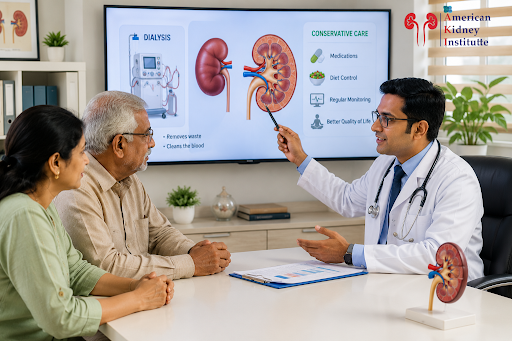
Everything You Should Know Before Starting Dialysis Kidney disease can be overwhelming, especially when someone hears the word dialysis for the first time. Many patients immediately believe that dialysis is the only treatment available or that starting dialysis means they have reached the end stage of kidney disease with no other choices. These thoughts often create fear, confusion, and anxiety for both patients and their families. The truth is that every kidney patient is different. The decision to start dialysis depends on several important factors, including kidney function, symptoms, overall health, age, lifestyle, and the patient’s personal preferences. In many situations, there are treatment options that may help delay dialysis or improve quality of life before dialysis becomes necessary. Understanding your treatment options is one of the most important steps in managing kidney disease. Whether you are experiencing high creatinine levels, chronic kidney disease (CKD), or declining kidney function, learning about dialysis and conservative kidney care can help you make informed decisions with confidence. At American Kidney Institute, we believe that patients should clearly understand every available option before making any treatment decision. Why Understanding Dialysis Is Important Many people think that once dialysis starts, there is no turning back. Others assume that every person with high creatinine must begin dialysis immediately. These are common misconceptions that can lead to unnecessary stress and fear. In reality, dialysis is a medical treatment that replaces some of the work normally performed by healthy kidneys. It helps remove waste products, excess water, and toxins from the blood when the kidneys can no longer do so effectively. However, deciding whether dialysis is needed is never based on a single blood test or creatinine value alone. Before recommending Dialysis in Vijayawada, a nephrologist carefully evaluates several important factors, including: Your kidney function over time and whether it is continuing to decline despite appropriate medical treatment and lifestyle changes. Symptoms such as severe tiredness, swelling in the legs or face, shortness of breath, persistent nausea, vomiting, loss of appetite, difficulty concentrating, or reduced urine output that may indicate the kidneys are no longer able to support the body’s needs. Blood test results including creatinine, eGFR, potassium levels, acid-base balance, hemoglobin, and other important indicators that help determine how well your kidneys are functioning. Your overall health condition, including heart health, diabetes, blood pressure, nutritional status, and other medical problems that may influence treatment decisions. Your personal goals, daily activities, family support, and quality of life, because every patient’s expectations and healthcare priorities are unique. These factors are evaluated together before making any recommendation. This comprehensive approach helps ensure that every patient receives the most appropriate treatment for their individual condition. What Is Dialysis? Dialysis is a life-saving treatment that helps perform some of the essential functions of healthy kidneys when they can no longer work effectively. Healthy kidneys continuously filter waste products, remove excess fluids, balance minerals such as potassium and sodium, regulate blood pressure, and help maintain the body’s overall chemical balance. When kidney function drops significantly, harmful toxins and excess fluid begin to accumulate in the bloodstream. Without treatment, these waste products can affect the heart, lungs, brain, and other organs, leading to serious health complications. Dialysis helps remove these toxins and extra fluids, allowing the body to function more normally. Many people believe dialysis cures kidney disease, but this is not true. Dialysis does not heal damaged kidneys. Instead, it supports the body by performing some of the kidneys’ filtering functions while helping patients live healthier and longer lives. Today, thousands of patients receiving Dialysis in Vijayawada continue to work, travel, care for their families, and enjoy an active lifestyle with proper medical guidance, regular follow-up, and healthy habits. Is Dialysis the Only Treatment for Kidney Disease? One of the biggest myths surrounding kidney disease is that dialysis is the only available treatment. In reality, treatment depends entirely on the stage of kidney disease and the patient’s overall condition. Many patients with early or moderate chronic kidney disease can successfully manage their condition for years through medications, blood pressure control, diabetes management, healthy eating habits, regular exercise, and routine follow-up with a nephrologist. These measures can slow the progression of kidney disease and reduce the risk of complications. For some elderly patients or individuals with multiple serious health conditions, another option called Conservative Kidney Care may also be considered. This approach focuses on controlling symptoms, improving comfort, maintaining nutrition, managing medications, and enhancing quality of life without immediately starting dialysis. Conservative care is not the same as refusing treatment. Instead, it is a carefully planned medical approach designed for selected patients based on their health status, life expectancy, and personal treatment goals. At American Kidney Institute, every patient is evaluated individually so that the treatment plan matches both their medical condition and their personal preferences. What Is Conservative Kidney Care? Conservative Kidney Care is a comprehensive treatment plan designed for patients who may not immediately benefit from dialysis or who choose a different treatment approach after discussing all available options with their nephrologist. Rather than focusing only on replacing kidney function through dialysis, conservative care aims to improve day-to-day health, reduce symptoms, and help patients maintain independence for as long as possible. This treatment approach may include: Careful use of medications to control blood pressure, diabetes, anemia, bone health, swelling, and other complications that commonly occur in chronic kidney disease while helping preserve remaining kidney function. Personalized dietary planning that limits excess salt, potassium, phosphorus, and fluid intake while ensuring patients continue receiving the nutrients needed to maintain energy levels and overall health. Regular monitoring of kidney function through blood tests, urine tests, blood pressure measurements, and physical examinations so that treatment can be adjusted whenever necessary. Symptom management that focuses on reducing fatigue, nausea, itching, swelling, breathing difficulties, sleep disturbances, and other symptoms that may affect daily living and overall comfort. Emotional support and family counseling that help patients understand their condition, participate in treatment decisions, and prepare for future healthcare

Translate »