How to Decide Whether Dialysis Is the Right Choice for Elderly Parents

How to Decide Whether Dialysis Is the Right Choice for Elderly Parents Watching an elderly parent struggle with kidney disease is one of the most emotional experiences a family can face. Many families feel confused when they hear that their loved one has reached advanced kidney disease and may need dialysis. Questions such as, “Will dialysis improve their life?”, “Will they become healthier?”, or “Are there other treatment options?” are very common. The truth is that there is no single answer that fits every patient. Every elderly person has different health conditions, different levels of strength, and different personal wishes. While dialysis can be life-saving for many people, it may not always be the best option for every older adult, especially those who are very frail or living with multiple medical problems. Understanding all available treatment options helps families make informed decisions with confidence instead of fear. Our goal is not only to help patients live longer but also to help them live with dignity, comfort, and the best possible quality of life. If you are searching for trusted guidance regarding Dialysis in Vijayawada, understanding the complete picture before making a decision is extremely important. Understanding Kidney Failure in Elderly Patients Our kidneys perform many essential functions every single day. They remove waste products, balance fluids, regulate blood pressure, maintain healthy electrolyte levels, and help produce hormones that support red blood cell production and bone health. As people age, kidney function naturally declines. However, diseases such as diabetes, high blood pressure, heart disease, repeated kidney infections, or long-standing kidney damage can cause the kidneys to fail much faster. When kidney function falls to a very low level, doctors diagnose End-Stage Kidney Disease (ESKD). At this stage, waste products and excess fluids begin to accumulate inside the body. Without proper treatment, these changes can lead to symptoms that affect daily life. Common symptoms of advanced kidney disease include: Persistent tiredness that does not improve with rest and makes routine daily activities difficult to perform. Swelling in the legs, feet, hands, or face because the kidneys are unable to remove excess fluid effectively. Loss of appetite that gradually results in poor nutrition, weakness, and unintentional weight loss. Nausea and repeated vomiting caused by the buildup of waste products in the bloodstream. Difficulty breathing due to excess fluid accumulation in the lungs or severe anemia. Severe itching that affects sleep and reduces overall quality of life. Muscle cramps, disturbed sleep, and difficulty concentrating because of electrolyte imbalance. Reduced urine output or, in some patients, normal urine despite significant kidney damage. Many elderly patients also have other health conditions such as heart failure, dementia, stroke, or severe arthritis. These conditions can influence whether dialysis is likely to improve their health or create additional physical and emotional challenges. What Is Dialysis? Dialysis is a medical treatment that performs some of the functions normally carried out by healthy kidneys. It removes waste products, excess water, and harmful toxins from the blood when the kidneys are no longer able to do so effectively. Dialysis is an important treatment for many patients and has helped millions of people worldwide live longer and healthier lives. However, dialysis is not a cure for kidney disease. Instead, it replaces part of the kidney’s function and often needs to be continued regularly. There are two main types of dialysis: Hemodialysis During hemodialysis, blood is removed from the body through a special access point, cleaned using a dialysis machine, and then returned to the body. This treatment usually takes several hours and is performed multiple times each week. Peritoneal Dialysis Peritoneal dialysis uses the lining of the abdomen as a natural filter. A special dialysis solution is introduced into the abdomen, where it absorbs waste products before being drained away. The most appropriate treatment depends on the patient’s overall health, kidney condition, lifestyle, and personal preferences. Families exploring Dialysis in Vijayawada should understand that dialysis decisions are based on much more than creatinine levels alone. Doctors evaluate the complete health condition of each patient before recommending treatment. Does Every Elderly Patient Need Dialysis? One of the biggest misconceptions is that every elderly patient with advanced kidney disease must immediately begin dialysis. In reality, the decision is much more complex. Doctors consider several medical, physical, emotional, and personal factors before recommending dialysis. Some elderly patients benefit greatly from dialysis and regain strength to enjoy daily life. Others, especially those who are extremely weak or suffering from multiple serious illnesses, may not experience the same benefits. The decision should never be based only on laboratory numbers. Instead, doctors evaluate the complete picture, including: The patient’s overall physical strength and ability to tolerate repeated dialysis sessions over many months or years. Existing medical conditions such as heart disease, advanced diabetes, dementia, severe lung disease, cancer, or previous strokes that may affect treatment outcomes. The patient’s ability to travel regularly for dialysis sessions without excessive physical exhaustion. Nutritional status, body weight, muscle strength, and overall recovery potential. The patient’s own wishes regarding treatment, independence, and quality of life. The level of family support available to assist with transportation, medications, nutrition, and ongoing care. Expected improvement in symptoms after dialysis compared with the possible physical and emotional burden of treatment. This comprehensive evaluation helps families make decisions that are personalized rather than based on fear or assumptions. Looking Beyond Creatinine Levels One of the most common questions families ask is: “The creatinine level is very high. Does that mean dialysis must start immediately?” The answer is not always. Creatinine is an important blood test that helps doctors estimate kidney function, but it is only one part of the overall assessment. Some patients with high creatinine levels remain relatively stable for a period of time, while others with lower creatinine values may develop serious symptoms that require urgent treatment. Doctors also assess several additional factors before making recommendations. These include: The severity of swelling caused by fluid retention throughout the body. Difficulty breathing resulting from excess fluid accumulation

Everything You Should Know Before Starting Dialysis

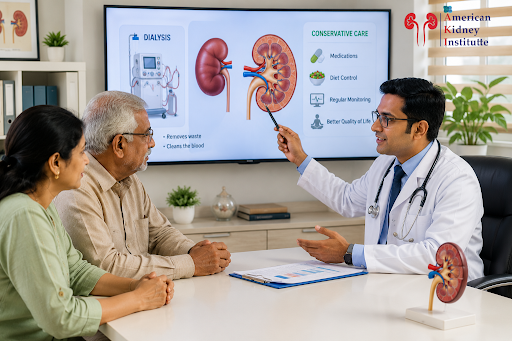
Everything You Should Know Before Starting Dialysis Kidney disease can be overwhelming, especially when someone hears the word dialysis for the first time. Many patients immediately believe that dialysis is the only treatment available or that starting dialysis means they have reached the end stage of kidney disease with no other choices. These thoughts often create fear, confusion, and anxiety for both patients and their families. The truth is that every kidney patient is different. The decision to start dialysis depends on several important factors, including kidney function, symptoms, overall health, age, lifestyle, and the patient’s personal preferences. In many situations, there are treatment options that may help delay dialysis or improve quality of life before dialysis becomes necessary. Understanding your treatment options is one of the most important steps in managing kidney disease. Whether you are experiencing high creatinine levels, chronic kidney disease (CKD), or declining kidney function, learning about dialysis and conservative kidney care can help you make informed decisions with confidence. At American Kidney Institute, we believe that patients should clearly understand every available option before making any treatment decision. Why Understanding Dialysis Is Important Many people think that once dialysis starts, there is no turning back. Others assume that every person with high creatinine must begin dialysis immediately. These are common misconceptions that can lead to unnecessary stress and fear. In reality, dialysis is a medical treatment that replaces some of the work normally performed by healthy kidneys. It helps remove waste products, excess water, and toxins from the blood when the kidneys can no longer do so effectively. However, deciding whether dialysis is needed is never based on a single blood test or creatinine value alone. Before recommending Dialysis in Vijayawada, a nephrologist carefully evaluates several important factors, including: Your kidney function over time and whether it is continuing to decline despite appropriate medical treatment and lifestyle changes. Symptoms such as severe tiredness, swelling in the legs or face, shortness of breath, persistent nausea, vomiting, loss of appetite, difficulty concentrating, or reduced urine output that may indicate the kidneys are no longer able to support the body’s needs. Blood test results including creatinine, eGFR, potassium levels, acid-base balance, hemoglobin, and other important indicators that help determine how well your kidneys are functioning. Your overall health condition, including heart health, diabetes, blood pressure, nutritional status, and other medical problems that may influence treatment decisions. Your personal goals, daily activities, family support, and quality of life, because every patient’s expectations and healthcare priorities are unique. These factors are evaluated together before making any recommendation. This comprehensive approach helps ensure that every patient receives the most appropriate treatment for their individual condition. What Is Dialysis? Dialysis is a life-saving treatment that helps perform some of the essential functions of healthy kidneys when they can no longer work effectively. Healthy kidneys continuously filter waste products, remove excess fluids, balance minerals such as potassium and sodium, regulate blood pressure, and help maintain the body’s overall chemical balance. When kidney function drops significantly, harmful toxins and excess fluid begin to accumulate in the bloodstream. Without treatment, these waste products can affect the heart, lungs, brain, and other organs, leading to serious health complications. Dialysis helps remove these toxins and extra fluids, allowing the body to function more normally. Many people believe dialysis cures kidney disease, but this is not true. Dialysis does not heal damaged kidneys. Instead, it supports the body by performing some of the kidneys’ filtering functions while helping patients live healthier and longer lives. Today, thousands of patients receiving Dialysis in Vijayawada continue to work, travel, care for their families, and enjoy an active lifestyle with proper medical guidance, regular follow-up, and healthy habits. Is Dialysis the Only Treatment for Kidney Disease? One of the biggest myths surrounding kidney disease is that dialysis is the only available treatment. In reality, treatment depends entirely on the stage of kidney disease and the patient’s overall condition. Many patients with early or moderate chronic kidney disease can successfully manage their condition for years through medications, blood pressure control, diabetes management, healthy eating habits, regular exercise, and routine follow-up with a nephrologist. These measures can slow the progression of kidney disease and reduce the risk of complications. For some elderly patients or individuals with multiple serious health conditions, another option called Conservative Kidney Care may also be considered. This approach focuses on controlling symptoms, improving comfort, maintaining nutrition, managing medications, and enhancing quality of life without immediately starting dialysis. Conservative care is not the same as refusing treatment. Instead, it is a carefully planned medical approach designed for selected patients based on their health status, life expectancy, and personal treatment goals. At American Kidney Institute, every patient is evaluated individually so that the treatment plan matches both their medical condition and their personal preferences. What Is Conservative Kidney Care? Conservative Kidney Care is a comprehensive treatment plan designed for patients who may not immediately benefit from dialysis or who choose a different treatment approach after discussing all available options with their nephrologist. Rather than focusing only on replacing kidney function through dialysis, conservative care aims to improve day-to-day health, reduce symptoms, and help patients maintain independence for as long as possible. This treatment approach may include: Careful use of medications to control blood pressure, diabetes, anemia, bone health, swelling, and other complications that commonly occur in chronic kidney disease while helping preserve remaining kidney function. Personalized dietary planning that limits excess salt, potassium, phosphorus, and fluid intake while ensuring patients continue receiving the nutrients needed to maintain energy levels and overall health. Regular monitoring of kidney function through blood tests, urine tests, blood pressure measurements, and physical examinations so that treatment can be adjusted whenever necessary. Symptom management that focuses on reducing fatigue, nausea, itching, swelling, breathing difficulties, sleep disturbances, and other symptoms that may affect daily living and overall comfort. Emotional support and family counseling that help patients understand their condition, participate in treatment decisions, and prepare for future healthcare

Chronic Kidney Disease Care

When Should You Consider a Kidney Transplant in Vijayawada

Introduction Your kidneys work every minute of the day to keep your body healthy. They remove waste products, maintain the balance of fluids, regulate blood pressure, produce hormones that support red blood cell formation, and help keep your bones strong. When the kidneys stop working properly, these essential functions become difficult, leading to serious health complications that affect almost every organ in the body. Many people with kidney disease continue to live normal lives through medications, dietary changes, and regular medical follow-ups. However, there comes a stage where these treatments are no longer enough. At that point, doctors may recommend a kidney transplant as the most effective long-term treatment for suitable patients. Understanding the right time to consider a Kidney Transplant in Vijayawada can help patients make informed decisions before complications become severe. Early evaluation provides better treatment options, improves overall health, and increases the chances of a successful transplant. At American Kidney Institute, every patient receives personalized care based on their medical condition, overall health, and long-term treatment goals. The focus is not only on replacing a failed kidney but also on helping patients regain a healthier and more active life. Understanding the Role of Your Kidneys Your kidneys are two bean-shaped organs located on either side of your spine, just below the rib cage. Although small in size, they perform several important tasks that are necessary for survival. Healthy kidneys continuously filter your blood and remove toxins through urine while maintaining the correct balance of minerals and fluids in your body. When kidney function declines gradually, waste products begin to accumulate in the bloodstream. This buildup affects multiple body systems and causes symptoms that become more noticeable as kidney disease progresses. Some of the important functions performed by healthy kidneys include: Filtering nearly 50 gallons of blood every day by removing harmful waste products while keeping essential nutrients in the body. This continuous filtration process is necessary to maintain overall health and prevent toxins from accumulating in the bloodstream. Maintaining the body’s fluid balance by regulating the amount of water and electrolytes such as sodium, potassium, and calcium. These minerals play a vital role in muscle function, heart rhythm, and nerve communication. Producing hormones that help control blood pressure, stimulate red blood cell production, and maintain healthy bones. Without these hormones, patients may develop anemia, uncontrolled hypertension, and weakened bones. Removing excess medications and harmful substances from the body while supporting the body’s natural chemical balance. This process helps every organ function efficiently throughout the day. When these functions begin to fail, the body cannot compensate for long, making timely medical care extremely important. What Is Kidney Failure? Kidney failure occurs when the kidneys lose most of their ability to filter waste and excess fluid from the blood. Doctors usually diagnose kidney failure when kidney function drops to around 15% or less of normal capacity. This condition is also called End-Stage Kidney Disease (ESKD) or End-Stage Renal Disease (ESRD). Kidney failure may develop gradually over several years because of chronic kidney disease or occur suddenly due to severe illness, infections, or injury. Chronic kidney disease is far more common and often progresses silently without obvious symptoms during its early stages. Once kidney failure develops, patients generally require either dialysis or a kidney transplant to survive. Common Causes of Kidney Failure Several medical conditions can permanently damage the kidneys over time. Understanding these causes helps people take preventive measures and seek treatment before irreversible damage occurs. Diabetes Diabetes is one of the leading causes of kidney failure worldwide. High blood sugar damages the tiny blood vessels inside the kidneys, reducing their ability to filter waste efficiently. Proper diabetes management significantly lowers the risk of kidney damage. High Blood Pressure Uncontrolled blood pressure places constant stress on kidney blood vessels. Over time, this damage reduces kidney function and may eventually lead to kidney failure if left untreated. Chronic Glomerulonephritis This condition involves inflammation of the kidney’s filtering units called glomeruli. Persistent inflammation gradually destroys healthy kidney tissue and reduces overall kidney function. Polycystic Kidney Disease This inherited disorder causes multiple fluid-filled cysts to grow inside the kidneys. As these cysts enlarge, they replace healthy kidney tissue and interfere with normal kidney function. Recurrent Kidney Infections Frequent kidney infections can leave permanent scars that gradually reduce the kidneys’ filtering ability over several years. Autoimmune Diseases Conditions such as lupus may cause the immune system to attack healthy kidney tissue, leading to chronic inflammation and progressive kidney damage. Signs That Your Kidneys May Be Failing Kidney disease often develops slowly, and many patients notice symptoms only after significant kidney damage has already occurred. Recognizing these warning signs early allows treatment to begin before complications become severe. Common symptoms include: Persistent tiredness and weakness that continue even after adequate rest because damaged kidneys cannot remove toxins effectively, leading to fatigue and reduced energy throughout the day. Swelling in the feet, ankles, legs, hands, or face due to fluid retention. As kidney function decreases, the body struggles to remove excess water, causing noticeable swelling. Changes in urination such as producing less urine, passing urine more frequently at night, foamy urine, blood in the urine, or difficulty urinating. These changes often indicate that the kidneys are no longer filtering properly. Loss of appetite, nausea, vomiting, and an unpleasant metallic taste in the mouth caused by the buildup of waste products in the bloodstream. Shortness of breath resulting from fluid accumulation in the lungs or anemia caused by reduced production of red blood cells. Difficulty concentrating, poor memory, and confusion because toxins that should normally be removed by the kidneys begin affecting brain function. Persistent itching across different parts of the body due to waste accumulation and mineral imbalance. These symptoms should never be ignored, especially by individuals with diabetes, hypertension, or a family history of kidney disease. When Should You Consider a Kidney Transplant? Many people believe a kidney transplant should only be considered after years of dialysis. In reality, doctors often recommend transplant

Translate »