- 0 Comments
- Uncategorized
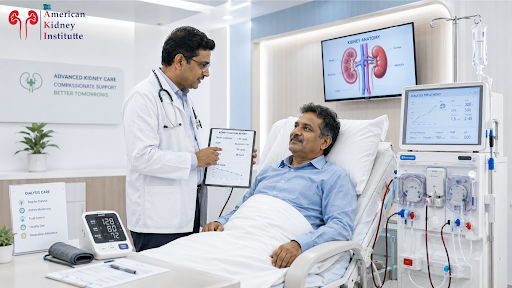
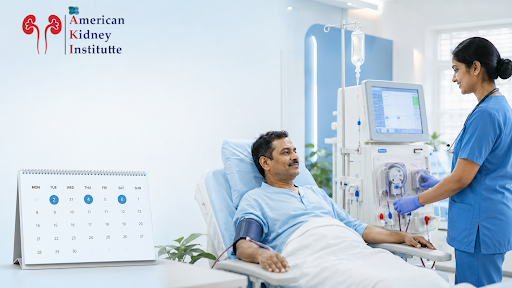
డయాలసిస్ చేయించుకునే ముందు తెలుసుకోవాల్సిన విషయాలు: రోగులు, కుటుంబ సభ్యులకు పూర్తి మార్గదర్శిని కిడ్నీలు మన శరీరంలోని వ్యర్థ పదార్థాలను తొలగించడం, అదనపు నీటిని బయటకు పంపించడం, రక్తపోటును నియంత్రించడంలో ముఖ్యమైన పాత్ర పోషిస్తాయి. కిడ్నీల పనితీరు తీవ్రంగా తగ్గినప్పుడు శరీరంలో వ్యర్థ పదార్థాలు, ద్రవాలు పేరుకుపోవచ్చు. ఇలాంటి పరిస్థితుల్లో వైద్యులు రోగి ఆరోగ్యాన్ని బట్టి డయాలసిస్ (Dialysis) చికిత్సను సూచించవచ్చు. డయాలసిస్ ప్రారంభించాలని వైద్యులు చెప్పినప్పుడు రోగులకు, కుటుంబ సభ్యులకు అనేక సందేహాలు రావడం సహజం. చికిత్సకు ఎలా సిద్ధం కావాలి? ప్రతి సెషన్కు వెళ్లేటప్పుడు ఏం తీసుకెళ్లాలి? డయాలసిస్ యాక్సెస్ను ఎలా సంరక్షించాలి? చికిత్స తీసుకుంటూనే రోజువారీ పనులు చేసుకోవచ్చా? ఈ ప్రశ్నలకు సమాధానాలు తెలుసుకోవడం ద్వారా డయాలసిస్ ప్రయాణాన్ని మరింత సులభంగా నిర్వహించుకోవచ్చు. విజయవాడలో కిడ్నీ చికిత్స కోసం సరైన మార్గదర్శకత్వం కోరుకునే వారు American Kidney Institute, భారతి నగర్లో నెఫ్రాలజీ వైద్యుల సలహా తీసుకోవచ్చు. డయాలసిస్ అంటే ఏమిటి? డయాలసిస్ అనేది కిడ్నీలు తగినంతగా పనిచేయనప్పుడు రక్తంలోని వ్యర్థ పదార్థాలను, అదనపు ద్రవాలను తొలగించడంలో సహాయపడే చికిత్స. ఇది కిడ్నీల సహజ పనుల్లో కొన్నింటిని భర్తీ చేస్తుంది. డయాలసిస్లో ప్రధానంగా రెండు రకాలు ఉన్నాయి: హీమోడయాలసిస్ (Hemodialysis) ఈ విధానంలో రక్తాన్ని శరీరం నుంచి ప్రత్యేక ఫిల్టర్ ఉన్న డయాలసిస్ యంత్రం ద్వారా పంపిస్తారు. ఫిల్టర్ రక్తంలోని వ్యర్థ పదార్థాలు, అదనపు ద్రవాలను తొలగించడంలో సహాయపడుతుంది. ఆ తర్వాత శుద్ధి చేసిన రక్తాన్ని తిరిగి శరీరంలోకి పంపిస్తారు. పెరిటోనియల్ డయాలసిస్ (Peritoneal Dialysis) ఈ విధానంలో పొత్తికడుపులోని పెరిటోనియం అనే పొరను సహజ ఫిల్టర్గా ఉపయోగిస్తారు. ప్రత్యేక డయాలసిస్ ద్రవం సహాయంతో వ్యర్థ పదార్థాలు తొలగించబడతాయి. ఈ విధానం కొంతమంది రోగులకు అనుకూలంగా ఉంటుంది. అయితే దీనికి అవసరమైన శిక్షణ, పరిశుభ్రత, వైద్య పర్యవేక్షణ తప్పనిసరి. ఏ విధమైన డయాలసిస్ అనుకూలమో రోగి కిడ్నీ పనితీరు, ఇతర ఆరోగ్య సమస్యలు, జీవనశైలి, చికిత్స అవసరాల ఆధారంగా నెఫ్రాలజిస్ట్ నిర్ణయిస్తారు. డయాలసిస్ ప్రారంభించే ముందు ఎలా సిద్ధం కావాలి? డయాలసిస్ ప్రారంభించే ముందు వైద్యుడితో సరైన ప్రణాళిక రూపొందించుకోవడం ముఖ్యం. చికిత్సకు ముందస్తు సిద్ధత వల్ల అనవసరమైన ఇబ్బందులను తగ్గించుకోవచ్చు. 1. మీ చికిత్స ప్రణాళికను అర్థం చేసుకోండి డయాలసిస్ ఎన్ని సార్లు చేయించుకోవాలి, ప్రతి సెషన్ ఎంతసేపు ఉంటుంది, ఏ రకమైన డయాలసిస్ అవసరం వంటి విషయాలను వైద్యుడిని అడిగి తెలుసుకోండి. రోగులందరికీ ఒకే చికిత్స షెడ్యూల్ ఉండదు. 2. అవసరమైన పరీక్షల రిపోర్టులను సిద్ధంగా ఉంచుకోండి కిడ్నీ పనితీరుకు సంబంధించిన రక్త పరీక్షలు, ఎలక్ట్రోలైట్ పరీక్షలు, ఇతర వైద్య నివేదికలు, ప్రస్తుతం ఉపయోగిస్తున్న మందుల వివరాలను భద్రపరచండి. ప్రతి వైద్య సందర్శనలో ఈ వివరాలు ఉపయోగపడతాయి. 3. డయాలసిస్ యాక్సెస్ గురించి తెలుసుకోండి హీమోడయాలసిస్ కోసం రక్తాన్ని బయటకు తీసుకెళ్లి తిరిగి శరీరంలోకి పంపేందుకు ప్రత్యేక యాక్సెస్ అవసరం. దీనికి AV ఫిస్టులా, గ్రాఫ్ట్ లేదా కాథెటర్ వంటి విధానాలను ఉపయోగించవచ్చు. AV ఫిస్టులా చేయాల్సి ఉంటే, దాని కోసం సరైన సమయంలో ప్రణాళిక రూపొందించుకోవడం ముఖ్యం. ఏ యాక్సెస్ అనుకూలమో వైద్యుడు నిర్ణయిస్తారు. 4. ఆహారం, నీటి పరిమితుల గురించి అడగండి డయాలసిస్ రోగులందరికీ ఒకే రకమైన ఆహార నియమాలు ఉండవు. రక్త పరీక్షల ఫలితాలు, మూత్రం ఎంత వస్తోంది, శరీరంలో ద్రవాలు ఎంత పేరుకుపోతున్నాయి వంటి అంశాల ఆధారంగా ఆహారం, నీటి పరిమితులు మారుతాయి. మీకు ఎంత నీరు అవసరం, పొటాషియం లేదా ఫాస్ఫరస్ అధికంగా ఉన్న ఆహారాలను ఎంతవరకు పరిమితం చేయాలి అనే విషయాలను వైద్యుడు లేదా కిడ్నీ డైటీషియన్ను అడగండి. డయాలసిస్ సెషన్కు వెళ్లేటప్పుడు ఏం చేయాలి? ప్రతి డయాలసిస్ సెషన్కు ముందు కొన్ని సాధారణ జాగ్రత్తలు తీసుకోవడం ఉపయోగకరం. మీ మందులు, వైద్య నివేదికలు, చికిత్సకు సంబంధించిన వివరాలు వెంట తీసుకెళ్లండి. ఇంట్లో కొలిచిన రక్తపోటు వివరాలు ఉంటే వైద్య బృందానికి తెలియజేయండి. సెషన్కు ముందు శ్వాస తీసుకోవడంలో ఇబ్బంది, జ్వరం, ఛాతీ నొప్పి లేదా ఇతర కొత్త లక్షణాలు ఉంటే సిబ్బందికి చెప్పండి. డయాలసిస్ బృందం సూచించిన ఆహార నియమాలను పాటించండి. సెషన్ను స్వయంగా రద్దు చేయడం లేదా ఆలస్యం చేయడం కాకుండా, సమయానికి హాజరుకావడానికి ప్రయత్నించండి. డయాలసిస్కు ముందు ఎంత ఆహారం తీసుకోవాలి, మందులను ఎప్పుడు ఉపయోగించాలి అనే విషయాల్లో మీ చికిత్స బృందం సూచనలను అనుసరించండి. డయాలసిస్ యాక్సెస్ను ఎలా సంరక్షించాలి? హీమోడయాలసిస్ సురక్షితంగా జరగడానికి యాక్సెస్ సంరక్షణ చాలా ముఖ్యం. AV ఫిస్టులా లేదా గ్రాఫ్ట్ ఉన్నవారు: యాక్సెస్ ఉన్న చేతిపై అనవసరమైన ఒత్తిడి పడకుండా జాగ్రత్తపడండి. వైద్యుడు సూచించినట్లయితే ఫిస్టులాలో రక్త ప్రవాహం ఉందో లేదో క్రమం తప్పకుండా పరిశీలించండి. ఆ చేతిపై రక్తపోటు కొలవడం లేదా రక్తం తీసుకోవడం వంటి చర్యలకు ముందు వైద్య సిబ్బందికి ఫిస్టులా గురించి తెలియజేయండి. చేతిలో వాపు, ఎర్రదనం, నొప్పి, వేడి లేదా ఫిస్టులా స్పందనలో మార్పు కనిపిస్తే వెంటనే డయాలసిస్ బృందాన్ని సంప్రదించండి. కాథెటర్ ఉన్నవారు: కాథెటర్ ప్రాంతాన్ని శుభ్రంగా, పొడిగా ఉంచేందుకు వైద్య బృందం సూచనలు పాటించండి. కాథెటర్ డ్రెస్సింగ్ను మీరే తొలగించడం లేదా కనెక్షన్లను తెరవడం చేయకండి. జ్వరం, చలి, కాథెటర్ ప్రాంతంలో ఎర్రదనం, నొప్పి లేదా ద్రవం కారడం కనిపిస్తే వెంటనే వైద్య సహాయం పొందండి. యాక్సెస్ను సరిగ్గా సంరక్షించడం ఇన్ఫెక్షన్లు, చికిత్సకు అంతరాయాలు కలిగించే సమస్యల ప్రమాదాన్ని తగ్గించడంలో సహాయపడుతుంది. డయాలసిస్ తీసుకుంటూ సాధారణ జీవితాన్ని కొనసాగించవచ్చా? చాలా మంది రోగులు సరైన చికిత్స, ఆహార నియమాలు, వైద్య పర్యవేక్షణతో కుటుంబంతో సమయం గడపడం, తగిన పనులు చేయడం, తమ దైనందిన కార్యకలాపాలను కొనసాగించడం సాధ్యపడుతుంది. అయితే ప్రతి ఒక్కరి ఆరోగ్య పరిస్థితి వేర్వేరుగా ఉంటుంది. అలసట, రక్తహీనత, రక్తపోటు మార్పులు, ఇతర అనారోగ్య సమస్యలు రోజువారీ జీవితాన్ని ప్రభావితం చేయవచ్చు. జీవనశైలిని మెరుగ్గా నిర్వహించుకోవడానికి: వైద్యుడు సూచించిన డయాలసిస్ షెడ్యూల్ను పాటించండి. అనుమతించిన మేరకు తేలికపాటి శారీరక కార్యకలాపాలు చేయండి. తగినంత విశ్రాంతి తీసుకోండి. మందులను వైద్యుడి సూచనల ప్రకారం మాత్రమే వాడండి. కుటుంబ సభ్యులతో కలిసి చికిత్స షెడ్యూల్, ఆసుపత్రి సందర్శనలను ముందుగానే ప్రణాళిక చేసుకోండి. మానసిక ఒత్తిడి లేదా నిద్ర సమస్యలు ఉంటే వైద్యుడితో చర్చించండి. డయాలసిస్ తీసుకుంటున్నారని మాత్రమే అన్ని సాధారణ కార్యకలాపాలను పూర్తిగా మానేయాల్సిన అవసరం లేదు. మీ ఆరోగ్యానికి అనుగుణంగా ఏ పనులు చేయవచ్చో వైద్యుడి సలహా తీసుకోండి. డయాలసిస్ సమయంలో ఎప్పుడు వెంటనే వైద్య సహాయం తీసుకోవాలి? కొన్ని లక్షణాలు తీవ్రమైన సమస్యకు సంకేతాలు కావచ్చు. వాటిని నిర్లక్ష్యం చేయకూడదు. తీవ్రమైన శ్వాస తీసుకోవడంలో ఇబ్బంది ఛాతీ నొప్పి స్పృహ కోల్పోవడం లేదా తీవ్రమైన గందరగోళం ఆగని రక్తస్రావం జ్వరంతో పాటు చలి లేదా ఇన్ఫెక్షన్ అనుమానం ఫిస్టులా స్పందన అకస్మాత్తుగా లేకపోవడం లేదా యాక్సెస్లో తీవ్రమైన మార్పులు తీవ్రమైన లక్షణాలు ఉంటే వెంటనే అత్యవసర వైద్య సహాయం పొందండి. తదుపరి డయాలసిస్ సెషన్ వరకు వేచి ఉండకండి. విజయవాడలో డయాలసిస్ చికిత్స కోసం ఎక్కడ సంప్రదించాలి? డయాలసిస్ చికిత్స కోసం ఆసుపత్రిని ఎంపిక చేసేటప్పుడు చికిత్స అందుబాటు మాత్రమే కాకుండా, నెఫ్రాలజీ పర్యవేక్షణ, డయాలసిస్ యాక్సెస్ సంరక్షణ, రక్త పరీక్షల పర్యవేక్షణ, ఇన్ఫెక్షన్ నియంత్రణ, ఆహార మార్గదర్శకత్వం వంటి అంశాలను కూడా పరిగణనలోకి తీసుకోవాలి. American Kidney Institute, భారతి నగర్, విజయవాడలో కిడ్నీ సంబంధిత సమస్యల కోసం వైద్య మూల్యాంకనం, నెఫ్రాలజీ సంప్రదింపులు మరియు డయాలసిస్ చికిత్సకు సంబంధించిన మార్గదర్శకత్వం కోసం సంప్రదించవచ్చు. డయాలసిస్ అవసరం ఉందా, ఏ విధమైన చికిత్స అనుకూలం, ఎంత తరచుగా చికిత్స తీసుకోవాలి అనే నిర్ణయాలను రోగి ఆరోగ్య పరిస్థితిని పరిశీలించిన తర్వాత వైద్యులు తీసుకుంటారు. కిడ్నీ పనితీరు తగ్గినట్లు తెలిసిన వెంటనే సరైన వైద్య సలహా తీసుకోవడం, చికిత్స ప్రణాళికను అర్థం చేసుకోవడం, క్రమం తప్పకుండా పర్యవేక్షణ పొందడం రోగి ఆరోగ్య నిర్వహణలో ముఖ్యమైనవి. తరచుగా అడిగే ప్రశ్నలు (FAQs) 1. డయాలసిస్ ఎప్పుడు అవసరం అవుతుంది? కిడ్నీలు శరీరంలోని వ్యర్థ పదార్థాలు, అదనపు ద్రవాలను తగినంతగా తొలగించలేని స్థితిలో డయాలసిస్ అవసరం కావచ్చు. ఈ నిర్ణయం కేవలం క్రియాటినిన్ స్థాయిపై కాకుండా లక్షణాలు, రక్త పరీక్షలు, ద్రవాల సమతుల్యత, మొత్తం ఆరోగ్య పరిస్థితి ఆధారంగా తీసుకుంటారు. 2. డయాలసిస్ ప్రారంభించే ముందు ఫిస్టులా తప్పనిసరిగా చేయించుకోవాలా? ప్రతి రోగికి ఒకే విధమైన యాక్సెస్ అవసరం ఉండదు. దీర్ఘకాలిక హీమోడయాలసిస్ అవసరమయ్యే కొంతమందికి AV ఫిస్టులా అనుకూలంగా ఉంటుంది. ఇతర సందర్భాల్లో గ్రాఫ్ట్ లేదా కాథెటర్ అవసరమవచ్చు. మీకు ఏది సరైనదో వైద్యుడు నిర్ణయిస్తారు. 3. డయాలసిస్ సెషన్ను మిస్ అయితే ఏమవుతుంది? సెషన్ మిస్ కావడం వల్ల శరీరంలో వ్యర్థ పదార్థాలు, అదనపు ద్రవాలు లేదా పొటాషియం పేరుకుపోయే ప్రమాదం ఉంది. ఇది కొంతమందిలో తీవ్రమైన సమస్యలకు దారితీయవచ్చు. సెషన్కు హాజరుకాలేని పరిస్థితి వస్తే వెంటనే మీ డయాలసిస్ బృందాన్ని సంప్రదించండి. 4. డయాలసిస్ తీసుకునేవారు ఎంత నీరు తాగవచ్చు? అందరికీ ఒకే పరిమాణం సరిపోదు. మూత్రం ఎంత వస్తోంది, శరీరంలో వాపు ఉందా, గుండె పరిస్థితి, రక్త పరీక్షలు, డయాలసిస్ షెడ్యూల్ వంటి అంశాల ఆధారంగా నీటి పరిమితి నిర్ణయించబడుతుంది. మీ వైద్యుడు సూచించిన పరిమితిని పాటించండి. 5. డయాలసిస్ తీసుకునేవారు పని చేయవచ్చా? చాలా మంది రోగులు తమ ఆరోగ్య పరిస్థితికి అనుగుణంగా పని లేదా ఇతర రోజువారీ కార్యకలాపాలను కొనసాగించగలరు. అయితే పని సమయం, అలసట, చికిత్స షెడ్యూల్, ఇతర అనారోగ్య సమస్యలను పరిగణనలోకి తీసుకొని వైద్యుడితో ప్రణాళిక రూపొందించుకోవాలి. 6. విజయవాడలో డయాలసిస్ చికిత్స కోసం ఎవరిని సంప్రదించాలి? కిడ్నీ పనితీరు తగ్గినప్పుడు లేదా డయాలసిస్ అవసరం గురించి సందేహాలు ఉన్నప్పుడు