Chronic Kidney Disease Care

When Should You Consider a Kidney Transplant in Vijayawada

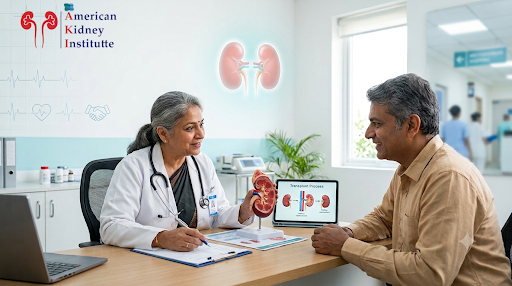
Introduction Your kidneys work every minute of the day to keep your body healthy. They remove waste products, maintain the balance of fluids, regulate blood pressure, produce hormones that support red blood cell formation, and help keep your bones strong. When the kidneys stop working properly, these essential functions become difficult, leading to serious health complications that affect almost every organ in the body. Many people with kidney disease continue to live normal lives through medications, dietary changes, and regular medical follow-ups. However, there comes a stage where these treatments are no longer enough. At that point, doctors may recommend a kidney transplant as the most effective long-term treatment for suitable patients. Understanding the right time to consider a Kidney Transplant in Vijayawada can help patients make informed decisions before complications become severe. Early evaluation provides better treatment options, improves overall health, and increases the chances of a successful transplant. At American Kidney Institute, every patient receives personalized care based on their medical condition, overall health, and long-term treatment goals. The focus is not only on replacing a failed kidney but also on helping patients regain a healthier and more active life. Understanding the Role of Your Kidneys Your kidneys are two bean-shaped organs located on either side of your spine, just below the rib cage. Although small in size, they perform several important tasks that are necessary for survival. Healthy kidneys continuously filter your blood and remove toxins through urine while maintaining the correct balance of minerals and fluids in your body. When kidney function declines gradually, waste products begin to accumulate in the bloodstream. This buildup affects multiple body systems and causes symptoms that become more noticeable as kidney disease progresses. Some of the important functions performed by healthy kidneys include: Filtering nearly 50 gallons of blood every day by removing harmful waste products while keeping essential nutrients in the body. This continuous filtration process is necessary to maintain overall health and prevent toxins from accumulating in the bloodstream. Maintaining the body’s fluid balance by regulating the amount of water and electrolytes such as sodium, potassium, and calcium. These minerals play a vital role in muscle function, heart rhythm, and nerve communication. Producing hormones that help control blood pressure, stimulate red blood cell production, and maintain healthy bones. Without these hormones, patients may develop anemia, uncontrolled hypertension, and weakened bones. Removing excess medications and harmful substances from the body while supporting the body’s natural chemical balance. This process helps every organ function efficiently throughout the day. When these functions begin to fail, the body cannot compensate for long, making timely medical care extremely important. What Is Kidney Failure? Kidney failure occurs when the kidneys lose most of their ability to filter waste and excess fluid from the blood. Doctors usually diagnose kidney failure when kidney function drops to around 15% or less of normal capacity. This condition is also called End-Stage Kidney Disease (ESKD) or End-Stage Renal Disease (ESRD). Kidney failure may develop gradually over several years because of chronic kidney disease or occur suddenly due to severe illness, infections, or injury. Chronic kidney disease is far more common and often progresses silently without obvious symptoms during its early stages. Once kidney failure develops, patients generally require either dialysis or a kidney transplant to survive. Common Causes of Kidney Failure Several medical conditions can permanently damage the kidneys over time. Understanding these causes helps people take preventive measures and seek treatment before irreversible damage occurs. Diabetes Diabetes is one of the leading causes of kidney failure worldwide. High blood sugar damages the tiny blood vessels inside the kidneys, reducing their ability to filter waste efficiently. Proper diabetes management significantly lowers the risk of kidney damage. High Blood Pressure Uncontrolled blood pressure places constant stress on kidney blood vessels. Over time, this damage reduces kidney function and may eventually lead to kidney failure if left untreated. Chronic Glomerulonephritis This condition involves inflammation of the kidney’s filtering units called glomeruli. Persistent inflammation gradually destroys healthy kidney tissue and reduces overall kidney function. Polycystic Kidney Disease This inherited disorder causes multiple fluid-filled cysts to grow inside the kidneys. As these cysts enlarge, they replace healthy kidney tissue and interfere with normal kidney function. Recurrent Kidney Infections Frequent kidney infections can leave permanent scars that gradually reduce the kidneys’ filtering ability over several years. Autoimmune Diseases Conditions such as lupus may cause the immune system to attack healthy kidney tissue, leading to chronic inflammation and progressive kidney damage. Signs That Your Kidneys May Be Failing Kidney disease often develops slowly, and many patients notice symptoms only after significant kidney damage has already occurred. Recognizing these warning signs early allows treatment to begin before complications become severe. Common symptoms include: Persistent tiredness and weakness that continue even after adequate rest because damaged kidneys cannot remove toxins effectively, leading to fatigue and reduced energy throughout the day. Swelling in the feet, ankles, legs, hands, or face due to fluid retention. As kidney function decreases, the body struggles to remove excess water, causing noticeable swelling. Changes in urination such as producing less urine, passing urine more frequently at night, foamy urine, blood in the urine, or difficulty urinating. These changes often indicate that the kidneys are no longer filtering properly. Loss of appetite, nausea, vomiting, and an unpleasant metallic taste in the mouth caused by the buildup of waste products in the bloodstream. Shortness of breath resulting from fluid accumulation in the lungs or anemia caused by reduced production of red blood cells. Difficulty concentrating, poor memory, and confusion because toxins that should normally be removed by the kidneys begin affecting brain function. Persistent itching across different parts of the body due to waste accumulation and mineral imbalance. These symptoms should never be ignored, especially by individuals with diabetes, hypertension, or a family history of kidney disease. When Should You Consider a Kidney Transplant? Many people believe a kidney transplant should only be considered after years of dialysis. In reality, doctors often recommend transplant


Internal Medicine Specialists

How the Best Nephrologist in Vijayawada Helps Protect Your Kidney Health

How the Best Nephrologist in Vijayawada Helps Protect Your Kidney Health Introduction Your kidneys work around the clock to keep your body healthy. Every day, they filter waste products from the blood, regulate fluid balance, control blood pressure, maintain electrolyte levels, and support several important bodily functions. Despite their importance, kidney health is often overlooked until a serious problem develops. One of the biggest challenges with kidney disease is that it can progress silently. Many patients experience no noticeable symptoms during the early stages. By the time symptoms become obvious, significant kidney damage may have already occurred. This is why consulting the Best Nephrologist in Vijayawada at the right time can make a significant difference in protecting kidney function and preventing complications. Conditions such as diabetes, high blood pressure, obesity, recurrent urinary infections, kidney stones, autoimmune disorders, and family history of kidney disease can increase the risk of kidney problems. Early diagnosis, proper monitoring, and specialized nephrology care are essential for maintaining long-term kidney health. At americankidneyinstitute, patients receive comprehensive kidney care under the guidance of Dr. Sai Swapna Atluri, a nephrologist and transplant physician dedicated to helping individuals prevent, manage, and treat kidney diseases effectively. Understanding how a nephrologist helps protect kidney health can empower patients to seek timely care and make informed healthcare decisions. Why Kidney Health Matters More Than You Think Many people are aware of the importance of heart health and blood sugar control, but kidney health often receives less attention. The kidneys play a central role in maintaining the body’s internal balance. When kidney function declines, waste products and excess fluids begin to accumulate in the bloodstream, affecting multiple organs and systems. Poor kidney health can contribute to heart disease, uncontrolled blood pressure, anemia, bone disorders, nerve damage, and weakened immunity. In advanced cases, kidney failure may require dialysis or kidney transplantation. The good news is that many kidney diseases can be detected and managed early. With regular health screenings and guidance from the Best Nephrologist in Vijayawada, patients can identify risk factors, monitor kidney function, and take proactive steps to preserve kidney health. How the Best Nephrologist in Vijayawada Diagnoses Kidney Problems Early One of the most important ways a nephrologist helps protect kidney health is through early diagnosis. Many kidney diseases develop gradually and do not produce noticeable symptoms during their initial stages. Regular health check-ups and kidney screenings can help identify problems before permanent damage occurs. Dr. Sai Swapna Atluri focuses on evaluating kidney health through a combination of medical history, physical examination, laboratory investigations, and imaging studies. Early detection allows treatment to begin before kidney function declines significantly. Common Signs That May Indicate Kidney Problems Persistent swelling in the feet, ankles, hands, or face that may indicate fluid retention caused by reduced kidney function. High blood pressure that remains uncontrolled despite medications and lifestyle modifications. Changes in urination patterns, including frequent urination, reduced urine output, or nighttime urination. Foamy urine that may suggest protein leakage from damaged kidneys. Blood in the urine that requires immediate medical evaluation. Unexplained fatigue, weakness, and reduced energy levels due to impaired kidney function. Recurrent kidney stones or urinary tract infections. Elevated creatinine levels detected during routine blood tests. When these warning signs are identified early, treatment can be initiated promptly, helping patients avoid severe complications and long-term kidney damage. Understanding the Role of a Nephrologist in Kidney Care A nephrologist is a specialist who focuses on diagnosing, treating, and preventing diseases that affect the kidneys. While general physicians can manage many common health conditions, kidney disorders often require specialized expertise because of their complexity and long-term implications. The Best Nephrologist in Vijayawada helps patients manage a wide range of kidney-related conditions, including chronic kidney disease, acute kidney injury, hypertension-related kidney damage, diabetic kidney disease, electrolyte imbalances, kidney stones, and kidney failure. Dr. Sai Swapna Atluri works closely with patients to understand the root cause of kidney problems and develop personalized treatment plans that address both current symptoms and future health risks. This patient-centered approach allows individuals to maintain better kidney function and overall health. How the Best Nephrologist in Vijayawada Helps Manage Chronic Kidney Disease Chronic Kidney Disease (CKD) is one of the most common kidney disorders worldwide. It occurs when kidney function gradually declines over time, often due to diabetes, hypertension, or other underlying medical conditions. One of the primary goals of nephrology care is slowing the progression of CKD. Although chronic kidney disease cannot always be reversed, proper management can help preserve kidney function and reduce the risk of kidney failure. Key Strategies Used in CKD Management Regular monitoring of kidney function through blood and urine tests to track disease progression and treatment effectiveness. Blood pressure management to reduce stress on kidney blood vessels and slow further damage. Diabetes control through medication adjustments, dietary guidance, and regular monitoring. Nutritional counseling to support kidney health and reduce unnecessary strain on the kidneys. Medication management to prevent complications and optimize kidney function. Ongoing patient education regarding lifestyle modifications and preventive care. By working closely with the Best Nephrologist in Vijayawada, patients with CKD can maintain a better quality of life and improve long-term health outcomes. Protecting Kidney Health in Patients with Diabetes Diabetes is one of the leading causes of kidney disease worldwide. Elevated blood sugar levels can damage the tiny blood vessels within the kidneys, reducing their ability to filter waste effectively. Diabetic kidney disease often develops gradually and may remain undetected until significant damage has occurred. This makes routine kidney screening especially important for individuals living with diabetes. Dr. Sai Swapna Atluri helps diabetic patients protect their kidney health through early detection, ongoing monitoring, and personalized treatment plans. By managing blood sugar levels effectively and addressing kidney-related risk factors, patients can significantly reduce the likelihood of developing advanced kidney disease. Why Diabetic Patients Need Regular Kidney Monitoring Early kidney damage often produces no symptoms. Kidney disease can progress silently for years. Timely treatment can slow disease progression. Proper management reduces the risk

general medicine consultation in american kidney institution

Understanding Fever, Fatigue, and Frequent Infections

Understanding Fever, Fatigue, and Frequent Infections Our body constantly gives signals whenever something is not functioning properly. Sometimes these signals appear in the form of fever, continuous tiredness, body weakness, or repeated infections. Many people ignore these symptoms because they believe stress, weather changes, or lack of sleep are the only reasons behind them. However, when fever, fatigue, and infections occur repeatedly or continue for a long time, they may indicate underlying health conditions that require proper medical attention. Health problems that seem simple in the beginning can sometimes become more serious if ignored for too long. Fever may not always be just a seasonal illness. Continuous tiredness may not always be because of work pressure. Frequent infections may not simply be caused by changing weather conditions. These symptoms can be connected to immunity issues, nutritional deficiencies, chronic diseases, infections, or metabolic disorders affecting the body internally. Understanding these warning signs early helps prevent complications and improves overall health outcomes. Consulting the Best General Physician in Vijayawada at the right time can help identify the actual reason behind these symptoms and ensure proper diagnosis and treatment before the condition becomes severe. At American Kidney Institute, we believe that every symptom deserves careful attention because early diagnosis plays a major role in protecting long-term health and improving quality of life. Why Fever Should Never Be Ignored Fever is one of the body’s natural defense mechanisms. It usually occurs when the immune system responds to infections caused by bacteria, viruses, or other harmful organisms. A temporary mild fever may not always be dangerous, but recurrent fever, prolonged fever, or high fever should never be ignored. Many people take self-medication repeatedly without identifying the real cause of fever. This approach may temporarily reduce body temperature but can delay proper treatment and allow the underlying disease to progress silently. Fever can sometimes be linked to viral infections, dengue, typhoid, urinary tract infections, respiratory infections, autoimmune disorders, or even chronic inflammatory conditions. Symptoms that may accompany fever include: Body pain, chills, and severe weakness that can interfere with daily activities and indicate ongoing infection or inflammation within the body. Loss of appetite and dehydration which may affect energy levels and slow down the recovery process if proper care is not taken. Headache, sore throat, cough, or breathing discomfort that may point toward respiratory or viral infections requiring medical evaluation. Persistent fever lasting for several days despite medication, which can sometimes signal deeper medical problems needing laboratory investigations. Night sweats, unexplained weight loss, or continuous tiredness which should always be evaluated carefully to rule out chronic illnesses. Consulting the Best General Physician in Vijayawada helps patients receive accurate diagnosis instead of depending only on temporary symptom relief. Understanding Fatigue and Constant Tiredness Fatigue is more than simply feeling tired after a busy day. It is a persistent feeling of weakness, exhaustion, lack of energy, and reduced physical or mental strength that does not improve completely even after rest. Many people continue their routine while ignoring chronic fatigue, assuming it is caused by stress or workload. However, long-term fatigue may be associated with several underlying health conditions including anemia, thyroid disorders, diabetes, vitamin deficiencies, infections, sleep disorders, kidney problems, liver diseases, hormonal imbalance, depression, or chronic inflammatory conditions. The body requires proper nutrition, oxygen supply, hydration, and metabolic balance to maintain energy levels. When any of these systems are disturbed, fatigue becomes one of the earliest warning signs. Common symptoms associated with fatigue include: Difficulty concentrating during work or studies because of reduced mental alertness and low physical energy levels throughout the day. Muscle weakness, body heaviness, and lack of motivation that affect routine activities and productivity. Frequent headaches, dizziness, or feeling exhausted even after adequate sleep which may indicate nutritional or hormonal imbalance. Breathlessness during mild physical activity that may sometimes point toward anemia, heart conditions, or respiratory disorders. Mood changes, irritability, and emotional stress that often develop when physical exhaustion continues for long periods. The Best General Physician in Vijayawada carefully evaluates fatigue symptoms through medical history, physical examination, and laboratory tests to identify the exact cause instead of simply treating surface-level symptoms. Why Frequent Infections May Indicate Weak Immunity The immune system protects the body from harmful microorganisms. When immunity becomes weak, the body becomes more vulnerable to repeated infections affecting different organs and systems. People who experience recurrent throat infections, cough, urinary infections, skin infections, fever episodes, or digestive infections should not ignore these symptoms. Frequent infections may sometimes indicate diabetes, nutritional deficiencies, autoimmune diseases, chronic stress, poor sleep quality, or weakened immune function. Several lifestyle habits can negatively affect immunity, including poor diet, smoking, alcohol consumption, lack of exercise, excessive stress, and irregular sleep patterns. Certain chronic diseases can also reduce the body’s ability to fight infections effectively. Warning signs of poor immunity include: Recurrent fever and viral infections that return repeatedly despite treatment and adequate rest. Slow wound healing and prolonged recovery from common illnesses due to weakened immune response. Frequent cough, throat pain, or respiratory infections especially during seasonal changes or exposure to crowded environments. Continuous digestive problems, stomach infections, or unexplained weakness that may indicate poor overall immunity. Repeated urinary tract infections that require detailed medical evaluation to identify underlying causes. Seeking timely consultation from the Best General Physician in Vijayawada helps prevent repeated illness episodes and supports long-term immune health. Common Causes Behind Fever, Fatigue, and Frequent Infections These symptoms often occur together because multiple health conditions can affect the body simultaneously. Understanding the possible causes helps patients realize why proper diagnosis is important instead of relying on self-treatment. Some common medical conditions associated with these symptoms include: Viral and bacterial infections that can trigger fever, weakness, inflammation, and temporary reduction in immunity levels. Diabetes mellitus which may weaken immunity, delay healing, increase infection risk, and cause fatigue due to unstable blood sugar levels. Anemia caused by iron deficiency or nutritional problems leading to reduced oxygen supply throughout the body and continuous tiredness. Thyroid disorders that affect

nephrology consultantation

Complete Guide to Finding the Best Urologist in Vijayawada

Complete Guide to Finding the Best Urologist in Vijayawada Your urinary system plays a major role in maintaining your overall health. From filtering waste and balancing fluids to helping your body remove toxins naturally, every organ in the urinary tract works together to keep you healthy and active. When problems affect the kidneys, bladder, ureters, prostate, or urinary tract, it can impact your comfort, confidence, and quality of life. Many people ignore early symptoms such as burning urination, lower abdominal pain, frequent urination, blood in urine, or difficulty passing urine because they believe these problems will disappear on their own. However, untreated urological conditions can become serious and may lead to long-term complications if proper treatment is delayed. Finding the Best Urologist in Vijayawada is one of the most important decisions for patients who want expert diagnosis, advanced treatment, and compassionate care for urinary and kidney-related conditions. A skilled urologist not only treats symptoms but also identifies the root cause of the problem and creates a personalized treatment plan based on the patient’s age, health condition, lifestyle, and medical history. At American Kidney Institute, we believe that every patient deserves accurate diagnosis, advanced medical technology, and supportive treatment throughout their healthcare journey. Our focus is on helping patients understand their condition clearly so they can make informed decisions about their treatment and recovery. Understanding the Role of a Urologist A urologist is a medical specialist who diagnoses and treats diseases related to the urinary tract and male reproductive system. Urologists manage conditions affecting both men and women, including kidney stones, urinary infections, bladder disorders, prostate enlargement, kidney diseases, urinary incontinence, male infertility, and cancers involving the urinary tract. Many people think urologists only treat kidney stones, but their expertise extends far beyond that. Urological health is connected to multiple body systems, which means even small symptoms can sometimes indicate larger underlying issues. A qualified urologist carefully evaluates symptoms, recommends appropriate diagnostic tests, and provides treatments ranging from medications and lifestyle changes to minimally invasive surgeries and advanced laser procedures. Choosing the Best Urologist in Vijayawada can make a significant difference in early detection, faster recovery, and successful long-term treatment outcomes. Modern urology focuses not only on treating diseases but also on improving the patient’s comfort, quality of life, and overall wellness. Common Symptoms That Should Never Be Ignored Many urological conditions begin with mild symptoms that gradually worsen over time. People often delay medical consultation because of embarrassment, fear, or lack of awareness. However, early diagnosis is one of the best ways to prevent complications. Some symptoms that require immediate medical attention include: Frequent urination, especially during nighttime, which may indicate bladder issues, prostate enlargement, diabetes-related complications, or urinary infections affecting the urinary tract. Burning sensation while passing urine that may occur because of urinary tract infections, bladder inflammation, kidney infections, or sexually transmitted diseases requiring proper medical diagnosis. Blood in urine, even if seen only once, which can sometimes be associated with kidney stones, urinary infections, kidney disease, or more serious underlying conditions requiring urgent evaluation. Severe pain in the lower abdomen, side, or back that may signal kidney stones, urinary blockage, or infections affecting the kidneys and urinary tract. Difficulty in controlling urine flow or accidental urine leakage that can affect daily activities, emotional well-being, and confidence if left untreated. Reduced urine flow, interrupted urination, or difficulty starting urination which may indicate prostate enlargement or urinary obstruction. Swelling in legs, fatigue, or unexplained weakness that may sometimes be linked to kidney dysfunction and poor urinary system health. Consulting the Best Urologist in Vijayawada at the right time can help identify these conditions early and prevent further complications through timely medical intervention. Importance of Early Diagnosis in Urological Conditions One of the biggest mistakes patients make is waiting too long before seeking medical care. Urological disorders can progress silently, especially kidney diseases, bladder disorders, and prostate conditions. Early diagnosis allows doctors to start treatment before the disease affects kidney function or causes permanent complications. Advanced diagnostic methods available today help doctors identify the exact cause of symptoms with greater accuracy. Investigations such as ultrasound scans, urine tests, blood tests, CT scans, MRI scans, uroflowmetry, cystoscopy, and kidney function tests provide detailed insights into urinary system health. At American Kidney Institute, we focus on precise diagnosis because understanding the exact problem is the first step toward successful treatment. Patients often feel relieved when they receive clear explanations about their condition and understand the treatment options available for recovery. Kidney Stones and Why Expert Treatment Matters Kidney stones are among the most common urological problems affecting people of all age groups. These hard mineral deposits form inside the kidneys and can cause severe pain when they move through the urinary tract. Dehydration, poor dietary habits, high salt intake, obesity, genetic factors, and certain medical conditions can increase the risk of kidney stone formation. Symptoms of kidney stones may include intense pain in the side or lower abdomen, nausea, vomiting, burning urination, blood in urine, and difficulty passing urine. Small stones may pass naturally, but larger stones often require medical treatment. The Best Urologist in Vijayawada will evaluate the size, location, and composition of kidney stones before deciding the appropriate treatment plan. Modern treatment methods include: Laser lithotripsy procedures that break stones into smaller fragments using advanced laser technology with minimal discomfort and faster recovery. Ureteroscopy techniques that help remove stones through minimally invasive methods without major surgical cuts. Percutaneous nephrolithotomy procedures for larger or complex kidney stones requiring specialized treatment. Lifestyle and dietary guidance to prevent future stone formation and maintain long-term kidney health. At American Kidney Institute, we emphasize both treatment and prevention because many kidney stone patients experience recurrence if preventive care is ignored. Prostate Problems and Men’s Urological Health Prostate-related conditions are increasingly common among aging men. The prostate gland naturally enlarges with age, but excessive enlargement can create urinary difficulties and discomfort. Benign Prostatic Hyperplasia, commonly known as enlarged prostate, may lead to weak urine flow,

gynecology consultation in american kidney institute

The Ultimate Guide to Finding the Best Gynaecology Hospital in Vijayawada

The Ultimate Guide to Finding the Best Gynaecology Hospital in Vijayawada When it involves women’s healthcare, choosing a provider that understands the complexities of the female body is non-negotiable. For residents of Andhra Pradesh, finding the Best Gynaecology Hospital in Vijayawada means looking for a facility that combines advanced medical technology with a compassionate, patient-first approach. Whether you are navigating the journey of motherhood, dealing with menstrual irregularities, or seeking preventive screenings, the quality of care you receive can significantly impact your long-term health and well-being. At the American Kidney Institute, we understand that gynaecology is not just a medical specialty but a vital pillar of a woman’s life journey from adolescence through menopause. Vijayawada has emerged as a major healthcare hub in South India, offering a wide array of medical services that rival those in Tier-1 cities. However, the search for the Best Gynaecology Hospital in Vijayawada often leads patients to prioritize comprehensive care that addresses both reproductive and systemic health. The female reproductive system is intricately linked with other vital organs, such as the bladder and kidneys. This is why a multi-specialty environment like the American Kidney Institute provides a unique advantage, ensuring that any overlapping health issues are managed by a collaborative team of experts under one roof. Why Quality Gynaecological Care Matters A woman’s health needs are dynamic and change with every decade of her life. During the teenage years, the focus is often on menstrual health and hormonal balance. As women enter their reproductive years, the focus shifts toward fertility, pregnancy, and postpartum recovery. Later in life, managing the transition through menopause and screening for reproductive cancers becomes the primary concern. To be considered the Best Gynaecology Hospital in Vijayawada, a medical center must offer specialized services for each of these stages, ensuring that no woman is left behind regardless of her age or medical history. At the American Kidney Institute, our gynaecology department is designed to be a safe haven for women seeking answers and treatment. We believe that every patient deserves a personalized care plan that respects her choices and medical requirements. By utilizing the latest diagnostic tools and evidence-based treatments, we have established a reputation for excellence. If you are looking for the Best Gynaecology Hospital in Vijayawada, you are looking for a place where your voice is heard and your health is the top priority. Comprehensive Services for Every Stage of Life The hallmark of the Best Gynaecology Hospital in Vijayawada is the breadth of services it provides. It is not enough to simply offer routine check-ups; a top-tier facility must be equipped to handle emergencies, complex surgeries, and chronic condition management. The American Kidney Institute offers an extensive range of gynaecological services tailored to meet the diverse needs of our community. Advanced Maternity and Obstetric Care Pregnancy is a beautiful but physically demanding phase. We provide comprehensive prenatal care to monitor the health of both the mother and the developing fetus. Our team is particularly skilled in managing high-risk pregnancies involving conditions like gestational diabetes or hypertension. Laparoscopic and Minimally Invasive Surgery Modern medicine has moved away from large incisions and long recovery times. As the Best Gynaecology Hospital in Vijayawada, we utilize advanced laparoscopic techniques for hysterectomies, fibroid removal, and ovarian cyst surgeries, allowing patients to return to their daily lives much faster. Preventive Screenings and Oncology Early detection is the key to surviving reproductive cancers. We offer regular Pap smears, HPV vaccinations, and breast exams. Our oncological wing works closely with gynaecologists to provide integrated care for those facing more serious diagnoses. Menopause and Hormonal Health The transition to menopause can bring about various physical and emotional challenges. We provide hormone replacement therapy (HRT) and nutritional counseling to help women manage symptoms like hot flashes, mood swings, and bone density loss. The Role of Technology in Modern Gynaecology Technology plays a pivotal role in ensuring accurate diagnoses and successful treatment outcomes. The Best Gynaecology Hospital in Vijayawada must invest in state-of-the-art infrastructure to stay ahead of the curve. At the American Kidney Institute, we house advanced 3D/4D ultrasound systems, digital mammography, and high-tech operating theaters equipped for complex robotic or laparoscopic interventions. These technological advancements allow our doctors to see details that were previously invisible, leading to earlier interventions for conditions like endometriosis or PCOS. When searching for the Best Gynaecology Hospital in Vijayawada, always look for a facility that prioritizes innovation. The integration of modern imaging with the clinical expertise found at the American Kidney Institute ensures that our patients receive world-class care right here in Vijayawada. Personalized Patient Experience Beyond the machines and the medicine, the human touch is what truly defines the Best Gynaecology Hospital in Vijayawada. Patients often feel vulnerable when discussing reproductive health issues. A hospital environment that is sterile and welcoming, rather than cold and intimidating, makes a massive difference in the healing process. At the American Kidney Institute, we pride ourselves on our patient-centric approach. Our nursing staff and doctors are trained to provide compassionate care, ensuring that every patient feels comfortable and informed throughout her treatment journey. We avoid unnecessary jargon and explain medical procedures in a way that is easy to understand, even for someone without a medical background. This commitment to transparency and empathy is why so many families trust us as the Best Gynaecology Hospital in Vijayawada. Understanding High-Risk Pregnancy Management One of the most critical services offered by the Best Gynaecology Hospital in Vijayawada is high-risk obstetric care. Not every pregnancy follows a standard path; some require extra vigilance due to maternal age, pre-existing health conditions, or multiple gestations. The American Kidney Institute is uniquely equipped to handle these cases because of our multi-disciplinary team. If a pregnant woman has underlying kidney issues or chronic hypertension, our nephrologists and obstetricians work together to ensure a safe delivery. This level of collaborative care is rarely found elsewhere, making us a top contender for the title of Best Gynaecology Hospital in Vijayawada. We provide continuous fetal monitoring

Translate »