Introduction
Your kidneys work every minute of the day to keep your body healthy. They remove waste products, maintain the balance of fluids, regulate blood pressure, produce hormones that support red blood cell formation, and help keep your bones strong. When the kidneys stop working properly, these essential functions become difficult, leading to serious health complications that affect almost every organ in the body.
Many people with kidney disease continue to live normal lives through medications, dietary changes, and regular medical follow-ups. However, there comes a stage where these treatments are no longer enough. At that point, doctors may recommend a kidney transplant as the most effective long-term treatment for suitable patients.
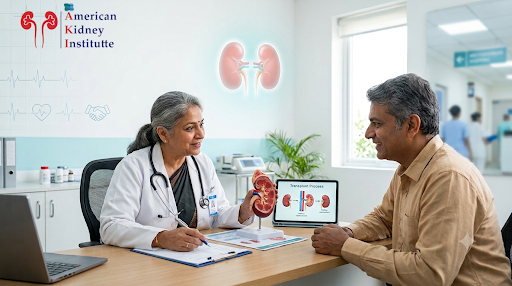
Understanding the right time to consider a Kidney Transplant in Vijayawada can help patients make informed decisions before complications become severe. Early evaluation provides better treatment options, improves overall health, and increases the chances of a successful transplant.
At American Kidney Institute, every patient receives personalized care based on their medical condition, overall health, and long-term treatment goals. The focus is not only on replacing a failed kidney but also on helping patients regain a healthier and more active life.
Understanding the Role of Your Kidneys
Your kidneys are two bean-shaped organs located on either side of your spine, just below the rib cage. Although small in size, they perform several important tasks that are necessary for survival. Healthy kidneys continuously filter your blood and remove toxins through urine while maintaining the correct balance of minerals and fluids in your body.
When kidney function declines gradually, waste products begin to accumulate in the bloodstream. This buildup affects multiple body systems and causes symptoms that become more noticeable as kidney disease progresses.
Some of the important functions performed by healthy kidneys include:
- Filtering nearly 50 gallons of blood every day by removing harmful waste products while keeping essential nutrients in the body. This continuous filtration process is necessary to maintain overall health and prevent toxins from accumulating in the bloodstream.
- Maintaining the body’s fluid balance by regulating the amount of water and electrolytes such as sodium, potassium, and calcium. These minerals play a vital role in muscle function, heart rhythm, and nerve communication.
- Producing hormones that help control blood pressure, stimulate red blood cell production, and maintain healthy bones. Without these hormones, patients may develop anemia, uncontrolled hypertension, and weakened bones.
- Removing excess medications and harmful substances from the body while supporting the body’s natural chemical balance. This process helps every organ function efficiently throughout the day.
When these functions begin to fail, the body cannot compensate for long, making timely medical care extremely important.
What Is Kidney Failure?
Kidney failure occurs when the kidneys lose most of their ability to filter waste and excess fluid from the blood. Doctors usually diagnose kidney failure when kidney function drops to around 15% or less of normal capacity. This condition is also called End-Stage Kidney Disease (ESKD) or End-Stage Renal Disease (ESRD).
Kidney failure may develop gradually over several years because of chronic kidney disease or occur suddenly due to severe illness, infections, or injury. Chronic kidney disease is far more common and often progresses silently without obvious symptoms during its early stages.
Once kidney failure develops, patients generally require either dialysis or a kidney transplant to survive.
Common Causes of Kidney Failure
Several medical conditions can permanently damage the kidneys over time. Understanding these causes helps people take preventive measures and seek treatment before irreversible damage occurs.
Diabetes
Diabetes is one of the leading causes of kidney failure worldwide. High blood sugar damages the tiny blood vessels inside the kidneys, reducing their ability to filter waste efficiently. Proper diabetes management significantly lowers the risk of kidney damage.
High Blood Pressure
Uncontrolled blood pressure places constant stress on kidney blood vessels. Over time, this damage reduces kidney function and may eventually lead to kidney failure if left untreated.
Chronic Glomerulonephritis
This condition involves inflammation of the kidney’s filtering units called glomeruli. Persistent inflammation gradually destroys healthy kidney tissue and reduces overall kidney function.
Polycystic Kidney Disease
This inherited disorder causes multiple fluid-filled cysts to grow inside the kidneys. As these cysts enlarge, they replace healthy kidney tissue and interfere with normal kidney function.
Recurrent Kidney Infections
Frequent kidney infections can leave permanent scars that gradually reduce the kidneys’ filtering ability over several years.
Autoimmune Diseases
Conditions such as lupus may cause the immune system to attack healthy kidney tissue, leading to chronic inflammation and progressive kidney damage.
Signs That Your Kidneys May Be Failing
Kidney disease often develops slowly, and many patients notice symptoms only after significant kidney damage has already occurred. Recognizing these warning signs early allows treatment to begin before complications become severe.
Common symptoms include:
- Persistent tiredness and weakness that continue even after adequate rest because damaged kidneys cannot remove toxins effectively, leading to fatigue and reduced energy throughout the day.
- Swelling in the feet, ankles, legs, hands, or face due to fluid retention. As kidney function decreases, the body struggles to remove excess water, causing noticeable swelling.
- Changes in urination such as producing less urine, passing urine more frequently at night, foamy urine, blood in the urine, or difficulty urinating. These changes often indicate that the kidneys are no longer filtering properly.
- Loss of appetite, nausea, vomiting, and an unpleasant metallic taste in the mouth caused by the buildup of waste products in the bloodstream.
- Shortness of breath resulting from fluid accumulation in the lungs or anemia caused by reduced production of red blood cells.
- Difficulty concentrating, poor memory, and confusion because toxins that should normally be removed by the kidneys begin affecting brain function.
- Persistent itching across different parts of the body due to waste accumulation and mineral imbalance.
These symptoms should never be ignored, especially by individuals with diabetes, hypertension, or a family history of kidney disease.
When Should You Consider a Kidney Transplant?
Many people believe a kidney transplant should only be considered after years of dialysis. In reality, doctors often recommend transplant evaluation much earlier. Starting the evaluation before dialysis becomes necessary can improve treatment outcomes and reduce long-term complications.
A Kidney Transplant in Vijayawada is generally considered when kidney function has declined significantly and doctors believe that transplantation will offer a better quality of life than continuing dialysis for many years.
You may need to discuss transplantation with your nephrologist if:
- Your kidney function has fallen below approximately 20% and laboratory reports show continuous decline despite medications, lifestyle modifications, and dietary management.
- Your doctor expects kidney failure to occur within the next several months or years based on disease progression, allowing enough time to complete transplant evaluation before dialysis becomes unavoidable.
- You are already receiving dialysis but continue experiencing fatigue, poor appetite, restricted lifestyle, or repeated hospital admissions related to kidney disease.
- Your overall health is stable enough to undergo major surgery, and you do not have medical conditions that would prevent a successful transplant or long-term recovery.
Discussing transplant options early allows patients and their families to prepare physically, emotionally, and financially while increasing the likelihood of better long-term outcomes.
Who Is Eligible for a Kidney Transplant?
Not everyone with kidney disease requires a transplant immediately. Doctors carefully evaluate each patient to determine whether transplantation is the safest and most effective treatment option.
Several factors are considered during eligibility assessment, including kidney function, heart health, age, other medical conditions, nutritional status, infection risk, and emotional readiness. Every patient undergoes a detailed evaluation before being placed on a transplant waiting list or proceeding with a living donor transplant.
At American Kidney Institute, the evaluation process is comprehensive and patient-focused. Specialists carefully review every aspect of a patient’s health to ensure that transplantation offers the greatest long-term benefit while minimizing surgical risks.
The Complete Kidney Transplant Evaluation Process
Before a patient undergoes a kidney transplant, doctors perform a detailed medical evaluation. This process helps determine whether the patient is healthy enough for surgery and whether the donated kidney is likely to function well after transplantation. A thorough evaluation also reduces the risk of complications and improves long-term success.
The evaluation is not completed in a single day. It involves several consultations, laboratory tests, imaging studies, and discussions with a multidisciplinary transplant team. Every step is designed to ensure patient safety and achieve the best possible outcome.
The transplant evaluation generally includes:
- A detailed review of your medical history, including previous surgeries, long-term illnesses, medications, allergies, and family history of kidney disease. Doctors also discuss your lifestyle habits, nutrition, physical activity, and any existing health concerns that could affect transplant success.
- Comprehensive blood investigations to determine your blood group, tissue compatibility, kidney function, liver function, infection status, immune system response, and overall health. These tests help identify the most suitable donor and reduce the chances of organ rejection after surgery.
- Imaging studies such as ultrasound scans, CT scans, chest X-rays, and heart evaluations to understand your overall physical condition. These investigations help doctors assess whether your body can safely tolerate transplant surgery.
- Cardiac assessment because patients with advanced kidney disease often have an increased risk of heart-related problems. An ECG, echocardiogram, or stress test may be performed to evaluate heart health before surgery.
- Psychological and emotional evaluation to ensure that patients understand the transplant journey, medication requirements, follow-up visits, and lifestyle changes that will be necessary after surgery.
At American Kidney Institute, this evaluation process is planned carefully so that patients receive clear guidance at every stage and can confidently move toward transplantation.
Living Donor vs Deceased Donor Kidney
One of the most important decisions during transplant planning is choosing the source of the donor kidney. Kidney transplants can be performed using either a living donor or a deceased donor. Both options have helped thousands of patients return to healthier lives.
Living Donor Kidney
A living donor is usually a close family member, relative, spouse, or another medically suitable individual who voluntarily donates one healthy kidney. Since people can live healthy lives with one functioning kidney, living donation has become a common and successful treatment option.
Some important advantages include:
- Surgery can often be scheduled in advance, reducing the waiting period and allowing both the donor and recipient to prepare physically and mentally for the procedure.
- The donated kidney usually begins functioning immediately after transplantation, leading to quicker recovery and better long-term outcomes.
- Living donor kidneys generally have excellent survival rates because they spend less time outside the body before transplantation.
Deceased Donor Kidney
A deceased donor kidney becomes available after an individual has donated organs following brain death or cardiac death. These kidneys are allocated according to established transplant guidelines and waiting list priorities.
Although patients may need to wait longer for a suitable organ, deceased donor transplantation remains a life-saving option for individuals who do not have a living donor.
Choosing between these options depends on donor availability, medical compatibility, and individual health conditions.
Benefits of Kidney Transplant Compared with Dialysis
Dialysis plays a vital role in supporting patients with kidney failure. However, for eligible individuals, a kidney transplant often provides a better quality of life and greater independence over the long term.
Many patients notice significant improvements after successful transplantation.
Some important benefits include:
- Improved energy levels because the transplanted kidney continuously removes waste products, allowing patients to feel more active and less fatigued during everyday activities.
- Greater dietary flexibility compared to dialysis patients, although maintaining a healthy and balanced diet remains important for protecting the transplanted kidney.
- Better fluid balance, allowing many patients to enjoy a more comfortable daily routine without strict fluid restrictions.
- Freedom from regular dialysis sessions, giving patients more time for work, education, travel, family activities, and social life.
- Improved heart health in many patients because transplantation helps normalize fluid balance and blood pressure more effectively than long-term dialysis.
- Better overall life expectancy for many suitable patients when compared with remaining on dialysis for several years.
- Enhanced emotional well-being as patients regain confidence, independence, and the ability to participate in activities they previously avoided.
For many eligible individuals, a Kidney Transplant in Vijayawada offers the opportunity to enjoy a healthier and more fulfilling life.
Risks Associated with Kidney Transplant
Like every major surgery, kidney transplantation carries certain risks. However, advances in surgical techniques, medications, and post-operative care have significantly improved safety and success rates.
Understanding these risks helps patients make informed decisions together with their healthcare team.
Potential risks include:
- Surgical complications such as bleeding, infection, blood clots, or delayed wound healing. These complications are carefully monitored and treated promptly by the transplant team.
- Organ rejection, where the immune system recognizes the transplanted kidney as foreign and attempts to attack it. Modern immunosuppressive medications greatly reduce this risk when taken regularly.
- Side effects of lifelong anti-rejection medications, including increased susceptibility to infections, changes in blood sugar, elevated blood pressure, and bone health concerns. Regular follow-up helps manage these effects effectively.
- Rare complications involving the blood vessels or urinary tract connected to the transplanted kidney, which may require additional treatment.
Most patients recover well with regular monitoring, medication adherence, and healthy lifestyle habits.
How Is Kidney Transplant Surgery Performed?
Kidney transplant surgery is performed by an experienced transplant surgeon under general anesthesia. The operation usually takes several hours, depending on the patient’s condition and surgical complexity.
Interestingly, the patient’s diseased kidneys are usually left inside the body unless there is a specific medical reason to remove them. The healthy donor kidney is placed in the lower abdomen and connected to nearby blood vessels and the urinary bladder.
The surgical procedure generally involves:
- Carefully preparing the recipient and donor kidney before surgery while ensuring proper preservation of the donated organ.
- Connecting the donor kidney’s blood vessels to the recipient’s blood vessels to restore normal blood circulation.
- Attaching the donor ureter to the urinary bladder so urine produced by the transplanted kidney can leave the body normally.
- Monitoring blood flow and kidney function immediately after completing the surgical connections to ensure the transplanted kidney is functioning properly.
Following surgery, patients remain under close observation in the hospital while doctors monitor kidney function, urine output, and overall recovery.
Recovery After Kidney Transplant
Recovery is a gradual process that continues for several weeks and months after surgery. Every patient’s experience is different, but careful follow-up helps ensure a successful recovery.
Most patients remain in the hospital for several days while doctors monitor kidney function and adjust medications.
Recovery generally includes:
- Frequent blood tests during the first few weeks to ensure the transplanted kidney is functioning properly and that medication doses remain appropriate.
- Gradually increasing physical activity through walking and light daily activities while avoiding heavy lifting until complete healing occurs.
- Taking immunosuppressive medications exactly as prescribed to prevent organ rejection and protect the transplanted kidney.
- Attending scheduled follow-up appointments so the transplant team can identify and manage any complications early.
- Maintaining excellent personal hygiene and avoiding unnecessary exposure to infections because anti-rejection medications reduce immune system activity.
Most patients can gradually return to work, education, and normal daily activities after receiving medical clearance from their transplant team.
Diet After Kidney Transplant
Nutrition continues to play an important role even after successful transplantation. Although dietary restrictions become less strict than during dialysis, healthy eating remains essential for protecting the transplanted kidney.
Doctors and dietitians usually recommend:
- Eating a balanced diet rich in vegetables, fruits, whole grains, lean proteins, and healthy fats to support healing and maintain overall health.
- Drinking adequate fluids as advised by your nephrologist to maintain proper hydration without placing unnecessary stress on the transplanted kidney.
- Reducing excessive salt intake to help control blood pressure and prevent unnecessary fluid retention.
- Limiting processed foods, sugary beverages, and unhealthy fats to reduce the risk of diabetes, obesity, and cardiovascular disease after transplantation.
- Following food safety guidelines carefully because immunosuppressive medications increase susceptibility to food-borne infections.
A personalized nutrition plan helps patients maintain healthy kidney function for many years.
Lifestyle Changes That Protect Your Transplanted Kidney
Receiving a kidney transplant is not the end of treatment—it marks the beginning of lifelong care. Healthy lifestyle choices significantly improve the longevity of the transplanted kidney.
Important lifestyle habits include:
- Taking every prescribed medication on time without skipping doses because missing anti-rejection medicines can seriously damage the transplanted kidney.
- Monitoring blood pressure, blood sugar, and weight regularly to detect problems early and maintain long-term kidney health.
- Exercising consistently through walking, cycling, swimming, or other doctor-approved activities to improve cardiovascular fitness and overall well-being.
- Avoiding smoking, excessive alcohol consumption, and recreational drugs because these substances can damage blood vessels and reduce kidney function.
- Getting adequate sleep and managing stress through relaxation techniques, hobbies, family support, or counseling whenever necessary.
These habits contribute significantly to long-term transplant success.
Why Early Evaluation Makes a Difference
Many people wait until dialysis becomes unavoidable before discussing transplantation. However, early evaluation offers several important advantages.
When patients begin transplant assessment before complete kidney failure develops, doctors have more time to identify suitable donors, optimize medical conditions, complete necessary investigations, and prepare patients physically and emotionally.
Early evaluation can also reduce complications associated with prolonged dialysis and improve overall transplant outcomes.
If your nephrologist has informed you that kidney function continues to decline despite treatment, discussing a Kidney Transplant in Vijayawada at the earliest opportunity can provide valuable time to explore the most appropriate treatment options.
Life After a Kidney Transplant
A successful kidney transplant can bring remarkable improvements to a person’s daily life. Many patients experience increased energy levels, better sleep, improved appetite, and greater independence. Everyday activities that once felt exhausting often become easier as the transplanted kidney begins performing the essential functions that failing kidneys could no longer manage.
Although a transplant offers a fresh start, it is not considered a cure for kidney disease. Lifelong commitment to medications, regular health check-ups, and healthy lifestyle choices are necessary to protect the transplanted kidney. Patients who actively participate in their care often enjoy many years of good kidney function and an improved quality of life.
Returning to work, continuing education, travelling, exercising, and spending quality time with family become realistic goals for many transplant recipients. Following your doctor’s advice consistently is one of the most important factors in maintaining long-term transplant success.
Warning Signs You Should Never Ignore After a Kidney Transplant
Even after a successful transplant, it is important to stay alert to any changes in your health. Early recognition of warning signs allows doctors to identify complications before they become serious.
Contact your transplant team immediately if you notice:
- A persistent fever, chills, or symptoms of infection because transplant medications reduce the body’s natural immune response. Prompt treatment helps prevent infections from affecting the transplanted kidney.
- A sudden decrease in urine output or difficulty passing urine, as this may indicate problems with kidney function, dehydration, or urinary obstruction that requires immediate medical evaluation.
- Swelling in the legs, ankles, hands, or face, especially if it develops quickly. Fluid retention may suggest changes in kidney function or blood pressure that need medical attention.
- Pain, redness, warmth, or unusual swelling around the surgical incision. These symptoms could indicate infection or delayed healing that should be assessed by your healthcare provider.
- Unexpected weight gain, severe fatigue, persistent nausea, vomiting, or difficulty breathing. These symptoms should never be ignored because they may signal fluid imbalance or reduced kidney function.
- Blood pressure readings that remain consistently high despite taking prescribed medications. Uncontrolled hypertension can gradually damage the transplanted kidney if left untreated.
Prompt communication with your healthcare team can often prevent minor issues from becoming major complications.
How to Keep Your Transplanted Kidney Healthy for Years
Protecting a transplanted kidney requires lifelong attention. Small daily habits can make a significant difference in preserving kidney function and reducing the risk of complications.
Some important practices include:
- Take every prescribed medication exactly as directed, even if you feel completely healthy. Anti-rejection medicines work continuously to protect the transplanted kidney, and missing doses can increase the risk of organ rejection.
- Attend every scheduled follow-up appointment so your transplant team can monitor kidney function, adjust medications, and identify any problems before symptoms develop.
- Stay physically active through regular walking, light strength exercises, or other doctor-approved activities. Regular exercise supports heart health, maintains a healthy weight, and improves overall well-being.
- Eat fresh, nutritious meals prepared with limited salt, moderate sugar, and healthy fats. A balanced diet supports kidney function and reduces the risk of diabetes, high blood pressure, and heart disease.
- Drink sufficient water according to your nephrologist’s recommendations. Proper hydration supports kidney function, but fluid intake should always be individualized based on your medical condition.
- Avoid self-medication, especially painkillers, herbal supplements, or over-the-counter medicines without medical advice. Some medications can harm the transplanted kidney or interact with immunosuppressive drugs.
- Maintain excellent personal hygiene and stay up to date with recommended vaccinations. Preventing infections is especially important because transplant medications lower the body’s immune defenses.
These habits can help the transplanted kidney function efficiently for many years.
Emotional Well-Being Is an Important Part of Recovery
Kidney transplantation affects more than physical health. Many patients experience emotional changes before and after surgery. Feelings of relief, excitement, anxiety, and uncertainty are all normal during different stages of the transplant journey.
Support from family members, friends, doctors, nurses, and counselors can make recovery smoother. Open communication about concerns, medication routines, work responsibilities, and future goals helps patients adjust confidently to their new lifestyle.
Joining transplant support groups or speaking with others who have undergone kidney transplantation can also provide reassurance and practical advice. Emotional well-being plays an important role in long-term recovery and overall quality of life.
Why Choosing the Right Kidney Care Team Matters
A kidney transplant is one of the most important healthcare decisions a person may face. It requires the expertise of nephrologists, transplant surgeons, anesthesiologists, nurses, dietitians, transplant coordinators, and rehabilitation specialists working together.
From the initial diagnosis through evaluation, surgery, recovery, and lifelong follow-up, coordinated care helps improve patient safety and treatment outcomes. Clear communication, patient education, and timely medical support make a significant difference throughout the transplant journey.
At American Kidney Institute, patients receive comprehensive kidney care that focuses on accurate diagnosis, personalized treatment planning, advanced transplant evaluation, and continuous follow-up. The goal is to help every patient make informed decisions and achieve the best possible long-term kidney health.
Conclusion
Kidney disease often progresses gradually, making regular health check-ups extremely important for individuals with diabetes, high blood pressure, or a family history of kidney disorders. Recognizing declining kidney function early allows patients to explore treatment options before complications become severe.
If your nephrologist believes your kidneys are approaching end-stage kidney disease, discussing a Kidney Transplant in Vijayawada without unnecessary delay can provide valuable opportunities for evaluation and planning. Early transplant assessment often leads to better preparation, improved surgical outcomes, and greater long-term success.
A successful Kidney Transplant in Vijayawada has the potential to restore independence, improve quality of life, and reduce the long-term burden of dialysis for eligible patients. With expert guidance, consistent follow-up, healthy lifestyle habits, and proper medication adherence, many transplant recipients enjoy active and fulfilling lives for years.
Whether you have recently been diagnosed with advanced kidney disease or are already receiving dialysis, speaking with an experienced nephrology team can help you understand your options. American Kidney Institute is committed to supporting patients throughout every stage of kidney care, helping them move toward a healthier future with confidence.
Frequently Asked Questions (FAQs)
1. When should I start thinking about a kidney transplant?
You should discuss transplantation with your nephrologist when your kidney function falls below about 20% or when chronic kidney disease continues to worsen despite treatment. Early evaluation provides more time to identify a suitable donor and prepare for surgery. It can also improve overall transplant outcomes.
2. Is a kidney transplant better than dialysis?
For many eligible patients, a kidney transplant offers better long-term quality of life, increased independence, and improved survival compared to long-term dialysis. However, the best treatment depends on your overall health, medical history, and transplant eligibility. Your nephrologist will help determine the most suitable option.
3. How long does recovery take after a kidney transplant?
Most patients stay in the hospital for about one to two weeks, while complete recovery may take several weeks to a few months. Recovery time varies depending on age, overall health, and how well the transplanted kidney functions. Regular follow-up visits are essential during this period.
4. Can I live a normal life after a kidney transplant?
Yes. Many transplant recipients return to work, travel, exercise, and enjoy family life after recovery. Maintaining a healthy lifestyle, taking medications as prescribed, and attending regular medical appointments are important for protecting the transplanted kidney.
5. Who can donate a kidney?
A healthy living donor may be a family member, spouse, relative, or another medically compatible individual. Kidneys may also become available from deceased donors through authorized organ donation programs. Every donor undergoes a detailed medical evaluation to ensure safety for both the donor and recipient.