Why Is Erythropoietin Low in Kidney Disease and How Is It Treated?

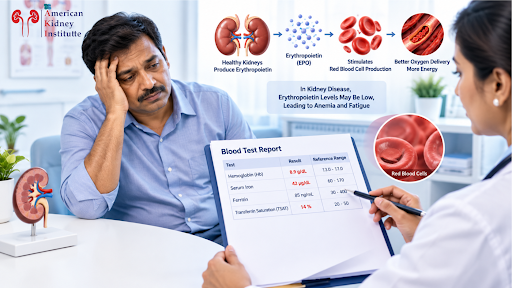
Why Is Erythropoietin Low in Kidney Disease and How Is It Treated? Feeling tired or weak is a common complaint among people living with kidney disease. Some patients may feel exhausted even after getting enough sleep, while others may notice weakness, reduced energy, poor concentration, or difficulty doing their usual daily activities. Many people may think that this tiredness is simply due to age, stress, lack of sleep, or the kidney disease itself. However, anemia is one of the important reasons for fatigue in people with chronic kidney disease. One of the major causes of anemia in kidney disease is a reduction in the production of a hormone called erythropoietin, also known as EPO. Healthy kidneys normally produce erythropoietin, which signals the bone marrow to make red blood cells. When kidney function decreases significantly, the kidneys may not produce enough erythropoietin. As a result, the bone marrow receives less stimulation to produce red blood cells, which can contribute to anemia. However, low erythropoietin is not the only reason kidney patients develop anemia. Iron deficiency, inflammation, blood loss, nutritional problems, and other medical conditions can also contribute. Understanding the connection between kidney disease, erythropoietin, hemoglobin, iron, and fatigue can help patients seek the right evaluation and treatment instead of simply accepting constant tiredness as a normal part of aging. What Is Erythropoietin? Erythropoietin is a hormone that plays an important role in red blood cell production. Most erythropoietin in adults is produced by specialized cells in the kidneys. When the body senses that tissues are not receiving enough oxygen, the kidneys normally increase erythropoietin production. Erythropoietin then travels through the bloodstream to the bone marrow. It stimulates the bone marrow to produce more red blood cells. Red blood cells contain hemoglobin, a protein that carries oxygen from the lungs to different parts of the body. Therefore, erythropoietin, red blood cells, hemoglobin, and oxygen delivery are closely connected. When kidney function becomes severely reduced, the kidneys may lose some of their ability to produce an adequate amount of erythropoietin. This can reduce red blood cell production and contribute to anemia. Why Does Erythropoietin Become Low in Kidney Disease? Healthy kidneys have several important functions, including filtering waste products, regulating fluid and electrolyte balance, and producing hormones. As chronic kidney disease progresses, damage to the kidney tissue can affect these functions. The cells responsible for producing erythropoietin can become less effective. Consequently, erythropoietin production may not increase adequately even when the body needs more red blood cells. This is one reason anemia becomes increasingly common as kidney disease advances. The relationship is not always simple. Some patients with kidney disease may have anemia even when erythropoietin levels are not extremely low because their bone marrow may not respond normally to erythropoietin. Inflammation, iron deficiency, infection, nutritional deficiencies, and blood loss can also interfere with healthy red blood cell production. Therefore, doctors do not usually diagnose the cause of anemia simply by looking at erythropoietin levels. A complete evaluation is needed. How Does Low Erythropoietin Cause Anemia? The process can be understood in a simple way. The kidneys produce erythropoietin, and erythropoietin tells the bone marrow to produce red blood cells. When kidney disease reduces this signal, the bone marrow may produce fewer red blood cells. With fewer red blood cells, the amount of oxygen carried to body tissues can decrease. This can result in symptoms such as tiredness, weakness, reduced stamina, dizziness, headaches, shortness of breath during activity, and difficulty concentrating. The severity of symptoms can vary considerably from one person to another. A patient with a mildly reduced hemoglobin level may have few symptoms, while another patient with more significant anemia may feel extremely tired and weak. Is Tiredness Always Due to Low Erythropoietin? No. This is an important point for kidney patients to understand. Fatigue can have many causes, and kidney disease itself can contribute to reduced energy. Anemia is one important cause, but it is not the only possible explanation. A patient may have iron deficiency, vitamin deficiencies, infection, inflammation, poor nutrition, sleep problems, heart disease, thyroid problems, medication-related effects, or other conditions that cause fatigue. For this reason, patients should not assume that every episode of tiredness means they need an erythropoietin injection. A doctor needs to identify the underlying cause before deciding on treatment. What Are the Common Symptoms of Anemia in Kidney Disease? Anemia can develop gradually, so some patients may not immediately recognize the symptoms. The body may adapt to a gradual reduction in red blood cells, and symptoms may become more noticeable as anemia becomes more severe. Common symptoms can include: Persistent tiredness and weakness that interfere with normal daily activities. A patient may feel exhausted after routine activities such as walking, climbing stairs, household work, or shopping. Shortness of breath, especially during physical activity. When oxygen delivery is reduced, the heart and lungs may need to work harder to meet the body’s oxygen requirements. Dizziness, headaches, or light-headedness. These symptoms can occur in some people with anemia, although they may also have other causes. Reduced concentration and difficulty feeling mentally alert. Some patients describe this as feeling mentally tired or unable to focus properly. Pale skin or pale appearance. Reduced hemoglobin can sometimes make the skin, lips, or inside of the eyelids appear paler than usual. Reduced exercise tolerance. Activities that were previously easy may become tiring, particularly when anemia becomes more significant. These symptoms should not automatically be attributed to kidney disease or age. Medical evaluation can help identify whether anemia or another condition is responsible. Understanding Chronic Kidney Disease Symptoms and Anemia Many patients search for Chronic Kidney Disease Symptoms when they begin experiencing fatigue, weakness, swelling, changes in urination, or other health problems. However, chronic kidney disease can sometimes progress without obvious symptoms during its early stages. As kidney function declines, symptoms may become more noticeable. Anemia is one of the complications that may develop as kidney disease progresses. Because fatigue has many possible causes, checking hemoglobin and iron-related blood

Why Should Dialysis Patients Control Water, Potassium and Phosphorus Intake?

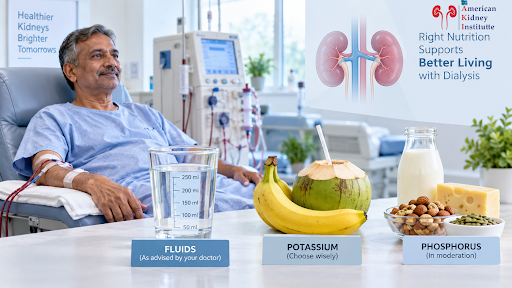
Why Should Dialysis Patients Control Water, Potassium and Phosphorus Intake? For people undergoing dialysis, food and fluid choices are an important part of everyday kidney care. When the kidneys are no longer able to remove enough waste and extra fluid from the body, substances such as water, sodium, potassium, and phosphorus can build up between dialysis sessions. Managing these levels can help reduce complications and support better overall health. Many dialysis patients have questions such as: How much water can I drink? Which foods contain too much potassium? Why should phosphorus be limited? Why does my weight increase between two dialysis sessions? These are important questions because what you eat and drink can directly affect how your body feels before and after dialysis. The right diet does not mean that you have to stop enjoying food. Instead, it means understanding which foods and drinks need to be limited, how much you can safely consume, and how to follow the fluid and dietary plan recommended by your nephrologist and dietitian. For patients looking for Dialysis in Vijayawada, understanding these dietary precautions is an important part of learning how to manage life during regular dialysis treatment. Why Do Dialysis Patients Need to Control Water Intake? Healthy kidneys continuously remove extra water from the body through urine. When kidney function becomes severely reduced, this natural process is affected. Dialysis can remove some of the excess fluid, but fluid can still accumulate between dialysis sessions. This is why dialysis patients are often advised to follow a fluid restriction based on their individual condition. The exact amount is not the same for everyone. It may depend on urine output, body size, dialysis schedule, heart condition, blood pressure, and other medical factors. Drinking more fluid than recommended can cause the body to retain excess water. This may result in swelling of the feet, ankles, face, or hands. Some people may also notice rapid weight gain between dialysis sessions. When too much fluid accumulates, it can become more difficult for the heart and lungs to handle the extra volume. In some patients, fluid overload can contribute to breathlessness, high blood pressure, and other serious complications. Therefore, fluid restriction is not simply about drinking less water. It is about maintaining a safer fluid balance between dialysis treatments. What Happens If a Dialysis Patient Drinks Too Much Water? Excessive fluid intake between dialysis sessions can lead to a condition commonly described as fluid overload. Since the kidneys cannot remove the extra fluid efficiently, the fluid remains in the body until it can be removed during dialysis. One of the easiest ways to notice excess fluid is through an increase in body weight. This is why dialysis patients are usually weighed before and after dialysis. The weight gained between dialysis sessions is often largely related to fluid accumulation rather than actual body tissue gain. If the increase is significant, removing all of that fluid during one dialysis session may be difficult or may cause uncomfortable symptoms. Large amounts of fluid removal during dialysis can sometimes lead to low blood pressure, cramps, weakness, dizziness, or nausea. For this reason, preventing excessive fluid accumulation is generally better than trying to remove a very large amount of fluid during a single treatment. Important fluid management points for dialysis patients Follow the fluid limit prescribed by your nephrologist rather than following a general number found online. Your appropriate fluid allowance depends on your kidney function, urine output, dialysis schedule, and other health conditions. Remember that fluids include more than plain water. Tea, coffee, milk, juices, soups, ice cubes, soft drinks, and other liquid foods can also contribute to your daily fluid intake. Measure your daily fluids when you have been advised to restrict them. Using a measuring cup or bottle can help you understand how much you are actually consuming instead of estimating. Reduce unnecessary thirst by controlling salt intake. Eating very salty foods can make you thirsty and may encourage you to drink more fluid, making fluid management more difficult. Do not change your fluid restriction suddenly without medical advice. If you are extremely thirsty, producing more or less urine than usual, or experiencing swelling or breathlessness, discuss it with your healthcare team. Why Is Weight Gain Between Dialysis Sessions Important? One of the important measurements for a dialysis patient is the change in body weight between treatments. This is sometimes called interdialytic weight gain. If a patient drinks a lot of fluid between two dialysis sessions, the extra water can increase body weight. A sudden increase may indicate that the body is retaining more fluid than recommended. For example, if your target or dry weight has been established by your dialysis team, a significant increase above that weight may indicate fluid accumulation. Your dialysis team can determine how much fluid needs to be removed during treatment. Patients should not compare their weight goals with another dialysis patient because dry weight and fluid requirements are individualized. The commonly mentioned goal of keeping weight gain around two to three kilograms should not be treated as a universal rule for every person. Your nephrologist should determine the appropriate target based on your medical condition. For anyone undergoing Dialysis in Vijayawada, regular monitoring of weight before and after dialysis can provide useful information about fluid balance and help the healthcare team adjust treatment when necessary. Why Is Potassium Control Important During Dialysis? Potassium is an essential mineral. It helps muscles function properly and plays an important role in maintaining the normal electrical activity of the heart. However, when kidney function is severely reduced, the body may not be able to remove potassium effectively. As a result, potassium can accumulate in the blood. A high potassium level is known as hyperkalemia. In some cases, it may cause muscle weakness, tiredness, nausea, abnormal sensations, or other symptoms. More importantly, very high potassium levels can affect the electrical rhythm of the heart and may lead to dangerous heart rhythm abnormalities. This is why potassium control is particularly important

డయాలసిస్ సమయంలో ఏ ఆహారాలు తినాలి? ఏవి నివారించాలి?

డయాలసిస్ సమయంలో ఏ ఆహారాలు తినాలి? ఏవి నివారించాలి? కిడ్నీలు సరిగ్గా పనిచేయనప్పుడు శరీరంలోని వ్యర్థ పదార్థాలు, అదనపు ఉప్పు, పొటాషియం, ఫాస్ఫరస్ మరియు ద్రవాన్ని బయటకు పంపడం కష్టమవుతుంది. ఇలాంటి పరిస్థితిలో డయాలసిస్ శరీరంలో పేరుకున్న వ్యర్థాలు మరియు అదనపు ద్రవాన్ని తొలగించడంలో సహాయపడుతుంది. అయితే డయాలసిస్ ఒక్కటే సరిపోదు. ఏం తింటున్నారు, ఎంత తింటున్నారు, ఎంత నీరు తాగుతున్నారు అనే విషయాలు కూడా చికిత్సలో చాలా ముఖ్యమైనవి. సరైన ఆహారం తీసుకోవడం వల్ల డయాలసిస్ మధ్యలో వ్యర్థాలు, ద్రవం మరియు కొన్ని ఖనిజాలు ఎక్కువగా పేరుకుపోకుండా చూసుకోవచ్చు. డయాలసిస్‌లో ఉన్న ప్రతి వ్యక్తికి ఒకే ఆహార నియమాలు ఉండవు. మీ రక్త పరీక్షలు, రోజుకు ఎంత మూత్రం వస్తోంది, డయాలసిస్ ఎన్ని సార్లు జరుగుతోంది, బరువు, పోషక స్థితి మరియు ఇతర ఆరోగ్య సమస్యలను బట్టి ఆహార ప్రణాళిక మారుతుంది. అందుకే మీకు సరైన ఆహార పట్టికను నెఫ్రాలజిస్ట్ మరియు మూత్రపిండాల ఆహార నిపుణుడితో కలిసి నిర్ణయించుకోవడం మంచిది. ఈ వ్యాసంలో డయాలసిస్ సమయంలో ఏ ఆహారాలు మంచివి, ఏవి పరిమితం చేయాలి, ప్రోటీన్ ఎందుకు అవసరం, ఉప్పు ఎందుకు తగ్గించాలి, పొటాషియం మరియు ఫాస్ఫరస్‌పై ఎందుకు జాగ్రత్త అవసరం, అలాగే రోజువారీ ఆహారాన్ని ఎలా సులభంగా ప్లాన్ చేసుకోవచ్చో తెలుసుకుందాం. డయాలసిస్ సమయంలో ఆహారంపై ఎందుకు ప్రత్యేక శ్రద్ధ అవసరం? సాధారణంగా ఆరోగ్యకరమైన కిడ్నీలు రక్తంలో ఉండే అదనపు పొటాషియం, ఫాస్ఫరస్, సోడియం మరియు నీటిని సమతుల్యం చేస్తాయి. కిడ్నీ పనితీరు బాగా తగ్గినప్పుడు ఈ సమతుల్యత దెబ్బతినవచ్చు. డయాలసిస్ రక్తంలోని కొన్ని వ్యర్థాలను మరియు అదనపు ద్రవాన్ని తొలగించినప్పటికీ, చికిత్సల మధ్య మళ్లీ కొన్ని పదార్థాలు పేరుకుపోవచ్చు. అందుకే ఆహారంలో సరైన మార్పులు చేయడం ద్వారా శరీరంపై అదనపు భారం తగ్గించవచ్చు. ముఖ్యంగా డయాలసిస్ తీసుకునే చాలామంది రోగులు ఉప్పు, పొటాషియం, ఫాస్ఫరస్ మరియు ద్రవం విషయంలో జాగ్రత్తగా ఉండాల్సి రావచ్చు. అదే సమయంలో శరీరానికి అవసరమైన ప్రోటీన్ మరియు కేలరీలు తగినంతగా అందేలా చూసుకోవాలి. అంటే డయాలసిస్ ఆహారం అంటే కేవలం “ఇవి తినకూడదు” అనే నియమం కాదు. ఏం తినాలి, ఎంత తినాలి, ఎప్పుడు తినాలి, ఏ ఆహారాన్ని ఏదితో మార్చుకోవాలి అనే విషయాలను అర్థం చేసుకోవడం ముఖ్యం. డయాలసిస్ సమయంలో తినాల్సిన ఆహారాలు ఏవి? డయాలసిస్‌లో ఉన్నవారికి సాధారణంగా తగినంత నాణ్యమైన ప్రోటీన్, సరైన కేలరీలు మరియు వ్యక్తిగత రక్త పరీక్షలకు అనుగుణంగా నియంత్రించిన పొటాషియం, ఫాస్ఫరస్ మరియు సోడియం అవసరం ఉంటుంది. అయితే ఒక ఆహారం ఒక రోగికి అనుకూలంగా ఉండొచ్చు, మరొకరికి పరిమితం చేయాల్సి రావచ్చు. అందుకే కింద ఇచ్చిన ఆహారాలను సాధారణ మార్గదర్శకాలుగా చూడాలి. 1. నాణ్యమైన ప్రోటీన్ ఉన్న ఆహారాలు డయాలసిస్ సమయంలో ప్రోటీన్ చాలా ముఖ్యమైనది. హీమోడయాలసిస్ చికిత్సలో కొంత ప్రోటీన్ కోల్పోయే అవకాశం ఉండటం వల్ల చాలామంది రోగులకు తగినంత నాణ్యమైన ప్రోటీన్ తీసుకోవాలని ఆహార నిపుణులు సూచిస్తారు. ప్రోటీన్‌కు మంచి వనరులు: గుడ్లు చికెన్ చేపలు తక్కువ కొవ్వు ఉన్న మాంసం తాజాగా తయారు చేసిన ప్రోటీన్ ఆహారాలు అయితే ప్రోటీన్ ఎక్కువగా ఉందని ఏ ఆహారాన్నైనా ఎక్కువగా తినడం సరైంది కాదు. కొన్ని ప్రోటీన్ ఆహారాల్లో ఫాస్ఫరస్ కూడా ఎక్కువగా ఉండవచ్చు. కాబట్టి పరిమాణం మరియు ఆహారం ఎంపిక రెండూ ముఖ్యమే. 2. గుడ్లు తినవచ్చా? చాలా మంది డయాలసిస్ రోగులకు గుడ్లు ప్రోటీన్‌కు మంచి వనరుగా ఉండవచ్చు. అయితే మీకు ఎంత ప్రోటీన్ అవసరమో మీ పోషక స్థితి మరియు వైద్యుల సూచనపై ఆధారపడి ఉంటుంది. గుడ్లను ఎక్కువ నూనె లేదా ఉప్పుతో తయారు చేయకుండా తీసుకోవడం మంచిది. మీ రక్తంలో ఫాస్ఫరస్, పొటాషియం మరియు ఇతర స్థాయిలను బట్టి ఆహార నిపుణుడు సరైన పరిమాణాన్ని సూచించవచ్చు. 3. చేపలు మరియు చికెన్ తాజాగా తయారు చేసిన చేపలు మరియు చికెన్ డయాలసిస్ ఆహారంలో మంచి ప్రోటీన్ వనరులుగా ఉండవచ్చు. వీటిని ఎక్కువ ఉప్పు, ప్యాకేజ్డ్ మసాలాలు లేదా ప్రాసెస్ చేసిన సాస్‌లతో కాకుండా తక్కువ ఉప్పుతో వండడం మంచిది. వేయించిన చికెన్ లేదా ఎక్కువ ఉప్పుతో తయారు చేసిన ప్రాసెస్ చేసిన మాంసం కంటే ఇంట్లో తాజాగా వండిన చికెన్ లేదా చేపలను ఎంచుకోవడం సాధారణంగా మంచి ఎంపిక. 4. తాజా పండ్లు డయాలసిస్ రోగులు పండ్లు పూర్తిగా మానేయాల్సిన అవసరం లేదు. కానీ కొన్ని పండ్లలో పొటాషియం ఎక్కువగా ఉండవచ్చు. మీ రక్తంలో పొటాషియం స్థాయి ఎక్కువగా ఉంటే కొన్ని పండ్లను పరిమితం చేయాల్సి రావచ్చు. అందుకే పండ్లను ఎంచుకునేటప్పుడు: “ఇది పండు కాబట్టి ఎంతైనా తినవచ్చు” అనే విధంగా కాకుండా, “నా పొటాషియం స్థాయి మరియు నా ఆహార ప్రణాళికకు ఇది సరిపోతుందా?” అని ఆలోచించాలి. 5. కూరగాయలు కూరగాయలు కూడా ఆరోగ్యకరమైన ఆహారంలో ముఖ్యమైన భాగం. అయితే కొన్ని కూరగాయల్లో పొటాషియం ఎక్కువగా ఉండవచ్చు. మీ రక్త పరీక్షల ఆధారంగా వాటి పరిమాణాన్ని నియంత్రించాల్సి రావచ్చు. కొన్ని సందర్భాల్లో బంగాళాదుంపలను చిన్న ముక్కలుగా కట్ చేసి నీటిలో ఉడికించడం ద్వారా వాటిలోని కొంత పొటాషియంను తగ్గించవచ్చు. అయితే ప్రతి కూరగాయను ఇలా చేయాల్సిన అవసరం ఉండదు. మీకు సరిపోయే కూరగాయల జాబితాను మీ ఆహార నిపుణుడితో తయారు చేసుకోవడం మంచిది. డయాలసిస్ సమయంలో ఏ ఆహారాలను పరిమితం చేయాలి? ఇక్కడ ముఖ్యంగా నాలుగు విషయాలు గుర్తుంచుకోవాలి: ఉప్పు, పొటాషియం, ఫాస్ఫరస్ మరియు ద్రవం. వీటిని ఎంతవరకు పరిమితం చేయాలనే విషయం ప్రతి రోగిలో ఒకేలా ఉండదు. మీ రక్త పరీక్షలు మరియు డయాలసిస్ విధానాన్ని బట్టి వైద్యులు నిర్ణయిస్తారు. 1. ఎక్కువ ఉప్పు ఉన్న ఆహారాలను తగ్గించాలి ఉప్పులో ప్రధానంగా సోడియం ఉంటుంది. ఎక్కువ సోడియం తీసుకుంటే దాహం పెరగవచ్చు. దాహం పెరిగితే ఎక్కువ నీరు తాగాలనిపిస్తుంది. దాంతో డయాలసిస్ సెషన్ల మధ్య శరీరంలో ద్రవం ఎక్కువగా పేరుకుపోవచ్చు. అందుకే వీటిని తగ్గించడం మంచిది: పికిల్స్ పాపడ్స్ చిప్స్ ప్యాకేజ్డ్ స్నాక్స్ ఇన్‌స్టంట్ నూడుల్స్ ఫాస్ట్ ఫుడ్ ప్రాసెస్ చేసిన మాంసం ఎక్కువ ఉప్పుతో తయారు చేసిన సాస్‌లు ప్యాకేజ్డ్ సూప్స్ ఎక్కువ ఉప్పు ఉన్న రెడీమేడ్ ఆహారాలు తాజా పదార్థాలతో ఇంట్లో వండిన ఆహారాన్ని ఎంచుకోవడం మంచి అలవాటు. 2. పొటాషియం ఎక్కువగా ఉన్న ఆహారాలపై జాగ్రత్త పొటాషియం శరీరానికి అవసరమైన ఖనిజం. ఇది నరాలు, కండరాల పనితీరుకు సహాయపడుతుంది. గుండె కొట్టుకునే విధానంలో కూడా ఇది ముఖ్యమైన పాత్ర పోషిస్తుంది. కానీ కిడ్నీలు సరిగ్గా పనిచేయనప్పుడు రక్తంలో పొటాషియం ఎక్కువగా పేరుకుపోవచ్చు. చాలా ఎక్కువ పొటాషియం గుండె కొట్టుకునే విధానాన్ని ప్రభావితం చేయగలదు. అందుకే మీ రక్తంలో పొటాషియం ఎక్కువగా ఉంటే, కొన్ని అధిక పొటాషియం ఆహారాలను తగ్గించాల్సి రావచ్చు. ఉదాహరణకు: అరటిపండ్లు అవకాడో కివీ ఎండిన పండ్లు కొన్ని పండ్లు మరియు కూరగాయలు కొన్ని ఉప్పు ప్రత్యామ్నాయాలు అయితే పొటాషియం ఉన్న ప్రతి ఆహారాన్ని పూర్తిగా మానేయాల్సిన అవసరం ఉండదు. మీ రక్తంలో పొటాషియం స్థాయిని బట్టి మీ ఆహార నిపుణుడు పరిమాణాన్ని నిర్ణయిస్తారు. 3. ఫాస్ఫరస్ ఎక్కువగా ఉన్న ఆహారాలను పరిమితం చేయాలి ఫాస్ఫరస్ శరీరానికి అవసరమైన ఖనిజమే. కానీ కిడ్నీలు సరిగ్గా పనిచేయనప్పుడు రక్తంలో ఫాస్ఫరస్ ఎక్కువగా పేరుకుపోవచ్చు. అధిక ఫాస్ఫరస్ వల్ల ఎముకల ఆరోగ్యంపై ప్రభావం పడవచ్చు. చర్మం దురద వంటి సమస్యలు కూడా రావచ్చు. ఫాస్ఫరస్ ఎక్కువగా ఉండే ఆహారాల్లో: పాలు మరియు కొన్ని పాల పదార్థాలు చీజ్ నట్స్ వేరుశెనగ బీన్స్ కొన్ని మాంసాహారాలు ప్రాసెస్ చేసిన ఆహారాలు కోలా వంటి కొన్ని పానీయాలు ఉండవచ్చు. ముఖ్యంగా ప్యాకేజ్డ్ ఆహారాల్లో ఫాస్ఫరస్‌ను కలిపే పదార్థాలు ఉండవచ్చు. ఆహార లేబుల్‌పై పదార్థాల జాబితాలో “ఫాస్ఫేట్” లేదా “ఫాస్” వంటి పదాలు కనిపిస్తే జాగ్రత్తగా ఉండాలి. 4. ప్రాసెస్ చేసిన ఆహారాలను ఎందుకు తగ్గించాలి? ప్యాకేజ్డ్ మరియు ప్రాసెస్ చేసిన ఆహారాల్లో ఉప్పు మాత్రమే కాకుండా ఫాస్ఫరస్ కలిపిన పదార్థాలు కూడా ఉండవచ్చు. ఉదాహరణకు: ప్యాకేజ్డ్ మాంసం రెడీమేడ్ స్నాక్స్ ఇన్‌స్టంట్ ఆహారాలు కొన్ని ఫ్రోజెన్ ఆహారాలు క్యాన్‌లో లభించే ఆహారాలు ఇవన్నీ ఎక్కువగా తీసుకోవడం డయాలసిస్ ఆహార నియమాలను పాటించడం కష్టతరం చేయవచ్చు. సాధ్యమైనంత వరకు తాజా పదార్థాలతో ఇంట్లో వండిన ఆహారాన్ని ఎంచుకోవడం మంచిది. డయాలసిస్ సమయంలో పాలు తాగవచ్చా? పాలలో ప్రోటీన్, కాల్షియం వంటి పోషకాలు ఉంటాయి. అయితే పాలలో ఫాస్ఫరస్ మరియు పొటాషియం కూడా ఉంటాయి. అదనంగా పాలు ద్రవ పరిమితిలో కూడా లెక్కించాల్సి రావచ్చు. అందువల్ల డయాలసిస్ రోగులు పాలను పూర్తిగా మానేయాలా లేదా ఎంత తీసుకోవాలో వారి రక్త పరీక్షలు మరియు మొత్తం ఆహార ప్రణాళికపై ఆధారపడి ఉంటుంది. మీకు పాలు ఇష్టమైతే, వాటిని మీ ఆహార ప్రణాళికలో ఎలా చేర్చుకోవచ్చో ఆహార నిపుణుడిని అడగండి. డయాలసిస్ సమయంలో పప్పులు తినవచ్చా? పప్పులు, బీన్స్ మరియు ఇతర పప్పుధాన్యాలు మంచి ప్రోటీన్ మరియు ఫైబర్ వనరులు. కానీ వీటిలో ఫాస్ఫరస్ మరియు పొటాషియం కూడా ఉండవచ్చు. అందువల్ల “పప్పులు ఆరోగ్యకరం కాబట్టి ఎక్కువగా తినాలి” అని మాత్రమే నిర్ణయించకండి. మీ రక్త పరీక్షలు, డయాలసిస్ రకం మరియు మీ ఆహార ప్రణాళిక ఆధారంగా సరైన పరిమాణాన్ని నిర్ణయించుకోవాలి. డయాలసిస్ రోగులు నీరు ఎంత తాగాలి? ఇది కూడా చాలా ముఖ్యమైన విషయం. డయాలసిస్‌లో ఉన్న ప్రతి వ్యక్తికి ఒకే పరిమాణంలో నీరు అవసరం ఉండదు. మీరు రోజుకు ఎంత మూత్రం చేస్తున్నారు, డయాలసిస్ ఎంత తరచుగా జరుగుతోంది, మీ బరువు ఎలా మారుతోంది మరియు శరీరంలో ద్రవం ఎంత పేరుకుపోతోంది అనే అంశాలను బట్టి ద్రవ పరిమితిని నిర్ణయిస్తారు. నీటితో పాటు: టీ కాఫీ పాలు జ్యూస్ సూప్ మజ్జిగ

Signs You Should Not Ignore Before Visiting a Urologist

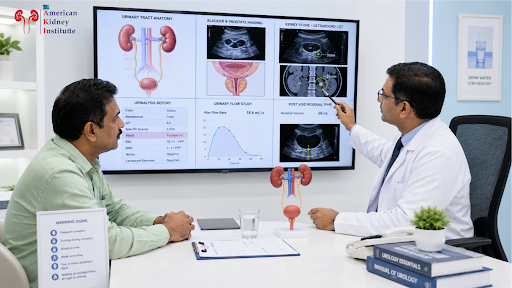
Signs You Should Not Ignore Before Visiting a Urologist Urological problems can affect the kidneys, ureters, bladder, urethra, prostate, and the male reproductive system. Some problems are temporary and easy to treat, while others may become more complicated when medical attention is delayed. Changes in urination are often the first sign that something may not be working normally. Frequent urination, difficulty starting urine, a weak stream, blood in urine, urinary leakage, pelvic pain, or repeated urinary infections should not simply be ignored. Many people wait because they feel the symptoms are minor or embarrassing. However, early evaluation can help identify the cause and prevent some problems from becoming more serious. It is also important to understand that urinary symptoms can sometimes overlap with kidney conditions. For example, people searching online for Chronic Kidney Disease Symptoms may notice changes such as swelling, changes in urination, fatigue, or blood in urine. These symptoms can have many causes and should not be used to diagnose CKD on their own. A urologist specializes in many conditions involving the urinary tract and male reproductive system. Depending on the symptoms, a urologist may evaluate kidney stones, urinary infections, prostate problems, urinary obstruction, bladder problems, urinary incontinence, and other conditions. This article explains the warning signs that should encourage you to seek urological care, what they may mean, what tests a urologist may recommend, and when symptoms require urgent medical attention. What Does a Urologist Treat? A urologist is a specialist who diagnoses and treats conditions involving the urinary system. The urinary system includes the kidneys, ureters, bladder, and urethra. Urologists also treat conditions involving the prostate, testes, penis, and other parts of the male reproductive system. Common reasons for visiting a urologist include kidney stones, urinary infections, blood in urine, difficulty urinating, prostate enlargement, urinary incontinence, urinary retention, and certain male reproductive health problems. A urologist may use medicines, lifestyle measures, minimally invasive procedures, surgery, or other treatments depending on the condition. The important point is that you do not need to wait until symptoms become severe before consulting a specialist. 1. Blood in Your Urine Seeing blood in your urine is one of the most important urinary symptoms that should be evaluated. Blood in urine is called hematuria. Sometimes the blood is clearly visible and can make urine appear pink, red, or brown. This is called gross hematuria. In other cases, blood can only be detected through urine testing and is called microscopic hematuria. Blood in urine can occur because of kidney stones, urinary infections, prostate problems, inflammation, trauma, or other urinary conditions. It does not automatically mean cancer. However, visible blood should not be assumed to be harmless. A urologist can determine whether further testing is needed. 2. Pain or Burning While Urinating A burning sensation while passing urine is another symptom that deserves attention, especially when it keeps occurring. Painful urination can happen with urinary tract infections, inflammation, prostate conditions, urinary stones, and other urinary problems. If the discomfort is accompanied by frequent urination, urgency, lower abdominal pain, fever, or blood in urine, evaluation becomes even more important. A urine test may help determine whether an infection is present. However, not every case of painful urination is caused by a UTI. If symptoms keep returning despite treatment, a urologist may investigate whether there is another underlying problem. 3. Frequent Urination Urinating more frequently than usual can happen for many reasons. Drinking large amounts of fluid, caffeine, certain medicines, pregnancy, diabetes, urinary infections, prostate problems, and bladder conditions can all affect urination frequency. If you suddenly need to use the bathroom much more often, especially if the change persists, it is worth discussing with a healthcare professional. NIDDK notes that frequent urination, including eight or more bathroom visits per day, can be a symptom requiring evaluation when it is associated with bladder problems. Frequent urination at night can also interfere with sleep and quality of life. A urologist can help determine whether the problem is related to the bladder, prostate, urinary tract, or another health condition. A Constant Urge to Urinate Do you frequently feel that you urgently need to urinate even when your bladder is not very full? This may be called urinary urgency. Urgency can occur with urinary tract infections, overactive bladder, bladder inflammation, stones, and other conditions. Some people experience urgency together with leakage. Others may repeatedly rush to the bathroom but pass only a small amount of urine. Persistent urgency should not simply become part of your daily routine. A urologist can investigate the cause and recommend appropriate treatment. 5. Difficulty Starting Urine Having trouble getting the urine stream started is known as urinary hesitancy. It can occur when there is resistance to urine flow or when the bladder does not contract effectively. In men, prostate enlargement is a common possible cause, particularly with increasing age. Other causes can include urethral narrowing, certain medicines, neurological conditions, and bladder problems. If starting urination becomes increasingly difficult, medical evaluation can help identify the cause before the problem progresses to significant urinary retention. 6. Weak or Interrupted Urine Stream A healthy urine stream should generally flow without excessive straining or repeated stopping. A weak or interrupted stream can be associated with prostate enlargement, urethral narrowing, bladder dysfunction, or other forms of urinary obstruction. Men with prostate enlargement may experience: A weaker urine stream than they previously had. Difficulty getting the stream started. Stopping and starting several times while urinating. Dribbling after finishing urination. A sensation that the bladder has not emptied completely. These symptoms are common reasons for urological evaluation. NIDDK lists weak urine flow, difficulty starting urination, dribbling, and incomplete bladder emptying among symptoms associated with prostate problems. 7. Feeling That Your Bladder Has Not Emptied After urinating, do you still feel as though there is urine left inside your bladder? This sensation can occur with urinary retention. Chronic urinary retention can develop gradually, and some people may have few symptoms. Possible signs include frequent urination in small amounts, difficulty starting

Kidney Stone Treatment in Vijayawada for Recurrent Kidney Stones

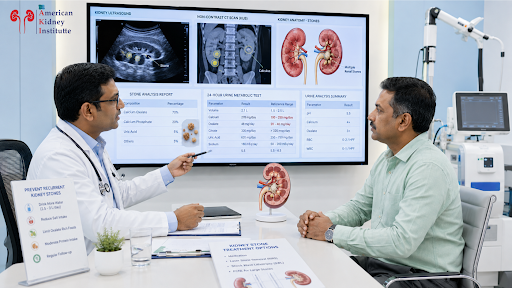
Kidney Stone Treatment in Vijayawada for Recurrent Kidney Stones Kidney stones can be extremely painful, but for people who experience them repeatedly, the problem can be much more than a single episode of pain. When stones keep coming back, it may indicate that certain factors in the urine, diet, metabolism, genetics, medications, or lifestyle are making stone formation more likely. A person who has had one kidney stone already has a higher chance of developing another. This makes prevention an important part of treatment rather than simply removing each stone whenever it appears. Recurrent kidney stones can also vary in size, location, and composition. Some small stones may pass naturally, while larger stones or stones causing blockage, infection, persistent pain, or kidney problems may require a procedure. Understanding why stones are forming is therefore an important step toward reducing future episodes. This is where a detailed evaluation becomes valuable. At American Kidney Institute, kidney-related concerns can be evaluated with attention to the patient’s medical history, kidney health, laboratory findings, and risk factors. For people searching for Kidney Stone Treatment in Vijayawada, it is important to understand that successful treatment is not only about removing the current stone. It is also about reducing the chances of another stone forming. What Are Kidney Stones? Kidney stones are hard, solid deposits that develop when certain minerals and substances become concentrated in urine and form crystals. These crystals can gradually grow into stones. Some stones remain inside the kidney without causing symptoms. Others move into the ureter, the tube that carries urine from the kidney to the bladder. When a stone blocks urine flow, it can cause severe pain. Common symptoms may include: Sharp pain in the side, back, lower abdomen, or groin that may come in waves as the stone moves through the urinary tract. Blood in the urine, which may make urine appear pink, red, brown, or darker than usual. Nausea or vomiting, particularly when the pain is severe. Pain or burning during urination, especially when the stone is close to the bladder. A frequent or urgent need to urinate when the stone is located lower in the urinary tract. Fever or chills, which can be particularly concerning because an obstructed urinary tract with infection may require urgent treatment. Not every kidney stone causes symptoms. Some are discovered incidentally during imaging performed for another reason. Why Do Kidney Stones Keep Coming Back? Recurrent stones can happen for several reasons. The urine may contain too much of a stone-forming substance, too little of a substance that normally prevents crystals from growing, or not enough water to keep minerals diluted. Diet can also influence stone risk. High sodium intake, certain patterns of animal protein consumption, inadequate fluid intake, and other dietary factors may increase the likelihood of stones in susceptible people. Medical conditions can also contribute. Some people have metabolic disorders, bowel conditions, genetic diseases, or urinary abnormalities that increase their risk. This is why recurrent stones should not simply be treated as isolated episodes. A detailed evaluation can help identify the factors that are contributing to recurrence. When Is a Kidney Stone Considered Recurrent? There is no need to wait for numerous stone episodes before discussing prevention. A person who has experienced multiple stone events, has multiple stones, or has a high-risk medical condition may benefit from a more detailed metabolic evaluation. The American Urological Association recommends additional metabolic testing for recurrent stone formers and selected high-risk patients. This can help determine whether the urine contains unusually high levels of calcium, oxalate, uric acid, or other substances associated with stone formation. The results can then be used to create a more individualized prevention plan. Why Recurrent Kidney Stones Need More Than Pain Treatment Pain relief is important during an acute kidney stone episode. However, treating pain does not address the reason the stone formed. If the underlying risk factors remain unchanged, another stone may develop later. This can create a repeated cycle: Stone formation → pain → treatment → temporary relief → another stone → another treatment. A better long-term approach is: Stone treatment → stone analysis → metabolic evaluation → targeted prevention → regular follow-up. The goal is to reduce future stone formation while protecting kidney and urinary tract health. How Are Recurrent Kidney Stones Diagnosed? Diagnosis usually begins with a detailed medical history. The doctor may ask about previous stone episodes, the size and location of earlier stones, previous procedures, family history, dietary habits, fluid intake, medications, and other medical conditions. Blood and urine tests can provide additional information. Imaging is often used to identify the location and size of existing stones and to look for obstruction or other urinary abnormalities. The combination of these findings helps determine the most appropriate treatment. Imaging Tests for Kidney Stones Imaging helps doctors understand where the stone is located and how large it is. Depending on the situation, imaging may include ultrasound, X-ray-based studies, or CT imaging. The choice depends on symptoms, clinical circumstances, previous imaging, age, pregnancy status, and other factors. Imaging can help answer important questions: Where is the stone located? How large is the stone? Is urine flow blocked? Are there multiple stones? Are stones present in both kidneys? Is there swelling of the kidney caused by obstruction? For recurrent stone patients, imaging can also help doctors monitor existing stones over time. Why Stone Analysis Is Important If a stone is passed naturally or removed during a procedure, it may be possible to analyze its composition. This is extremely useful for recurrent stone patients. Different stones have different causes and prevention strategies. Common stone types include: Calcium oxalate stones Calcium phosphate stones Uric acid stones Struvite or infection-related stones Cystine stones The American Urological Association recommends obtaining stone analysis at least once when a stone is available. Knowing the stone type can help doctors make more specific dietary and medical recommendations. What Is a 24-Hour Urine Test? A 24-hour urine collection can provide detailed information about the substances in the

Translate »