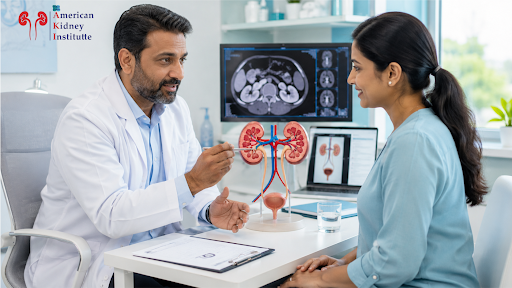
How to Choose the Best Kidney Stone Treatment in Vijayawada
Kidney stones are one of the most common urinary tract problems affecting people of all ages. The pain caused by a kidney stone can be sudden, severe, and difficult to ignore. While some small stones pass naturally with proper hydration and medication, larger stones often require medical treatment to prevent complications and protect kidney health.
If you or someone in your family is experiencing symptoms of kidney stones, choosing the right hospital and specialist is one of the most important decisions you can make. The quality of diagnosis, the availability of advanced treatment options, and the experience of the medical team all play a major role in ensuring a smooth recovery.
Finding the right Kidney Stone Treatment in Vijayawada is not just about removing the stone. It is also about identifying why the stone formed, preventing future stone formation, preserving kidney function, and helping you return to your normal life with confidence. When treatment is planned correctly, patients experience faster recovery, fewer complications, and a lower chance of recurrence.
This guide will help you understand everything you need to know before choosing a kidney stone treatment center. From understanding symptoms and diagnosis to comparing treatment options and knowing what to look for in a specialist, you will find practical information that helps you make informed healthcare decisions. Whether you are dealing with your first kidney stone or have experienced recurring stones in the past, knowing what to expect can reduce anxiety and improve treatment outcomes.
Understanding Kidney Stones
Kidney stones are hard mineral and salt deposits that develop inside the kidneys when certain substances in the urine become highly concentrated. Instead of dissolving and leaving the body naturally, these minerals stick together and gradually form crystals. Over time, these crystals grow into stones of different sizes.
Some kidney stones are as small as a grain of sand and may pass without causing significant discomfort. Others can grow much larger and block the urinary tract, leading to severe pain, infection, urinary problems, and even kidney damage if left untreated.
Kidney stones may remain inside the kidney without causing symptoms for some time. Problems usually begin when the stone moves into the ureter, the narrow tube connecting the kidney and the bladder. Since the ureter is much smaller than the kidney, even a moderately sized stone can block urine flow and trigger intense pain.
Understanding how kidney stones develop is the first step toward preventing them in the future. Many people believe kidney stones occur suddenly, but in reality, they often develop over several months or even years due to lifestyle habits, dietary choices, medical conditions, or inadequate water intake.
Why Choosing the Right Treatment Matters
Many people assume that kidney stones will pass naturally and that the pain will eventually disappear. While this may be true for very small stones, delaying treatment for larger stones can increase the risk of serious complications.
Choosing the right medical care at the right time offers several important advantages.
- Accurate diagnosis helps determine the exact size, location, and type of kidney stone, allowing doctors to recommend the safest and most effective treatment instead of relying on guesswork.
- Early treatment reduces severe pain, minimizes the risk of urinary tract infections, prevents blockage of urine flow, and protects the kidneys from long-term damage.
- Advanced technology allows many kidney stone procedures to be performed with minimally invasive techniques, reducing hospital stay, lowering discomfort, and helping patients recover more quickly.
- Personalized treatment plans consider factors such as the patient’s age, medical history, stone composition, previous kidney stone episodes, and overall kidney function to improve treatment success.
- Proper follow-up care focuses not only on removing the existing stone but also on preventing future stones through dietary advice, hydration guidance, lifestyle changes, and regular health monitoring.
Making an informed decision today can help avoid repeated hospital visits, emergency situations, and unnecessary discomfort in the future.
Common Causes of Kidney Stones
Kidney stones rarely develop because of a single reason. In most cases, several factors work together to increase the risk of stone formation. Understanding these causes can help reduce the chances of recurrence.
Not Drinking Enough Water
One of the biggest reasons for kidney stone formation is dehydration. When the body does not receive enough water, urine becomes concentrated, allowing minerals such as calcium, oxalate, and uric acid to crystallize more easily.
People living in hot climates or those who sweat excessively without replacing lost fluids are at a higher risk of developing kidney stones.
Unhealthy Eating Habits
Daily food choices can significantly influence kidney stone formation.
- Consuming excessive salt increases calcium levels in urine, making stone formation more likely.
- Eating large quantities of processed foods often increases sodium intake beyond healthy limits.
- Diets rich in animal protein may increase uric acid production, contributing to certain types of kidney stones.
- Frequently consuming foods high in oxalates without maintaining proper hydration may also increase risk in susceptible individuals.
Maintaining a balanced diet is one of the simplest yet most effective preventive measures.
Family History
Genetics also plays an important role. Individuals with close family members who have experienced kidney stones are generally at a greater risk of developing them during their lifetime.
Although genetics cannot be changed, lifestyle improvements and regular medical check-ups can significantly reduce the likelihood of recurrence.
Certain Medical Conditions
Several health conditions can increase the chances of kidney stone formation, including chronic dehydration, obesity, recurrent urinary tract infections, gout, hyperparathyroidism, digestive disorders, and certain metabolic diseases.
Managing these underlying conditions effectively can lower the risk of developing future stones.
Certain Medications
Some medications and nutritional supplements may contribute to kidney stone formation when used for prolonged periods. Calcium supplements, high-dose vitamin C supplements, certain diuretics, and some medications used for specific medical conditions may increase stone risk in susceptible individuals.
Your doctor can review your medications and recommend safer alternatives if necessary.
Who Is More Likely to Develop Kidney Stones?
Although kidney stones can affect anyone, certain groups of people are more vulnerable than others.
- Adults between the ages of 20 and 60 often experience kidney stones due to lifestyle factors, dietary habits, and metabolic changes.
- Individuals who do not drink enough water during the day are more likely to develop concentrated urine, increasing the chances of stone formation.
- People with obesity or metabolic disorders may have changes in urine chemistry that encourage stone development.
- Those with a previous history of kidney stones have a significantly higher risk of experiencing another episode if preventive measures are not followed consistently.
- Individuals with a family history of kidney stones should pay extra attention to hydration, nutrition, and routine health check-ups because genetics can increase susceptibility.
Recognizing these risk factors early allows people to take preventive steps before kidney stones become a serious health problem.
Symptoms of Kidney Stones You Should Never Ignore
Kidney stones may remain unnoticed while they stay inside the kidney. However, once a stone starts moving through the urinary tract, it can cause intense discomfort and interfere with the normal flow of urine. The symptoms can vary depending on the size and location of the stone, but they should never be ignored.
Recognizing the warning signs early helps you seek medical care before complications develop. Early diagnosis also increases the chances of receiving less invasive treatment and recovering more quickly.
Severe Pain in the Back or Side
The most common symptom of a kidney stone is sudden, severe pain that begins in the side or lower back. This pain often comes in waves because the muscles of the ureter contract as they try to push the stone toward the bladder.
Some people describe kidney stone pain as one of the most intense types of pain they have ever experienced. The discomfort may shift from the back to the lower abdomen or groin as the stone moves through the urinary tract.
Ignoring this symptom can delay treatment and increase the risk of urinary blockage.
Pain While Passing Urine
When a kidney stone reaches the lower part of the urinary tract, it may cause pain or a burning sensation during urination.
This symptom is sometimes mistaken for a urinary tract infection, but both conditions require proper medical evaluation. Persistent pain while urinating should always be investigated by a healthcare professional.
Blood in the Urine
A kidney stone can scratch the lining of the urinary tract as it moves, leading to blood in the urine.
The urine may appear:
- Pink
- Red
- Brown
- Slightly cloudy with traces of blood
Sometimes, the blood is not visible to the naked eye and is detected only through laboratory testing.
Frequent Urination
Many patients notice they need to urinate more often than usual.
This happens because the stone irritates the urinary tract or moves closer to the bladder. Frequent urination may occur even when very little urine is passed.
If this symptom continues for more than a day or is associated with severe pain, medical evaluation becomes important.
Nausea and Vomiting
The kidneys and digestive system share nerve connections. As a result, severe kidney stone pain may trigger nausea or vomiting.
These symptoms often occur during painful episodes and may lead to dehydration if they continue for a long time.
Proper hydration and timely treatment help reduce these symptoms.
Fever and Chills
Fever is not a normal symptom of a kidney stone alone.
If fever and chills develop along with kidney stone pain, it may indicate a urinary tract infection. This combination requires immediate medical attention because untreated infections can spread to the kidneys and bloodstream.
Never delay treatment if fever accompanies severe kidney stone symptoms.
When Should You See a Doctor Immediately?
Many people try home remedies first, hoping the stone will pass naturally. While this may work for very small stones, certain situations require urgent medical care.
Seek medical attention immediately if you experience:
- Severe pain that does not improve with rest or prescribed pain medication and prevents you from carrying out normal daily activities.
- Blood in the urine that continues repeatedly or becomes heavier over time instead of improving.
- Fever, chills, or persistent vomiting along with severe pain, as these symptoms may indicate an infection requiring emergency treatment.
- Difficulty passing urine, very little urine output, or complete inability to urinate, which may suggest a blockage in the urinary tract.
- Persistent pain lasting several hours without relief, especially if accompanied by swelling, weakness, or dizziness.
Receiving timely Kidney Stone Treatment in Vijayawada can help prevent kidney damage and reduce the need for more complex procedures later.
How Kidney Stones Are Diagnosed
Choosing the right treatment begins with an accurate diagnosis. A detailed evaluation helps doctors understand the size, location, and type of kidney stone, allowing them to recommend the most suitable treatment plan.
Diagnosis involves a combination of medical history, physical examination, laboratory tests, and imaging studies.
Rather than treating every patient the same way, doctors carefully evaluate each case to ensure the safest and most effective approach.
Medical History and Physical Examination
The first step is understanding the patient’s symptoms and overall health.
During the consultation, the doctor may ask questions about:
- When the pain started and whether it comes in waves or remains constant throughout the day.
- The exact location of the pain and whether it spreads to the lower abdomen or groin.
- Previous episodes of kidney stones or urinary tract infections.
- Daily water intake, dietary habits, and family history of kidney stones.
- Existing medical conditions such as diabetes, gout, obesity, or high blood pressure that may increase the risk of stone formation.
A physical examination helps identify areas of tenderness and provides additional information about the patient’s condition.
Urine Tests
Urine testing plays an important role in diagnosing kidney stones and identifying possible causes.
A urine test can help detect:
- Blood that may not be visible without laboratory testing.
- Signs of urinary tract infection.
- Crystals that indicate the type of minerals forming the stone.
- Excess calcium, uric acid, or other substances that increase the risk of kidney stone formation.
In some patients, a 24-hour urine collection is recommended to understand why stones keep recurring.
This test helps doctors create a personalized prevention plan.
Blood Tests
Blood investigations provide valuable information about kidney function and overall health.
Doctors may recommend blood tests to evaluate:
- Kidney function.
- Calcium levels.
- Uric acid levels.
- Signs of infection.
- Electrolyte balance.
These results help determine whether additional treatment or lifestyle modifications are needed after stone removal.
Imaging Tests
Imaging studies provide a clear picture of the kidney stone’s location and size.
Different imaging techniques may be used depending on the patient’s condition.
Ultrasound
Ultrasound is a safe, painless, and radiation-free imaging method.
It is commonly used for:
- Pregnant women.
- Initial kidney stone evaluation.
- Monitoring kidney swelling caused by urinary blockage.
Although ultrasound is highly useful, very small stones may sometimes require additional imaging.
CT Scan
A CT scan is considered one of the most accurate methods for detecting kidney stones.
It provides detailed information about:
- Stone size.
- Exact location.
- Number of stones.
- Degree of urinary blockage.
- Kidney condition.
CT scans help doctors select the most appropriate treatment approach.
X-Ray
Certain kidney stones are visible on X-rays.
Although X-rays are less detailed than CT scans, they may be used to monitor stone movement during treatment or follow-up visits.
Why Accurate Diagnosis Is So Important
Many urinary problems produce symptoms similar to kidney stones.
Without proper testing, conditions such as urinary tract infections, appendicitis, gallbladder disease, or bladder disorders may be mistaken for kidney stones.
An accurate diagnosis offers several important benefits.
- It identifies the exact size and location of the stone, helping doctors decide whether medication, observation, or a procedure is needed.
- It prevents unnecessary treatments by confirming the actual cause of pain before beginning therapy.
- It helps determine the type of stone, allowing patients to receive personalized dietary advice and preventive strategies.
- It reduces the risk of complications by detecting urinary blockage, infection, or reduced kidney function at an early stage.
At American Kidney Institute, patients undergo a thorough evaluation before treatment is recommended. This patient-focused approach helps ensure that every individual receives care based on their specific medical condition rather than a one-size-fits-all solution.
Can Kidney Stones Pass Naturally?
One of the most common questions patients ask is whether surgery is always necessary.
The answer depends on several factors, including the size, location, and type of kidney stone.
Very small stones may pass naturally with:
- Adequate hydration throughout the day.
- Prescribed medications that relax the urinary tract.
- Pain management under medical supervision.
- Regular follow-up imaging to monitor stone movement.
However, larger stones or stones causing severe pain, infection, or urinary blockage often require medical procedures for safe removal.
Choosing the right Kidney Stone Treatment in Vijayawada at the right time helps avoid prolonged discomfort and protects kidney function.
Treatment Options for Kidney Stones
Not every kidney stone requires surgery, and not every patient needs the same type of treatment. The best treatment depends on several factors, including the size of the stone, its location, the severity of symptoms, whether there is an infection, and the overall health of the patient.
The main goal of treatment is not only to remove the stone but also to relieve pain, restore normal urine flow, protect kidney function, and reduce the risk of future stone formation.
If you are searching for Kidney Stone Treatment in Vijayawada, understanding the available treatment options can help you discuss the most suitable approach with your doctor.
1. Conservative Treatment for Small Kidney Stones
Small kidney stones, usually less than 5 mm in size, may pass naturally without requiring a surgical procedure. In such cases, the doctor may recommend conservative treatment while closely monitoring your condition.
Conservative treatment focuses on helping the stone pass safely while reducing discomfort. It usually includes:
- Drinking enough water throughout the day to increase urine production, which can help flush the stone through the urinary tract naturally. Staying well hydrated is one of the most effective ways to support stone passage.
- Taking prescribed pain-relieving medications to manage discomfort during the stone’s movement. Since kidney stone pain can come in waves, proper pain control helps patients remain comfortable during recovery.
- Using medications that relax the muscles of the ureter. These medicines can make it easier for the stone to move toward the bladder and leave the body naturally.
- Attending regular follow-up appointments with imaging tests to ensure the stone is progressing and not causing a blockage or damage to the kidney.
Although many small stones pass successfully, patients should continue medical supervision until the stone has completely cleared.
2. Extracorporeal Shock Wave Lithotripsy (ESWL)
ESWL is one of the most commonly used non-invasive treatments for kidney stones. It is recommended for selected patients with stones that are not too large and are located in suitable positions within the kidney or upper ureter.
This procedure uses carefully focused shock waves from outside the body to break the stone into much smaller fragments. These tiny pieces then pass naturally through urine over the following days or weeks.
Benefits of ESWL
- No surgical incision is required, making it a less invasive treatment option.
- Most patients can return home on the same day after the procedure.
- Recovery time is generally shorter compared to open surgery.
- It effectively treats many small to medium-sized kidney stones.
Things to Remember
Although ESWL is highly effective, it may not be suitable for every patient. Very large stones, extremely hard stones, or stones located in certain parts of the urinary tract may require other treatment methods.
3. Ureteroscopy (URS)
Ureteroscopy is a minimally invasive procedure used to remove stones located in the ureter or inside the kidney.
During this procedure, a thin instrument called a ureteroscope is passed through the natural urinary passage without making any external cuts. Once the stone is located, specialized instruments or laser energy are used to break it into smaller pieces or remove it completely.
Advantages of URS
- No external incision is needed.
- High success rate for ureteric stones.
- Suitable for stones that cannot pass naturally.
- Faster recovery compared with traditional surgery.
- Patients usually experience less postoperative discomfort.
Many patients return to their routine activities within a few days after the procedure.
4. Retrograde Intrarenal Surgery (RIRS)
RIRS is one of the most advanced minimally invasive treatments available for kidney stones.
A flexible scope is carefully guided through the urinary tract into the kidney. Once the stone is identified, laser technology is used to break it into tiny fragments, which are then removed or allowed to pass naturally.
RIRS is particularly useful for patients with stones that are difficult to treat using ESWL.
Why RIRS Is Becoming Popular
- It requires no external cuts or stitches.
- It offers excellent precision in reaching stones located deep inside the kidney.
- The procedure causes minimal tissue damage.
- Recovery is generally quick, allowing patients to resume normal activities sooner.
- The risk of postoperative complications is relatively low when performed by experienced specialists.
Many patients appreciate RIRS because it combines advanced technology with patient comfort.
5. Percutaneous Nephrolithotomy (PCNL)
PCNL is usually recommended for larger kidney stones that cannot be treated effectively with ESWL or ureteroscopy.
During this procedure, the surgeon creates a very small opening in the back to reach the kidney directly. A special instrument is then used to break and remove the stone.
Although PCNL is more invasive than other minimally invasive procedures, it remains one of the most effective treatments for large or complex kidney stones.
Benefits of PCNL
- Removes large stones efficiently.
- High success rate even for complex kidney stones.
- Reduces the need for multiple procedures.
- Helps restore normal kidney drainage.
- Provides excellent stone clearance in a single treatment for many patients.
Patients may need to stay in the hospital for a short period after PCNL for observation and recovery.
6. Laser Kidney Stone Treatment
Laser technology has transformed the way kidney stones are treated.
During laser treatment, a thin fiber delivers high-energy laser pulses directly to the stone. The laser breaks the stone into tiny dust-like particles that can either be removed immediately or pass naturally through urine.
Laser treatment is widely used during URS and RIRS procedures because of its precision and effectiveness.
Advantages of Laser Treatment
- Highly accurate stone fragmentation.
- Suitable for different types of kidney stones.
- Reduced damage to surrounding tissues.
- Lower risk of complications.
- Faster recovery for most patients.
This advanced approach has become a preferred choice for many patients requiring minimally invasive stone removal.
Which Treatment Is Right for You?
Every patient is different, and there is no single treatment that is best for everyone. The right option depends on several medical factors.
Your doctor will carefully evaluate:
- The exact size of the kidney stone because larger stones often require different treatment methods than smaller ones.
- The location of the stone within the kidney or urinary tract, as this influences which procedure is most effective.
- The composition of the stone, since certain stone types respond better to specific treatments.
- Your age, overall health, and kidney function to ensure the chosen treatment is safe and appropriate.
- Whether there is a urinary tract infection or blockage that requires urgent intervention before stone removal.
Choosing the most suitable treatment after a thorough evaluation helps improve outcomes and reduces the likelihood of future complications.
What Happens After Kidney Stone Treatment?
Recovery does not end once the stone has been removed. Proper post-treatment care plays an essential role in preventing recurrence and supporting long-term kidney health.
After treatment, your doctor may recommend:
- Drinking adequate amounts of water every day to help flush the urinary system and reduce the risk of new stone formation.
- Taking prescribed medications exactly as directed to manage discomfort, prevent infection, or reduce the likelihood of future stones.
- Following a balanced diet that limits excessive salt, processed foods, and foods that may contribute to stone formation based on your specific stone type.
- Attending follow-up appointments to monitor kidney health and confirm that all stone fragments have been cleared successfully.
- Undergoing additional laboratory tests or imaging studies if needed to evaluate recovery and identify any remaining risk factors.
At the American Kidney Institute, treatment does not stop with stone removal. Patients receive guidance on lifestyle changes, dietary modifications, hydration, and follow-up care to help prevent kidney stones from returning and to support healthy kidney function for the future.
How to Choose the Best Kidney Stone Treatment in Vijayawada
Choosing the right treatment center is one of the most important decisions you can make after being diagnosed with a kidney stone. While many treatment options are available today, the quality of care depends on the expertise of the medical team, the accuracy of the diagnosis, and the availability of advanced technology.
The right healthcare provider will not only remove the existing kidney stone but will also help identify why it formed and guide you on how to prevent future stones. This comprehensive approach protects your kidneys and improves your overall quality of life.
If you are looking for Kidney Stone Treatment in Vijayawada, consider the following factors before making your decision.
Choose an Experienced Urology Team
The experience of the treating doctor plays a major role in successful kidney stone management. An experienced urologist can accurately diagnose the condition, recommend the most appropriate treatment, and manage any complications that may arise.
Look for a healthcare team that has experience in treating different types of kidney stones, including small stones, large stones, recurrent stones, and complex cases. Experienced specialists are also better equipped to recommend minimally invasive procedures whenever possible, helping patients recover faster and return to their normal routine sooner.
Look for Advanced Diagnostic Facilities
A proper diagnosis is the foundation of effective treatment. Hospitals with modern diagnostic facilities can identify the exact size, location, and type of kidney stone, allowing doctors to create a personalized treatment plan.
Advanced imaging techniques, laboratory testing, and comprehensive evaluations help ensure that treatment decisions are based on accurate information rather than assumptions. This reduces unnecessary procedures and improves treatment outcomes.
Check Whether Multiple Treatment Options Are Available
Every kidney stone is different, and treatment should be tailored to the patient’s individual needs.
A good hospital should offer a range of treatment options, including medication, ESWL, ureteroscopy, RIRS, PCNL, and laser stone removal. Having multiple treatment choices allows doctors to recommend the safest and most effective option instead of relying on a single technique for every patient.
This personalized approach increases the chances of complete stone removal while minimizing discomfort and recovery time.
Choose a Hospital That Focuses on Prevention
Removing the stone is only one part of successful treatment. Preventing future stones is equally important.
The best kidney stone care includes guidance on:
- Maintaining proper hydration throughout the day to reduce the concentration of minerals in the urine.
- Following dietary recommendations based on the type of kidney stone you have experienced.
- Managing underlying medical conditions such as diabetes, obesity, gout, or recurrent urinary tract infections.
- Scheduling regular follow-up visits to monitor kidney health and detect any new stone formation at an early stage.
A hospital that focuses on prevention helps patients reduce the chances of experiencing repeated kidney stone episodes.
Consider the Quality of Patient Care
Good medical care goes beyond performing procedures. Patients should feel comfortable asking questions, understanding their diagnosis, and participating in treatment decisions.
Choose a healthcare provider that offers:
- Clear communication about your condition and available treatment options.
- Individualized treatment plans based on your health needs.
- Compassionate support before, during, and after treatment.
- Detailed recovery instructions and long-term preventive guidance.
When patients understand their condition, they are more likely to follow treatment recommendations and achieve better health outcomes.
Why Early Treatment Makes a Difference
Many people postpone treatment because the pain comes and goes. Unfortunately, delaying medical care can allow the stone to grow larger or cause serious complications.
Early treatment provides several important advantages.
- It reduces severe pain before it begins affecting your daily activities or quality of life.
- It prevents urinary blockage that could damage the kidneys if left untreated.
- It lowers the risk of developing urinary tract infections and other complications.
- It increases the chances of using minimally invasive procedures instead of more extensive surgery.
- It helps preserve long-term kidney function by addressing the problem before permanent damage occurs.
Seeking timely Kidney Stone Treatment in Vijayawada can make the treatment process simpler, safer, and more effective.
How to Prevent Kidney Stones from Coming Back
Even after successful treatment, kidney stones can return if preventive measures are not followed. Fortunately, many recurrences can be avoided through healthy lifestyle habits and regular medical follow-up.
Stay Well Hydrated
Drinking enough water is one of the most effective ways to prevent kidney stones.
Aim to drink enough fluids throughout the day so that your urine remains light yellow or nearly clear. Adequate hydration helps dilute minerals in the urine and reduces the chances of crystal formation.
People who work outdoors, exercise regularly, or live in hot weather may need additional fluids to replace water lost through sweating.
Follow a Balanced Diet
Your daily diet plays a significant role in kidney stone prevention.
A healthy eating plan should include:
- Fresh fruits and vegetables that provide essential vitamins, minerals, and dietary fiber.
- Moderate amounts of calcium from natural food sources, unless otherwise advised by your doctor.
- Limited intake of processed foods that contain excessive amounts of sodium.
- Controlled portions of animal protein such as red meat, depending on the type of kidney stone.
Following dietary recommendations specific to your stone type can significantly reduce recurrence.
Reduce Salt Intake
High sodium intake increases the amount of calcium excreted in the urine, making stone formation more likely.
Simple ways to reduce salt include:
- Cooking meals at home whenever possible.
- Reading nutrition labels before purchasing packaged foods.
- Limiting salty snacks, pickles, and processed foods.
Reducing sodium benefits both kidney health and overall cardiovascular health.
Maintain a Healthy Body Weight
Obesity has been linked to an increased risk of kidney stone formation.
Maintaining a healthy weight through regular physical activity and balanced nutrition supports healthy kidney function and reduces several other health risks, including diabetes and high blood pressure.
Even small lifestyle improvements can have long-term health benefits.
Do Not Ignore Recurrent Symptoms
If you have previously had kidney stones, pay attention to any recurring symptoms such as back pain, blood in the urine, or discomfort while passing urine.
Seeking medical advice early can prevent a small stone from becoming a larger and more complicated problem.
Regular follow-up visits are especially important for individuals who have experienced multiple kidney stone episodes.
The Importance of Regular Follow-Up
Many patients feel completely recovered after their kidney stone has been removed. However, follow-up care remains an essential part of long-term kidney health.
Routine medical evaluations help:
- Confirm that no stone fragments remain in the urinary tract after treatment.
- Monitor kidney function and identify any changes at an early stage.
- Detect new stone formation before symptoms become severe.
- Adjust dietary recommendations and preventive strategies based on laboratory findings.
- Reduce the likelihood of emergency hospital visits caused by recurrent kidney stones.
At American Kidney Institute, patients receive comprehensive follow-up care designed to support lasting kidney health. From advanced diagnostic evaluations to personalized treatment plans and preventive guidance, the focus is on helping patients achieve complete recovery while reducing the risk of future stone formation.
Why Choose the American Kidney Institute for Kidney Stone Care?
Choosing the right healthcare provider can make a significant difference in your treatment journey. Kidney stone management is not just about removing the stone—it is about identifying the cause, protecting kidney function, preventing future stones, and helping you return to your normal life with confidence.
At American Kidney Institute, patients receive comprehensive kidney stone care that focuses on accurate diagnosis, advanced treatment, and long-term prevention. Every treatment plan is designed according to the patient’s medical condition, stone size, stone location, and overall kidney health.
Patients benefit from a complete approach that includes modern diagnostic facilities, minimally invasive treatment options, personalized guidance, and continuous follow-up care. The goal is to provide safe, effective, and patient-centered treatment while ensuring comfort throughout the recovery process.
Whether you are experiencing kidney stones for the first time or have had recurring stones in the past, receiving timely medical attention can reduce complications and improve long-term kidney health.
Conclusion
Kidney stones can cause severe pain and disrupt your daily life, but with early diagnosis and the right treatment, they can be managed successfully. Understanding the symptoms, recognizing the warning signs, and seeking medical care without delay are important steps toward protecting your kidneys.
Choosing the right treatment involves more than simply removing the stone. It means selecting a healthcare provider that offers accurate diagnosis, advanced treatment options, experienced specialists, and personalized follow-up care. These factors help improve treatment success and reduce the chances of future kidney stone formation.
If you are looking for Kidney Stone Treatment in Vijayawada, take the time to choose a hospital that focuses on both effective treatment and long-term prevention. Making an informed decision today can help you avoid unnecessary pain, protect your kidney function, and enjoy a healthier future.
At American Kidney Institute, every patient receives individualized care with a strong focus on advanced treatment, patient education, and preventive strategies. With expert medical support and modern technology, the team is committed to helping patients achieve lasting relief and maintain healthy kidneys for years to come.
Frequently Asked Questions (FAQs)
1. What are the first signs of kidney stones?
The earliest signs of kidney stones usually include severe pain in the side or lower back, pain while passing urine, blood in the urine, and frequent urination. Some people may also experience nausea or vomiting. Seeking medical attention early can help prevent complications.
2. Can kidney stones be treated without surgery?
Yes. Small kidney stones can often pass naturally with adequate hydration, prescribed medications, and regular medical supervision. However, larger stones or stones causing severe pain, infection, or blockage may require minimally invasive procedures for safe removal.
3. Which treatment is best for kidney stones?
The best treatment depends on the size, location, and type of kidney stone, as well as the patient’s overall health. A doctor may recommend medication, ESWL, ureteroscopy, RIRS, PCNL, or laser treatment after a detailed evaluation.
4. How can I prevent kidney stones from coming back?
Drinking enough water every day, following a balanced diet, reducing salt intake, maintaining a healthy weight, and attending regular follow-up appointments can significantly lower the risk of future kidney stones. Your doctor may also recommend dietary changes based on the type of stone.
5. How long does recovery take after kidney stone treatment?
Recovery time depends on the type of treatment performed. Many minimally invasive procedures allow patients to resume normal activities within a few days, while larger procedures may require a slightly longer recovery period. Following your doctor’s advice helps ensure a smooth recovery.
6. When should I visit a doctor for kidney stone symptoms?
You should seek immediate medical attention if you experience severe back or side pain, blood in the urine, fever, chills, persistent vomiting, or difficulty passing urine. Early diagnosis and treatment help protect kidney function and reduce the risk of complications.