Best Kidney Hospital in Vijayawada

డయాలసిస్ అంటే ఏమిటి? పూర్తి సమాచారం మరియు చికిత్సకు మార్గదర్శిని

డయాలసిస్ అంటే ఏమిటి? పూర్తి సమాచారం మరియు చికిత్సకు మార్గదర్శిని మన శరీరంలో కిడ్నీలు ప్రతి క్షణం ఎంతో కీలకమైన పనిని నిర్వహిస్తుంటాయి. అవి రక్తంలో పేరుకుపోయే వ్యర్థ పదార్థాలను తొలగించడం మాత్రమే కాదు, అదనపు నీటిని బయటకు పంపించడం, శరీరంలో ఖనిజాల సమతుల్యతను కాపాడడం, రక్తపోటును నియంత్రించడంలో సహాయపడటం మరియు ఎర్ర రక్తకణాల ఉత్పత్తికి అవసరమైన కొన్ని హార్మోన్లను తయారు చేయడం వంటి ముఖ్యమైన బాధ్యతలను కూడా నిర్వహిస్తాయి. కిడ్నీలు ఆరోగ్యంగా ఉన్నంత వరకు మన శరీరం సహజంగా శుభ్రంగా పనిచేస్తుంది. అయితే కొన్ని ఆరోగ్య సమస్యలు, దీర్ఘకాలిక వ్యాధులు లేదా ఆకస్మిక కిడ్నీ గాయాల వల్ల కిడ్నీలు తమ పనితీరును కోల్పోవచ్చు. అప్పుడు శరీరంలో వ్యర్థ పదార్థాలు, విషపదార్థాలు మరియు అదనపు ద్రవాలు పేరుకుపోయి గుండె, ఊపిరితిత్తులు, మెదడు వంటి ఇతర అవయవాలపై కూడా ప్రభావం చూపే ప్రమాదం ఉంటుంది. అలాంటి పరిస్థితిలో ప్రాణాలను కాపాడే ముఖ్యమైన చికిత్స డయాలసిస్. చాలామందికి డయాలసిస్ అంటే జీవితాంతం ఆసుపత్రికి వెళ్లాల్సిందే అనే అపోహ ఉంటుంది. కానీ ప్రతి రోగి పరిస్థితి ఒకేలా ఉండదు. కొంతమందికి ఇది తాత్కాలికంగా అవసరం అవుతుంది. మరికొందరికి దీర్ఘకాలిక కిడ్నీ వ్యాధి కారణంగా క్రమం తప్పకుండా చేయించుకోవాల్సి రావచ్చు. సరైన సమయంలో చికిత్స ప్రారంభిస్తే రోగులు సాధారణ జీవితాన్ని కొనసాగించే అవకాశాలు మెరుగుపడతాయి. ఈ వ్యాసంలో డయాలసిస్ అంటే ఏమిటి, ఎప్పుడు అవసరం అవుతుంది, దాని రకాలు, ప్రయోజనాలు, చికిత్స సమయంలో పాటించాల్సిన జాగ్రత్తలు మరియు ఆరోగ్యకరమైన జీవనశైలి గురించి పూర్తి వివరాలను సులభమైన భాషలో తెలుసుకుందాం. కిడ్నీలు మన శరీరంలో చేసే ముఖ్యమైన పనులు కిడ్నీలు కేవలం మూత్రాన్ని తయారు చేసే అవయవాలు మాత్రమే కాదు. అవి రోజుకు వందల లీటర్ల రక్తాన్ని ఫిల్టర్ చేస్తూ శరీరాన్ని ఆరోగ్యంగా ఉంచడంలో కీలక పాత్ర పోషిస్తాయి. కిడ్నీల పనితీరు సరిగ్గా ఉంటే శరీరంలోని ప్రతి అవయవం సమతుల్యంగా పనిచేయడానికి సహాయపడుతుంది. కిడ్నీలు నిర్వహించే ప్రధాన పనులు: రక్తంలో పేరుకుపోయే యూరియా, క్రియాటినిన్ వంటి వ్యర్థ పదార్థాలను నిరంతరం తొలగించి శరీరాన్ని విషపదార్థాల నుంచి రక్షించడం వల్ల ఇతర అవయవాల పనితీరు కూడా సక్రమంగా కొనసాగుతుంది. శరీరంలో అవసరానికి మించిన నీరు మరియు ఉప్పును మూత్రం ద్వారా బయటకు పంపించడం ద్వారా వాపు, శ్వాస తీసుకోవడంలో ఇబ్బందులు మరియు ద్రవాల అసమతుల్యతను నివారించడంలో సహాయపడుతుంది. సోడియం, పొటాషియం, కాల్షియం వంటి ఖనిజాల స్థాయిని సమతుల్యంగా ఉంచి కండరాలు, నరాలు మరియు గుండె సక్రమంగా పనిచేయడానికి అవసరమైన వాతావరణాన్ని కల్పిస్తుంది. రక్తపోటును నియంత్రించే హార్మోన్ల ఉత్పత్తిలో భాగస్వామ్యం కావడం ద్వారా గుండె ఆరోగ్యాన్ని కూడా పరోక్షంగా కాపాడుతుంది. ఎర్ర రక్తకణాల ఉత్పత్తికి అవసరమైన ఎరిథ్రోపోయెటిన్ అనే హార్మోన్‌ను ఉత్పత్తి చేసి రక్తహీనతను తగ్గించడంలో సహాయపడుతుంది. విటమిన్ Dని క్రియాశీల రూపంలోకి మార్చి ఎముకలు బలంగా ఉండేందుకు అవసరమైన కాల్షియం శోషణకు మద్దతు ఇస్తుంది. ఈ పనుల్లో ఏదైనా గణనీయంగా దెబ్బతింటే శరీరంలో అనేక ఆరోగ్య సమస్యలు ప్రారంభమవుతాయి. అందుకే కిడ్నీ ఆరోగ్యాన్ని నిర్లక్ష్యం చేయకూడదు. కిడ్నీల పనితీరు తీవ్రంగా తగ్గిపోయినప్పుడు రోగి ఆరోగ్యాన్ని కాపాడేందుకు డయాలసిస్ వంటి చికిత్స అవసరం కావచ్చు. డయాలసిస్ అంటే ఏమిటి? కిడ్నీలు రక్తాన్ని శుభ్రపరచలేని పరిస్థితిలో వాటి పనిని కృత్రిమంగా నిర్వహించే వైద్య విధానాన్ని డయాలసిస్ అంటారు. ఈ చికిత్సలో రక్తంలోని వ్యర్థ పదార్థాలు, అదనపు ద్రవాలు మరియు శరీరానికి హానికరమైన టాక్సిన్లను తొలగించి రక్తాన్ని శుభ్రపరుస్తారు. ఇది కిడ్నీలకు ప్రత్యామ్నాయంగా పనిచేసే చికిత్స అయినప్పటికీ, సహజ కిడ్నీల పనిని పూర్తిగా భర్తీ చేయదు. సరైన సమయంలో నెఫ్రాలజిస్ట్ సలహాతో ఈ చికిత్స ప్రారంభించడం వల్ల అనేక సమస్యలను నియంత్రించవచ్చు మరియు రోగి జీవన నాణ్యతను మెరుగుపరచవచ్చు. American Kidney Institute లో ప్రతి రోగి ఆరోగ్య పరిస్థితిని సమగ్రంగా పరిశీలించి, వారి కిడ్నీ పనితీరు, వైద్య చరిత్ర మరియు జీవనశైలిని దృష్టిలో ఉంచుకుని వ్యక్తిగత అవసరాలకు అనుగుణమైన చికిత్స ప్రణాళికను రూపొందిస్తారు. డయాలసిస్ ఎప్పుడు అవసరం అవుతుంది? ప్రతి కిడ్నీ వ్యాధి ఉన్న వ్యక్తికి వెంటనే డయాలసిస్ అవసరం అవుతుందని భావించడం సరైంది కాదు. కిడ్నీల పనితీరు ఎంతవరకు తగ్గింది, రోగిలో కనిపిస్తున్న లక్షణాలు, రక్త పరీక్షల ఫలితాలు మరియు మొత్తం ఆరోగ్య పరిస్థితిని పరిశీలించిన తర్వాతే నెఫ్రాలజిస్ట్ ఈ చికిత్సను సూచిస్తారు. కొన్ని సందర్భాల్లో మందులు, ఆహార నియంత్రణ మరియు జీవనశైలి మార్పులతో కిడ్నీ పనితీరును కొంతకాలం వరకు కాపాడుకోవచ్చు. అయితే కిడ్నీలు రక్తాన్ని శుభ్రపరచలేని దశకు చేరుకున్నప్పుడు ఆలస్యం చేయకుండా చికిత్స ప్రారంభించడం అత్యంత అవసరం. సాధారణంగా కిడ్నీల పనితీరు 10 నుండి 15 శాతం వరకు మాత్రమే మిగిలినప్పుడు లేదా శరీరంలో వ్యర్థ పదార్థాలు ప్రమాదకర స్థాయిలో పేరుకుపోయినప్పుడు డయాలసిస్ అవసరం కావచ్చు. కొంతమందిలో లక్షణాలు స్పష్టంగా కనిపిస్తాయి. మరికొందరిలో ఎలాంటి లక్షణాలు లేకపోయినా రక్త పరీక్షల్లో తీవ్రమైన మార్పులు కనిపించవచ్చు. అందుకే కేవలం లక్షణాల ఆధారంగా నిర్ణయం తీసుకోకుండా వైద్యుల సలహా తీసుకోవడం చాలా ముఖ్యం. డయాలసిస్ అవసరమని సూచించే లక్షణాలు కిడ్నీల పనితీరు గణనీయంగా తగ్గినప్పుడు శరీరం కొన్ని హెచ్చరిక సంకేతాలను ఇస్తుంది. ఈ లక్షణాలను నిర్లక్ష్యం చేయకుండా వెంటనే వైద్యులను సంప్రదించాలి. శరీరంలో అదనపు ద్రవం పేరుకుపోవడం వల్ల కాళ్లు, పాదాలు, చేతులు లేదా ముఖంలో వాపు కనిపించడం, అలాగే శ్వాస తీసుకోవడంలో ఇబ్బంది ఏర్పడటం వంటి సమస్యలు కనిపించవచ్చు. రక్తంలో వ్యర్థ పదార్థాలు అధికంగా పేరుకుపోవడం వల్ల నిరంతర అలసట, బలహీనత, ఏ పని చేయాలన్నా ఆసక్తి లేకపోవడం మరియు రోజువారీ కార్యకలాపాలు కూడా కష్టంగా అనిపించవచ్చు. ఆకలి పూర్తిగా తగ్గిపోవడం, వికారం, వాంతులు, నోటిలో చేదు రుచి లేదా ఆహారం తినాలనే ఆసక్తి తగ్గడం వంటి లక్షణాలు కిడ్నీ పనితీరు తగ్గిన సంకేతాలుగా ఉండవచ్చు. మూత్రం పరిమాణంలో మార్పులు, రాత్రిపూట తరచుగా మూత్రానికి వెళ్లడం లేదా కొన్నిసార్లు చాలా తక్కువ మూత్రం రావడం కూడా గమనించాల్సిన ముఖ్యమైన లక్షణాలు. శరీరంలో టాక్సిన్లు పేరుకుపోవడం వల్ల చర్మం పొడిబారడం, తీవ్రమైన దురద, ఏకాగ్రత తగ్గిపోవడం లేదా గందరగోళం వంటి సమస్యలు కూడా కనిపించవచ్చు. డయాలసిస్ అవసరమయ్యే ప్రధాన కారణాలు కిడ్నీ వైఫల్యం ఒక్కరోజులో ఏర్పడే సమస్య కాదు. చాలా సందర్భాల్లో ఇది సంవత్సరాల పాటు నెమ్మదిగా అభివృద్ధి చెందుతుంది. కొన్ని సందర్భాల్లో మాత్రం ఆకస్మికంగా కూడా సంభవించవచ్చు. మధుమేహం (డయాబెటిస్): దీర్ఘకాలంగా రక్తంలో చక్కెర స్థాయిలు అధికంగా ఉండటం వల్ల కిడ్నీలలోని సూక్ష్మ రక్తనాళాలు దెబ్బతిని చివరికి కిడ్నీ వైఫల్యానికి దారితీయవచ్చు. అధిక రక్తపోటు: నియంత్రణలో లేని హై బ్లడ్ ప్రెజర్ కిడ్నీలపై నిరంతర ఒత్తిడిని కలిగించి వాటి పనితీరును క్రమంగా తగ్గిస్తుంది. దీర్ఘకాలిక కిడ్నీ వ్యాధి (CKD): కిడ్నీలు క్రమంగా బలహీనపడే ఈ వ్యాధి చివరి దశకు చేరుకున్నప్పుడు చికిత్సలో భాగంగా డయాలసిస్ అవసరం కావచ్చు. ఆకస్మిక కిడ్నీ గాయం (Acute Kidney Injury): తీవ్రమైన ఇన్ఫెక్షన్లు, ప్రమాదాలు, కొన్ని విషపదార్థాలు లేదా మందుల ప్రభావం వల్ల కిడ్నీలు ఒక్కసారిగా పనిచేయడం ఆపేయవచ్చు. ఇలాంటి పరిస్థితుల్లో కొంతకాలం మాత్రమే డయాలసిస్ అవసరమయ్యే అవకాశం ఉంటుంది. ఎప్పుడు వైద్యుడిని సంప్రదించాలి? పైన పేర్కొన్న లక్షణాల్లో ఏవైనా నిరంతరంగా కనిపించినా లేదా ఇప్పటికే డయాబెటిస్, అధిక రక్తపోటు లేదా కిడ్నీ వ్యాధి ఉన్నవారైతే క్రమం తప్పకుండా నెఫ్రాలజిస్ట్‌ను సంప్రదించడం చాలా ముఖ్యం. American Kidney Institute లో ఆధునిక నిర్ధారణ పరీక్షలు, అనుభవజ్ఞులైన నెఫ్రాలజిస్టుల పర్యవేక్షణ మరియు ప్రతి రోగికి అనుగుణంగా రూపొందించిన చికిత్సా విధానాల ద్వారా కిడ్నీ ఆరోగ్యాన్ని సమర్థవంతంగా నిర్వహించేందుకు సహాయం అందించబడుతుంది. డయాలసిస్ రకాలు – ఏది ఎవరికి అనుకూలం? కిడ్నీల పనితీరు తీవ్రంగా తగ్గినప్పుడు ప్రతి రోగికి ఒకే విధమైన చికిత్స అవసరం అవుతుందని చెప్పలేం. రోగి వయస్సు, ఆరోగ్య పరిస్థితి, జీవనశైలి, ఇతర వ్యాధులు మరియు కిడ్నీ సమస్య తీవ్రతను బట్టి వైద్యులు సరైన చికిత్స విధానాన్ని సూచిస్తారు. ప్రస్తుతం ప్రపంచవ్యాప్తంగా ప్రధానంగా రెండు రకాల డయాలసిస్ పద్ధతులు ఉపయోగిస్తున్నారు. రెండింటి లక్ష్యం ఒకటే అయినప్పటికీ, వాటి విధానం మరియు నిర్వహణలో తేడాలు ఉంటాయి. హీమోడయాలసిస్ (Hemodialysis) హీమోడయాలసిస్‌లో ప్రత్యేకమైన డయాలసిస్ యంత్రాన్ని ఉపయోగించి రోగి రక్తాన్ని శరీరం బయటకు తీసి శుభ్రపరుస్తారు. ఈ యంత్రంలో ఉన్న డయలైజర్ అనే ప్రత్యేక ఫిల్టర్ రక్తంలోని యూరియా, క్రియాటినిన్, అదనపు ద్రవాలు మరియు ఇతర వ్యర్థ పదార్థాలను తొలగిస్తుంది. అనంతరం శుభ్రమైన రక్తాన్ని తిరిగి శరీరంలోకి పంపిస్తారు. ఈ చికిత్స ప్రారంభించే ముందు రక్తప్రసరణ సులభంగా జరిగేలా చేతిలో ఆర్టీరియోవీనస్ ఫిస్టులా (AV Fistula) లేదా అవసరాన్ని బట్టి ఇతర వాస్క్యులర్ యాక్సెస్‌ను ఏర్పాటు చేస్తారు. ఇది చికిత్సను సురక్షితంగా మరియు సమర్థవంతంగా నిర్వహించడానికి సహాయపడుతుంది. హీమోడయాలసిస్‌కు సంబంధించిన ముఖ్యమైన విషయాలు: సాధారణంగా వారానికి మూడు సార్లు చికిత్స అవసరం అవుతుంది. ఒక్కో సెషన్ సుమారు నాలుగు గంటల వరకు కొనసాగుతుంది. అయితే ప్రతి రోగి పరిస్థితిని బట్టి సమయం మరియు ఫ్రీక్వెన్సీ మారవచ్చు. చికిత్స సమయంలో రక్తపోటు, గుండె స్పందన, ద్రవాల సమతుల్యత మరియు ఇతర ముఖ్యమైన ఆరోగ్య సూచికలను నిరంతరం పర్యవేక్షిస్తారు. దీంతో చికిత్స మరింత సురక్షితంగా సాగుతుంది. హీమోడయాలసిస్ చేయించుకునే రోగులు వైద్యులు సూచించిన ఆహార నియమాలు, ద్రవాల పరిమితి మరియు మందులను తప్పనిసరిగా పాటించాలి. ఇవి చికిత్స ఫలితాలను మెరుగుపరచడంలో కీలక పాత్ర పోషిస్తాయి. పెరిటోనియల్ డయాలసిస్ (Peritoneal Dialysis) ఈ విధానంలో యంత్రం ద్వారా రక్తాన్ని బయటకు తీసే అవసరం ఉండదు. బదులుగా ఉదర భాగంలో ఉన్న పెరిటోనియల్ మెంబ్రేన్‌ను సహజ ఫిల్టర్‌గా ఉపయోగిస్తారు. ప్రత్యేకమైన డయాలసిస్ ద్రావణాన్ని కడుపులోకి పంపించి, కొంత సమయం తర్వాత ఆ ద్రావణంతో పాటు వ్యర్థ పదార్థాలను బయటకు తీస్తారు. ఈ చికిత్స ఇంట్లోనే శిక్షణ పొందిన తర్వాత

American Kidney Institute Hospital Building

Everything You Need to Know About Chronic Kidney Disease Symptoms, Causes & Treatment

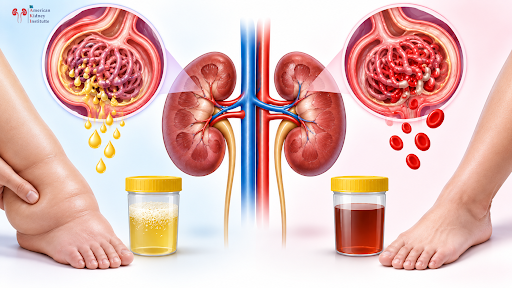
Introduction Your kidneys work silently every day to keep your body healthy. They filter waste products from the blood, remove excess fluids, balance minerals, regulate blood pressure, and support the production of red blood cells. Because they perform so many important functions, even a small decline in kidney function can affect your overall health. One of the biggest concerns is that kidney disease often develops slowly. In many cases, people do not notice any problems until the condition has already progressed. This is why learning about Chronic Kidney Disease Symptoms is important. Early awareness allows you to seek medical care before permanent kidney damage occurs. Chronic Kidney Disease (CKD) is a long-term condition in which the kidneys gradually lose their ability to function properly. While the damage cannot always be reversed, early diagnosis and proper treatment can slow the progression of the disease and help maintain a better quality of life. Understanding the causes and risk factors is the first step toward protecting your kidney health. What is Chronic Kidney Disease? Chronic Kidney Disease, commonly known as CKD, is a condition in which the kidneys gradually lose their filtering ability over several months or years. Healthy kidneys remove waste products and extra water from the body through urine. When kidney function declines, these waste products begin to build up in the blood, affecting various organs and body systems. Unlike sudden kidney injury, CKD develops slowly and often without noticeable symptoms during its early stages. Many patients continue their daily routine without realizing that their kidneys are becoming weaker. Regular health check-ups and kidney function tests play a vital role in detecting the disease early. CKD can affect people of all ages, but it is more common among older adults and individuals with long-term health conditions. Understanding the disease helps people take timely action and avoid serious complications. What Causes Chronic Kidney Disease? Several medical conditions and lifestyle factors can gradually damage the kidneys. Identifying these causes early can help reduce the risk of kidney failure and improve long-term health outcomes. Diabetes is one of the leading causes of Chronic Kidney Disease. High blood sugar levels damage the tiny blood vessels inside the kidneys over time, reducing their ability to filter waste effectively. Proper diabetes management significantly lowers the risk of kidney damage. High blood pressure is another major cause of kidney disease. Constantly elevated blood pressure puts extra strain on the delicate blood vessels in the kidneys. Without proper control, this ongoing pressure can lead to permanent kidney damage. Inherited kidney disorders, such as polycystic kidney disease, can also contribute to CKD. These genetic conditions affect the structure and function of the kidneys, increasing the likelihood of chronic kidney problems. Repeated kidney infections or untreated urinary tract infections may gradually damage kidney tissue. Prompt medical treatment helps prevent long-term complications. Autoimmune diseases, including lupus, can cause inflammation within the kidneys. The body’s immune system mistakenly attacks healthy kidney tissue, affecting normal kidney function. Long-term use of certain painkillers and medications without medical supervision may harm the kidneys. Taking medications only as prescribed helps reduce this risk. Kidney stones or urinary tract blockages can interfere with normal urine flow. If left untreated, these conditions may gradually damage the kidneys. Who is at Higher Risk of Developing CKD? Certain people have a higher chance of developing chronic kidney disease because of their medical history, lifestyle, or family background. Knowing these risk factors allows individuals to take preventive steps before kidney damage becomes severe. People living with diabetes or high blood pressure for several years have a significantly increased risk of kidney disease because these conditions directly affect kidney function. Individuals with a family history of kidney disease should undergo regular kidney health screenings, as genetic factors may increase their susceptibility. Older adults naturally experience some decline in kidney function with age, making routine health check-ups especially important after the age of 60. People who smoke or consume excessive alcohol may experience faster damage to blood vessels, including those that supply the kidneys. Individuals who are overweight or physically inactive often have a greater risk of developing diabetes, hypertension, and kidney disease. Those with heart disease, high cholesterol, or metabolic disorders should also monitor their kidney health regularly, as these conditions frequently occur together. Understanding these causes and risk factors is the foundation for protecting your kidneys. In the next section, we will explore the Chronic Kidney Disease Symptoms, early warning signs, and how recognizing them at the right time can make a significant difference in preserving kidney function. Chronic Kidney Disease Symptoms: Early Warning Signs You Should Never Ignore One of the biggest challenges with chronic kidney disease is that it often develops silently. Many people feel completely healthy during the early stages because the kidneys can continue working even after losing a significant amount of their function. As the disease progresses, however, the body begins to show warning signs that should never be ignored. Recognizing Chronic Kidney Disease Symptoms early can help prevent further kidney damage and improve treatment outcomes. Some symptoms may appear gradually, while others become more noticeable as kidney function continues to decline. If you experience any of these symptoms for several weeks, it is important to consult a kidney specialist for proper evaluation. Common Chronic Kidney Disease Symptoms Persistent fatigue and weakness When the kidneys are not functioning properly, waste products build up in the blood. At the same time, reduced production of red blood cells can lead to anemia. Together, these changes can leave you feeling constantly tired, weak, and lacking energy even after getting enough rest. Swelling in the feet, ankles, legs, or face Healthy kidneys remove excess fluid from the body. When kidney function declines, fluid begins to accumulate in different parts of the body, leading to swelling. This swelling may become more noticeable at the end of the day or after standing for long periods. Changes in urination You may notice changes in how often you urinate, the color of your urine,

Expert Kidney Care Team in Vijayawada

డయాలసిస్ ఒకసారి ప్రారంభిస్తే జీవితాంతం కొనసాగించాలా?

డయాలసిస్ ఒకసారి ప్రారంభిస్తే జీవితాంతం కొనసాగించాలా? చాలామంది పేషెంట్లు నన్ను అడిగే అత్యంత సాధారణ ప్రశ్నల్లో ఇదొకటి. “డాక్టర్ గారు, ఒకసారి డయాలసిస్ ప్రారంభిస్తే ఇక జీవితాంతం అదే చేయించుకోవాలా?” అనే సందేహం దాదాపు ప్రతి కుటుంబంలో ఉంటుంది. ఈ ప్రశ్న వెనుక భయం కూడా ఉంటుంది. ఎందుకంటే చాలామంది డయాలసిస్ అంటే జీవితాంతం ఆసుపత్రికే పరిమితం కావాల్సి వస్తుందని భావిస్తారు. ఈ ప్రశ్నకు సూటిగా చెప్పాలంటే “లేదు… అందరికీ జీవితాంతం డయాలసిస్ అవసరం ఉండదు.” ఒక వ్యక్తికి ఎంతకాలం డయాలసిస్ అవసరమవుతుంది అనేది అతని కిడ్నీ సమస్యకు గల కారణంపై ఆధారపడి ఉంటుంది. కొందరిలో కిడ్నీలు తాత్కాలికంగా పనిచేయడం తగ్గిపోతుంది. మరికొందరిలో మాత్రం కిడ్నీలు శాశ్వతంగా దెబ్బతింటాయి. అందుకే ప్రతి రోగికి ఒకే విధమైన చికిత్స లేదా ఒకే కాలం పాటు డయాలసిస్ అవసరం అవుతుందని అనుకోవడం సరైంది కాదు. మనం ముందుగా గుర్తుంచుకోవాల్సిన విషయం ఏమిటంటే, డయాలసిస్ అనేది ఒక వ్యాధి కాదు. ఇది కిడ్నీలు సరిగా పనిచేయలేని సమయంలో శరీరంలో పేరుకుపోయే వ్యర్థాలను బయటకు తొలగించడానికి ఉపయోగించే ఒక ముఖ్యమైన చికిత్స. ఈ చికిత్స అనేక మంది రోగులకు కొత్త జీవితాన్ని ఇస్తుంది. అందుకే డయాలసిస్ గురించి భయపడటానికి బదులుగా, దాని అవసరం ఎందుకు వచ్చిందో తెలుసుకోవడం చాలా ముఖ్యం. డయాలసిస్ గురించి ఎందుకు ఇంత భయం ఉంటుంది? మన సమాజంలో ఇప్పటికీ డయాలసిస్ గురించి అనేక అపోహలు ఉన్నాయి. ఒకసారి ఈ చికిత్స ప్రారంభమైతే ఇక జీవితాంతం ఆసుపత్రి చుట్టూ తిరగాల్సిందే అని చాలామంది భావిస్తారు. మరికొందరు సాధారణ జీవితం గడపలేమని అనుకుంటారు. ఈ అపోహల వల్ల అవసరమైన సమయంలో కూడా చికిత్సను ఆలస్యం చేసే పరిస్థితులు కనిపిస్తుంటాయి. వాస్తవానికి ప్రతి కిడ్నీ రోగి పరిస్థితి ఒకేలా ఉండదు. కొందరిలో కిడ్నీ పనితీరు కొద్ది రోజుల పాటు మాత్రమే తగ్గుతుంది. సరైన చికిత్స, మందులు, ఇన్ఫెక్షన్ నియంత్రణ లేదా ఇతర కారణాలను సరిచేయడం ద్వారా కిడ్నీలు మళ్లీ సాధారణ స్థితికి రావచ్చు. అలాంటి పరిస్థితుల్లో కొంతకాలం మాత్రమే డయాలసిస్ అవసరమవుతుంది. మరోవైపు, చాలా సంవత్సరాలుగా షుగర్, అధిక రక్తపోటు లేదా దీర్ఘకాలిక కిడ్నీ వ్యాధి వల్ల కిడ్నీలు పూర్తిగా దెబ్బతిన్నట్లయితే పరిస్థితి భిన్నంగా ఉంటుంది. అలాంటి సందర్భాల్లో వైద్యుల సూచన మేరకు దీర్ఘకాలం చికిత్స కొనసాగించాల్సి రావచ్చు. ప్రతి పేషెంట్ ఎందుకు భిన్నంగా ఉంటుంది? ప్రతి వ్యక్తి కిడ్నీ సమస్యకు కారణం, తీవ్రత, వయస్సు, ఇతర ఆరోగ్య సమస్యలు, చికిత్సకు శరీరం స్పందించే విధానం వేర్వేరుగా ఉంటాయి. అందువల్ల ఒక పేషెంట్‌కు వర్తించే చికిత్స మరో పేషెంట్‌కు తప్పనిసరిగా వర్తించాల్సిన అవసరం లేదు. అందుకే ఒకరిని చూసి మరొకరు నిర్ణయానికి రావద్దు. మీ కిడ్నీ పనితీరును పరీక్షించి, సమస్యకు అసలు కారణాన్ని గుర్తించిన తర్వాత మాత్రమే ఎంతకాలం చికిత్స అవసరమో చెప్పగలం. American Kidney Instituteలో మేము ప్రతి పేషెంట్ పరిస్థితిని పూర్తిగా పరిశీలించి, వ్యక్తిగత అవసరాలకు అనుగుణంగా చికిత్స అందిస్తాము. ఎప్పుడు జీవితాంతం డయాలసిస్ అవసరం అవుతుంది? అందరికీ డయాలసిస్ తాత్కాలికంగా మాత్రమే అవసరం అవుతుందని అనుకోవడం కూడా సరైంది కాదు. కొంతమందిలో కిడ్నీలు శాశ్వతంగా దెబ్బతింటాయి. దీనిని Chronic Kidney Disease (CKD) లేదా చివరి దశలో End-Stage Kidney Disease (ESKD) అని పిలుస్తారు. ఈ పరిస్థితిలో కిడ్నీలు తిరిగి సాధారణ స్థితికి వచ్చే అవకాశం చాలా తక్కువగా ఉంటుంది. దీర్ఘకాలంగా నియంత్రణలో లేని షుగర్, అధిక రక్తపోటు, కొన్ని వంశపారంపర్య కిడ్నీ వ్యాధులు, గ్లోమెరులోనెఫ్రైటిస్ వంటి సమస్యలు క్రమంగా కిడ్నీలను దెబ్బతీస్తాయి. ఈ నష్టం ఒక్కరోజులో జరగదు. సంవత్సరాల పాటు నెమ్మదిగా పెరుగుతూ చివరకు కిడ్నీలు తమ పనితీరును కోల్పోయే స్థితికి చేరుకుంటాయి. అలాంటి సందర్భాల్లో శరీరంలో వ్యర్థ పదార్థాలు, అదనపు ద్రవాలు, విషపదార్థాలు బయటకు వెళ్లకపోవడంతో డయాలసిస్ అవసరం అవుతుంది. కిడ్నీలు పూర్తిగా పనిచేయలేని పరిస్థితిలో డయాలసిస్ అనేది శరీరానికి అవసరమైన సహాయక చికిత్సగా మారుతుంది. కొంతమందికి కిడ్నీ మార్పిడి (Kidney Transplant) చేసే వరకు ఇది కొనసాగవచ్చు. మరికొందరికి ఆరోగ్య పరిస్థితిని బట్టి దీర్ఘకాలం డయాలసిస్ చేయించుకోవాల్సి రావచ్చు. అందుకే ప్రతి రోగి పరిస్థితిని విడిగా అంచనా వేయడం చాలా ముఖ్యం. డయాలసిస్ అంటే జీవితం ఆగిపోవడం కాదు చాలామంది డయాలసిస్ ప్రారంభించాలంటే భయపడిపోతారు. ఇకపై ఉద్యోగం చేయలేము, కుటుంబ బాధ్యతలు నిర్వర్తించలేము, సాధారణ జీవితం గడపలేము అని అనుకుంటారు. కానీ ఇది పూర్తిగా నిజం కాదు. సరైన సమయంలో చికిత్స ప్రారంభించి, వైద్యులు సూచించిన ఆహార నియమాలు పాటిస్తూ, మందులు క్రమం తప్పకుండా తీసుకుంటూ, రెగ్యులర్ ఫాలో-అప్ చేస్తే చాలా మంది రోగులు తమ రోజువారీ పనులను కొనసాగించగలుగుతున్నారు. ఉద్యోగానికి వెళ్లడం, కుటుంబంతో సమయం గడపడం, ప్రయాణాలు చేయడం వంటి అనేక పనులు కూడా సాధ్యమే. చికిత్సకు క్రమశిక్షణగా సహకరించడం చాలా ముఖ్యమైన విషయం. American Kidney Instituteలో ప్రతి రోగికి వారి ఆరోగ్య పరిస్థితిని బట్టి వ్యక్తిగత చికిత్స ప్రణాళిక రూపొందిస్తాము. మా లక్ష్యం కేవలం డయాలసిస్ చేయడం మాత్రమే కాదు, రోగులు ఆరోగ్యంగా, ఆత్మవిశ్వాసంతో, సాధ్యమైనంత వరకు సాధారణ జీవితాన్ని గడపడానికి అవసరమైన వైద్య సహాయం మరియు మార్గదర్శకత్వాన్ని అందించడం. సరైన అవగాహన, సమయానికి చికిత్స, నిపుణుల పర్యవేక్షణ ఉంటే కిడ్నీ వ్యాధితో కూడా మంచి జీవన నాణ్యతను కొనసాగించడం పూర్తిగా సాధ్యమే. డయాలసిస్ గురించి గుర్తుంచుకోవాల్సిన ముఖ్యమైన విషయాలు డయాలసిస్ గురించి చాలా మంది పేషెంట్లు, వారి కుటుంబ సభ్యులు అనేక సందేహాలతో ఉంటారు. అయితే సరైన సమాచారం ఉంటే భయం తగ్గుతుంది, చికిత్సపై నమ్మకం పెరుగుతుంది. అందుకే ప్రతి ఒక్కరూ కొన్ని ముఖ్యమైన విషయాలను గుర్తుంచుకోవాలి. డయాలసిస్ ప్రారంభమైందంటే అది జీవితాంతం కొనసాగాల్సిందే అని ముందుగానే నిర్ణయించుకోవద్దు. కిడ్నీ సమస్యకు గల కారణాన్ని గుర్తించి, అది తాత్కాలికమా లేదా శాశ్వతమా అనేది తెలుసుకున్న తర్వాత మాత్రమే చికిత్స ఎంతకాలం అవసరమో నిర్ణయించవచ్చు. కిడ్నీలు అకస్మాత్తుగా బలహీనపడిన రోగుల్లో సరైన చికిత్సతో అవి మళ్లీ కోలుకునే అవకాశం ఉంటుంది. అలాంటి సందర్భాల్లో కొంతకాలం మాత్రమే డయాలసిస్ అవసరం కావచ్చు. అయితే ఈ నిర్ణయం వైద్యుల పరీక్షలు, రిపోర్టుల ఆధారంగా మాత్రమే తీసుకోవాలి. షుగర్, అధిక రక్తపోటు వంటి వ్యాధులను నిర్లక్ష్యం చేయడం వల్ల కిడ్నీలు క్రమంగా శాశ్వతంగా దెబ్బతినే ప్రమాదం ఉంది. అందుకే ఈ వ్యాధులను ప్రారంభ దశలోనే నియంత్రించడం ద్వారా భవిష్యత్తులో తీవ్రమైన కిడ్నీ సమస్యలను నివారించే అవకాశం ఉంటుంది. వైద్యుల సలహా లేకుండా డయాలసిస్ సెషన్లను మిస్ చేయడం లేదా స్వయంగా చికిత్సను ఆపేయడం చాలా ప్రమాదకరం. ఇలా చేయడం వల్ల శరీరంలో విషపదార్థాలు పేరుకుపోయి గుండె, ఊపిరితిత్తులు, మెదడు వంటి ముఖ్యమైన అవయవాలపై తీవ్ర ప్రభావం పడే అవకాశం ఉంటుంది. చికిత్సతో పాటు సరైన ఆహారం తీసుకోవడం, ద్రవాల పరిమాణాన్ని నియంత్రించడం, సూచించిన మందులను సమయానికి వాడడం, రెగ్యులర్ చెకప్‌లు చేయించుకోవడం కూడా చికిత్సలో అంతే ముఖ్యమైన భాగాలు. ముగింపు డయాలసిస్ గురించి ఉన్న అతిపెద్ద అపోహ ఏమిటంటే, ఒకసారి ప్రారంభిస్తే జీవితాంతం అదే చేయించుకోవాలని చాలామంది అనుకోవడం. కానీ వాస్తవం ఏమిటంటే ప్రతి రోగి పరిస్థితి ఒకేలా ఉండదు. కొందరిలో కిడ్నీలు తిరిగి కోలుకుంటాయి, మరికొందరిలో మాత్రం శాశ్వత నష్టం కారణంగా దీర్ఘకాలిక చికిత్స అవసరం అవుతుంది. అందుకే ప్రతి కేసును వ్యక్తిగతంగా అంచనా వేయడం చాలా ముఖ్యం. ముఖ్యంగా గుర్తుంచుకోవాల్సిన విషయం ఏమిటంటే డయాలసిస్ అనేది జీవితాన్ని ఆపేసే చికిత్స కాదు. ఇది కిడ్నీలు చేయలేని పనిని కొంతవరకు భర్తీ చేస్తూ, శరీరాన్ని ఆరోగ్యంగా ఉంచడానికి సహాయపడే ఒక ప్రాణరక్షక చికిత్స. సరైన సమయంలో చికిత్స ప్రారంభిస్తే, వైద్యుల సూచనలు పాటిస్తే, ఆరోగ్యకరమైన జీవనశైలిని అవలంబిస్తే చాలా మంది రోగులు తమ రోజువారీ పనులను కొనసాగిస్తూ, కుటుంబంతో సంతోషంగా గడుపుతూ, సాధారణ జీవితానికి దగ్గరగా జీవించగలుగుతున్నారు. మీకు లేదా మీ కుటుంబ సభ్యుల్లో ఎవరికైనా డయాలసిస్ గురించి సందేహాలు ఉంటే లేదా కిడ్నీ ఆరోగ్యానికి సంబంధించిన సమస్యలు ఉంటే వాటిని నిర్లక్ష్యం చేయకండి. సమయానికి నెఫ్రాలజిస్ట్‌ను సంప్రదించడం ద్వారా సరైన కారణాన్ని తెలుసుకుని, అవసరమైన చికిత్సను ప్రారంభించవచ్చు. American Kidney Instituteలో మేము ప్రతి రోగికి వారి ఆరోగ్య పరిస్థితికి అనుగుణంగా వ్యక్తిగత చికిత్స, ఆధునిక సాంకేతిక సదుపాయాలు, అనుభవజ్ఞులైన నెఫ్రాలజిస్టుల మార్గదర్శకత్వంతో సమగ్ర కిడ్నీ సంరక్షణ అందిస్తున్నాము. సరైన అవగాహన, సమయానికి పరీక్షలు, నిపుణుల సలహా మరియు క్రమమైన చికిత్సతో కిడ్నీ ఆరోగ్యాన్ని కాపాడుకోవడం మాత్రమే కాదు, మెరుగైన జీవన నాణ్యతను కూడా పొందవచ్చు. FAQ 1. డయాలసిస్ ఒకసారి ప్రారంభిస్తే జీవితాంతం చేయించుకోవాలా? లేదు. ప్రతి ఒక్కరికీ జీవితాంతం డయాలసిస్ అవసరం ఉండదు. కిడ్నీ సమస్యకు గల కారణాన్ని బట్టి కొంతమందికి తాత్కాలికంగా మాత్రమే అవసరం అవుతుంది, మరికొందరికి దీర్ఘకాలిక చికిత్స అవసరమవుతుంది. 2. కిడ్నీలు కోలుకున్న తర్వాత డయాలసిస్ ఆపవచ్చా? అవును, కొన్ని సందర్భాల్లో కిడ్నీలు మళ్లీ సాధారణంగా పనిచేయడం ప్రారంభిస్తే వైద్యుల సూచన మేరకు డయాలసిస్ నిలిపివేయవచ్చు. అయితే ఈ నిర్ణయం పరీక్షల ఆధారంగా నెఫ్రాలజిస్ట్ మాత్రమే తీసుకోవాలి. 3. షుగర్, బీపీ ఉన్న ప్రతి ఒక్కరికీ డయాలసిస్ అవసరమా? కాదు. షుగర్ లేదా బీపీ ఉన్న ప్రతి ఒక్కరికీ డయాలసిస్ అవసరం ఉండదు. అయితే ఈ వ్యాధులను నియంత్రించకపోతే కిడ్నీలు క్రమంగా దెబ్బతిని భవిష్యత్తులో డయాలసిస్ అవసరమయ్యే ప్రమాదం పెరుగుతుంది. 4. డయాలసిస్ చేయించుకుంటూ సాధారణ జీవితం గడపవచ్చా? అవును. సరైన చికిత్స, సమతుల్య ఆహారం, మందులు, క్రమం తప్పకుండా వైద్యుల పర్యవేక్షణ ఉంటే చాలా మంది రోగులు ఉద్యోగం, కుటుంబ జీవితం మరియు రోజువారీ కార్యకలాపాలను సాధారణంగా కొనసాగించగలుగుతారు. 5. డయాలసిస్ ఎప్పుడు తాత్కాలికంగా ఉంటుంది? ఇన్ఫెక్షన్, డీహైడ్రేషన్, కొన్ని మందుల దుష్ప్రభావాలు లేదా అకస్మాత్తుగా కిడ్నీలు బలహీనపడిన సందర్భాల్లో

Advanced Multi-Speciality Hospital

Why Do Kidney Patients Experience Memory Loss and Confusion

Why Do Kidney Patients Experience Memory Loss and Confusion Have you ever noticed that someone with kidney disease starts forgetting things, feels confused, or finds it difficult to focus? Many people assume these symptoms are always related to aging or a brain disorder. However, the kidneys and the brain are closely connected, and poor kidney function can affect the way the brain works. When the kidneys are healthy, they continuously filter waste products, excess fluids, and harmful toxins from the blood. They also help maintain the right balance of minerals, electrolytes, and hormones that support every organ in the body, including the brain. When kidney function begins to decline, these harmful substances remain in the bloodstream instead of being removed. Over time, they can interfere with normal brain function, leading to memory loss, confusion, poor concentration, and changes in thinking abilities. The good news is that memory problems caused by kidney disease are not always permanent. In many cases, identifying the underlying kidney problem early and receiving proper treatment can improve brain function and overall quality of life. Recognizing these warning signs at the right time can prevent complications and help patients continue their daily activities with greater confidence. If you or a loved one has recently noticed sudden forgetfulness or unexplained confusion, it is important not to ignore these symptoms. Consulting a Kidney Specialist in Vijayawada at American Kidney Institute can help identify whether kidney disease is contributing to these cognitive changes and guide you toward the most appropriate treatment. Understanding the Connection Between the Kidneys and the Brain Many people think of the kidneys as organs that only produce urine. In reality, they perform several important functions that influence nearly every part of the body. Their role extends far beyond filtering blood, and the health of your brain depends significantly on how well your kidneys perform these functions. Every minute, your kidneys filter a large amount of blood to remove waste products and maintain a healthy internal environment. They regulate blood pressure, balance electrolytes such as sodium and potassium, produce hormones that help make red blood cells, and activate Vitamin D for strong bones and muscles. When these functions become impaired, the entire body, including the brain, begins to experience the effects. The brain requires a constant supply of oxygen-rich blood and a stable chemical environment to function properly. Healthy kidneys help maintain this balance. When kidney disease develops, waste products accumulate, blood pressure may rise, anemia can occur, and electrolyte imbalances may develop. Together, these problems reduce the brain’s ability to function efficiently, leading to symptoms that may appear similar to dementia or other neurological disorders. This is why doctors often evaluate kidney function when an older adult experiences sudden confusion or memory loss without an obvious cause. In many situations, addressing kidney health can significantly improve these symptoms. How Healthy Kidneys Support Brain Function Healthy kidneys silently perform several vital tasks that keep the brain functioning at its best. Although these processes happen continuously, most people only realize their importance when kidney function starts declining. Some of the most important ways healthy kidneys protect your brain include: They continuously remove toxins and metabolic waste products from the bloodstream before they reach the brain. This helps brain cells communicate efficiently and supports clear thinking, good concentration, and healthy memory throughout life. They maintain the right balance of sodium, potassium, calcium, and other electrolytes. These minerals are essential for transmitting signals between brain cells. Even small imbalances can affect attention, thinking speed, and mental clarity. They regulate blood pressure, ensuring that the brain receives a steady supply of oxygen-rich blood. Poorly controlled blood pressure increases the risk of stroke, vascular damage, and long-term cognitive decline. They stimulate the production of erythropoietin, a hormone that helps the body produce healthy red blood cells. Adequate red blood cells ensure the brain receives enough oxygen to support memory, concentration, and decision-making. They activate Vitamin D, which contributes not only to bone health but also supports nerve function, mood regulation, and cognitive performance. When all of these systems work together, the brain remains healthy and alert. However, chronic kidney disease gradually disrupts each of these protective mechanisms, making memory problems more likely. Why Memory Loss Can Be an Early Sign of Kidney Disease Most people recognize swelling, changes in urination, or fatigue as symptoms of kidney disease. However, memory loss and confusion are often overlooked because they are commonly mistaken for normal aging. In reality, the brain is extremely sensitive to changes occurring elsewhere in the body. Even a moderate decline in kidney function can influence how efficiently the brain processes information. Patients may begin forgetting appointments, misplacing everyday objects, repeating conversations, or struggling to complete familiar tasks. Family members are often the first to notice these changes. They may observe that the patient appears unusually distracted, has difficulty following conversations, becomes confused about dates or places, or seems mentally slower than before. These symptoms do not necessarily mean the person has dementia. In many cases, they are a warning sign that kidney function has declined and needs immediate evaluation. Seeking help from a Kidney Specialist in Vijayawada at American Kidney Institute allows these underlying causes to be identified before permanent complications develop. What Is Cognitive Impairment in Kidney Disease? Cognitive impairment refers to problems with thinking, learning, memory, attention, and decision-making. It ranges from mild forgetfulness to severe confusion that interferes with daily life. People living with chronic kidney disease have a significantly higher risk of developing cognitive impairment compared with individuals who have healthy kidneys. The risk becomes even greater as kidney function continues to decline. Common cognitive problems experienced by kidney patients include: Difficulty remembering recent conversations, appointments, or important information, making daily routines increasingly challenging and affecting independence. Reduced attention span that makes it difficult to read, watch television, follow instructions, or participate in conversations for extended periods. Slower thinking and delayed responses during conversations or while making decisions, causing frustration for both patients and family members.

Kidney Stone Removal What to Expect Before, During, and After

Kidney Stone Removal: What to Expect Before, During, and After

Kidney stones can cause some of the most intense pain a person may ever experience. While small stones sometimes pass naturally, larger ones may require medical intervention. If you are preparing for kidney stone removal, understanding the process before, during, and after treatment can help ease anxiety and ensure a smooth recovery. If you are in Andhra Pradesh, consulting the best urologist in Vijayawada or an experienced kidney specialist in Vijayawada can make a world of difference in your care and results. Before the Procedure: Diagnosis and Preparation The first step in kidney stone treatment is confirming the size, type, and location of the stone. Your doctor may order: If you have a history of prostate stones or urinary tract issues, your urologist will evaluate these conditions as well to ensure safe and effective treatment. Preparation tips before kidney stone removal: During the Procedure: Treatment Options The choice of treatment depends on the size and position of the kidney stone: Your kidney specialist in Vijayawada will decide the safest and most effective method based on your condition. After the Procedure: Recovery and Care Recovery time varies depending on the treatment: Post-procedure care tips: If you have prostate stones or an enlarged prostate, your doctor may also recommend additional treatments to prevent recurrence. Preventing Future Kidney Stones Kidney stone removal treats the current problem, but prevention is key to avoiding future episodes. Kidney stone removal is a safe and effective way to restore comfort and protect kidney health. With advanced technology and expert care from leading specialists, patients can expect excellent outcomes and minimal downtime. If you experience severe flank pain, blood in urine, or difficulty urinating, seek immediate evaluation from an experienced kidney care center.

Translate »