endometriosis in american kidney institute

Early Signs of Endometriosis Every Woman Should Know

Early Signs of Endometriosis Every Woman Should Know Introduction Women often experience period pain, fatigue, or irregular cycles at different stages of life. Many ignore these symptoms thinking they are “normal.” However, when menstrual pain becomes severe, long-lasting, and affects daily life, it could be a sign of a deeper medical condition called Endometriosis. Endometriosis is a chronic condition in which tissue similar to the lining of the uterus grows outside the uterus. This misplaced tissue can attach to the ovaries, fallopian tubes, pelvic lining, and sometimes even other organs. Over time, it can cause inflammation, scarring, and intense pain. Early detection makes a huge difference. Consulting the Best Gynecologist in Vijayawada at the right time can help prevent complications such as infertility and severe pelvic damage. At American Kidney Institute, women receive holistic care that focuses not just on symptom relief but also on long-term reproductive health. What Is Endometriosis? Endometriosis occurs when tissue similar to the endometrium, which normally lines the uterus, starts growing outside it. During every menstrual cycle, this tissue behaves like uterine lining — it thickens, breaks down, and bleeds. However, because it is outside the uterus, the blood has no way to exit the body. This trapped blood leads to inflammation, swelling, and formation of scar tissue. Over months or years, this may result in adhesions where organs stick together, causing severe pain and fertility problems. Early diagnosis by the Best Gynecologist in Vijayawada ensures timely medical or surgical treatment. At American Kidney Institute, patients are guided step by step to understand their condition clearly and confidently. Why Early Signs Should Never Be Ignored Many women tolerate painful periods assuming it is part of womanhood. But persistent and intense pain is not normal. The early signs of endometriosis are often subtle in the beginning, which is why awareness is important. Ignoring symptoms can lead to worsening inflammation, ovarian cyst formation, and difficulty conceiving. Over time, untreated endometriosis may affect emotional health due to chronic discomfort. Visiting the Best Gynecologist in Vijayawada early can help prevent long-term damage. At American Kidney Institute, early intervention plans are designed to reduce pain and protect fertility. Early Signs of Endometriosis Every Woman Should Know Severe Menstrual Cramps That Worsen Over Time Painful periods are common, but endometriosis pain is different. It is often severe, sharp, and may begin several days before periods start. The pain may worsen with each cycle instead of improving. This pain can spread to the lower back and thighs. If regular painkillers do not provide relief, it may indicate something more serious. Consulting the Best Gynecologist in Vijayawada can help confirm the cause. At American Kidney Institute, specialists evaluate the intensity, pattern, and duration of pain before recommending tests. Chronic Pelvic Pain Even Between Periods Pelvic pain that continues even after periods end is a strong early sign. Women may feel dull aching or constant pressure in the lower abdomen. This pain may interfere with work, exercise, and daily activities. It is not linked only to menstruation and may persist throughout the month. Seeking care from the Best Gynecologist in Vijayawada at American Kidney Institute can help identify whether endometriosis is the cause. Pain During Intercourse Pain during or after intercourse is called dyspareunia. In endometriosis, this happens because tissue growth behind the uterus becomes inflamed. This symptom is often ignored or not discussed openly, but it should not be overlooked. It may signal deep endometriosis affecting pelvic tissues. Early consultation with the Best Gynecologist in Vijayawada at American Kidney Institute helps prevent worsening of this condition. Heavy or Irregular Periods Some women with endometriosis experience heavy bleeding or irregular cycles. Periods may last longer than seven days and include large clots. Hormonal imbalance and tissue inflammation contribute to these changes. If bleeding patterns suddenly change, medical evaluation is necessary. The Best Gynecologist in Vijayawada at American Kidney Institute can assess hormone levels and recommend proper treatment. Digestive Problems During Periods Endometriosis can sometimes affect the intestines. Women may experience bloating, diarrhea, constipation, or nausea during periods. These symptoms are often mistaken for common digestive issues. However, when they appear regularly during menstruation, they may indicate pelvic endometriosis. A detailed evaluation by the Best Gynecologist in Vijayawada at American Kidney Institute can clarify the root cause. Difficulty Getting Pregnant Infertility is one of the serious complications of endometriosis. Scar tissue can block fallopian tubes or affect egg quality. Some women discover they have endometriosis only when trying to conceive. Early detection improves fertility outcomes. Consulting the Best Gynecologist in Vijayawada at American Kidney Institute ensures access to advanced fertility evaluation. Causes and Risk Factors Although the exact cause of endometriosis is not fully known, several theories exist. Family history increases risk because genetics may play a role in how the immune system responds to misplaced tissue Early onset of menstruation and shorter cycles may increase exposure to menstrual flow Retrograde menstruation, where blood flows backward into the pelvis instead of exiting the body Hormonal imbalances that stimulate abnormal tissue growth Immune system disorders that fail to remove displaced cells At American Kidney Institute, specialists carefully review medical history and symptoms before planning investigations. Guidance from the Best Gynecologist in Vijayawada ensures accurate diagnosis. Stages of Endometriosis Endometriosis is categorized into four stages: minimal, mild, moderate, and severe. These stages depend on the amount of tissue growth, depth of implants, and presence of scar tissue. Even minimal endometriosis can cause severe pain, while some women with advanced stages may have fewer symptoms. Therefore, staging does not always reflect pain intensity. Early consultation with the Best Gynecologist in Vijayawada at American Kidney Institute helps determine the stage through imaging and laparoscopy. How Endometriosis Is Diagnosed Diagnosis begins with a detailed discussion of symptoms and medical history. A pelvic examination may reveal tenderness or cysts. Ultrasound scans help detect ovarian cysts called endometriomas. However, laparoscopy remains the gold standard diagnostic procedure. At American Kidney Institute, the Best Gynecologist in Vijayawada uses minimally invasive techniques for accurate

general checkup in american kidney institute

Common Causes of Fever and When to See a Doctor

Fever is one of the most common symptoms experienced by people of all ages. It is not a disease by itself but a sign that the body is fighting an infection or another underlying health condition. A rise in body temperature usually occurs when the immune system responds to harmful microorganisms such as viruses, bacteria, or parasites. While mild fever is often harmless and can resolve on its own, persistent or high fever may require medical attention. Understanding the causes of fever and recognizing when it becomes serious is essential for maintaining good health. Many people ignore fever initially, assuming it will go away on its own. However, in some situations, fever can be an indication of a more serious medical condition that requires prompt evaluation by a healthcare professional. At American Kidney Institute, patients receive expert care and guidance from the Best General Physician in Vijayawada who carefully evaluates the symptoms, identifies the underlying cause, and recommends the most effective treatment plan. Early diagnosis and proper medical care can prevent complications and help patients recover faster. This detailed guide explains the most common causes of fever, associated symptoms, warning signs, and when it is important to seek medical help. What is Fever? Fever is defined as a temporary increase in body temperature above the normal range. The average normal body temperature is around 98.6°F (37°C), although it can vary slightly between individuals. When the body temperature rises above 100.4°F (38°C), it is generally considered a fever. Fever occurs when the brain’s temperature control center, called the hypothalamus, resets the body temperature in response to infection or inflammation. This mechanism helps the body fight harmful pathogens more effectively. Doctors at American Kidney Institute often explain that fever itself is part of the body’s natural defense system. However, persistent fever or fever accompanied by other symptoms should always be evaluated by the Best General Physician in Vijayawada to rule out serious health conditions. How the Body Responds to Fever When the body detects harmful pathogens, the immune system releases chemicals known as pyrogens. These substances signal the brain to increase body temperature. As the temperature rises, several physiological changes occur that help the body fight infection. The immune system becomes more active, producing white blood cells that attack harmful microorganisms. Many bacteria and viruses cannot survive or multiply effectively at higher body temperatures. Increased metabolic activity helps the body repair damaged tissues and eliminate infection. Although fever is beneficial in many cases, extremely high or prolonged fever can place stress on the body and should be evaluated by the Best General Physician in Vijayawada at American Kidney Institute. Common Causes of Fever Fever can occur due to many different conditions. Some causes are mild and temporary, while others may indicate serious health problems. Understanding these causes helps patients recognize when medical attention is necessary. Viral Infections Viral infections are one of the most common causes of fever in both children and adults. These infections are usually contagious and spread through respiratory droplets, contaminated surfaces, or close contact with infected individuals. Viral illnesses such as influenza, common cold, dengue fever, and COVID-19 frequently cause fever along with symptoms like fatigue, body aches, and sore throat. The immune system raises body temperature to slow down viral replication and help fight the infection. In most cases, viral fever resolves within a few days with rest, hydration, and supportive care. However, if symptoms persist or worsen, it is important to consult the Best General Physician in Vijayawada at American Kidney Institute for proper diagnosis and treatment. Bacterial Infections Bacterial infections can also cause fever and may require antibiotics for effective treatment. Unlike viral infections, bacterial illnesses often become more severe if left untreated. Common bacterial infections include urinary tract infections, pneumonia, tuberculosis, and bacterial throat infections. These infections usually cause high fever along with localized symptoms such as cough, burning urination, or severe throat pain. Early diagnosis and targeted antibiotic therapy are essential to prevent complications. Consulting the Best General Physician in Vijayawada ensures timely treatment and accurate identification of bacterial infections at American Kidney Institute. Parasitic Infections Parasitic infections are another important cause of fever, especially in tropical regions like India. Diseases such as malaria are transmitted through mosquito bites and can cause recurring fever with chills and sweating. Parasites invade the bloodstream and organs, triggering an immune response that leads to fever. Without timely treatment, parasitic infections may cause serious health complications. Medical experts at American Kidney Institute recommend immediate consultation with the Best General Physician in Vijayawada if fever is accompanied by severe chills, weakness, or travel history to mosquito-prone areas. Inflammatory Conditions Certain inflammatory or autoimmune disorders can cause fever even without infection. These conditions occur when the immune system mistakenly attacks the body’s own tissues. Diseases such as rheumatoid arthritis and lupus may produce fever during flare-ups. Inflammation releases chemicals that stimulate the hypothalamus to increase body temperature. Patients may also experience joint pain, fatigue, and swelling. Proper evaluation by the Best General Physician in Vijayawada at American Kidney Institute helps identify the underlying cause and manage inflammatory conditions effectively. Heat Exhaustion and Heat Stroke Exposure to extremely high temperatures can disrupt the body’s natural cooling mechanisms and lead to fever. Heat exhaustion occurs when the body loses excessive fluids and electrolytes through sweating. Heat stroke is a severe condition where body temperature rises rapidly and may exceed 104°F. Symptoms may include dizziness, confusion, nausea, and rapid heartbeat. Immediate medical attention is essential, and the Best General Physician in Vijayawada at American Kidney Institute can provide emergency care and preventive guidance. Medication-Related Fever Certain medications can cause fever as a side effect or allergic reaction. Antibiotics, anticonvulsants, and some blood pressure medications may trigger drug-induced fever. The immune system may react to the medication, leading to elevated body temperature. Stopping or changing the medication usually resolves the fever. Doctors at American Kidney Institute carefully review medication history when diagnosing fever, ensuring safe treatment under the supervision of the Best

Best Nephrologist in Vijayawada – Complete Guide to Expert Kidney Care at American Kidney Institute

Best Nephrologist in Vijayawada – Complete Guide to Expert Kidney Care at American Kidney Institute

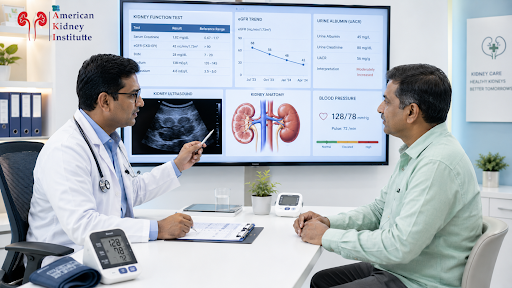
Best Nephrologist in Vijayawada – Complete Guide to Expert Kidney Care at American Kidney Institute Introduction Kidneys are among the most vital organs in the human body, silently working every minute to filter waste, balance fluids, regulate blood pressure, and maintain healthy levels of minerals and hormones. When kidney function begins to decline, the effects are not limited to one part of the body; instead, they slowly impact the heart, brain, bones, blood, and overall energy levels. This is why timely consultation with the Best Nephrologist in Vijayawada becomes a life-saving decision rather than just a medical visit. At the American Kidney Institute, patients receive specialized care for every stage of kidney disease, from early detection and prevention to advanced dialysis and transplant support. A nephrologist is not just a doctor who treats kidneys; they are specialists who understand how kidney health influences the entire body and how systemic diseases like diabetes, hypertension, and autoimmune disorders affect renal function over time. Many people ignore early symptoms such as swelling, fatigue, changes in urine, or uncontrolled blood pressure, assuming them to be minor issues. However, these can be the first signs of chronic kidney disease, which often progresses silently until it reaches an advanced stage. Consulting the Best Nephrologist in Vijayawada at the American Kidney Institute ensures accurate diagnosis, proper staging, and timely treatment, which can slow or even stop disease progression. This comprehensive guide explains the importance of kidney health, the role of a nephrologist, common kidney disorders, warning symptoms, diagnostic methods, and modern treatment options, all in clear language that can be understood even by a 12th-standard student. Importance of Kidney Health in Overall Well-Being The kidneys perform several life-supporting functions that go far beyond urine formation. They maintain the body’s internal balance, known as homeostasis, and any disturbance in their function can affect multiple organ systems. The kidneys continuously filter blood to remove toxins, metabolic waste, and excess fluids, helping to maintain clean circulation and preventing harmful substances from accumulating in the body.• They regulate electrolytes such as sodium, potassium, calcium, and phosphorus, ensuring proper nerve function, muscle contraction, and heart rhythm stability.• Kidneys produce hormones like erythropoietin, which stimulates red blood cell production, and renin, which plays a key role in blood pressure control.• They help activate vitamin D, which is essential for strong bones and proper calcium absorption. When kidney function declines, waste products build up in the blood, fluid balance is disturbed, and hormone production is affected. This can lead to anemia, bone weakness, high blood pressure, heart disease, and neurological problems. Seeking care from the Best Nephrologist in Vijayawada at the American Kidney Institute allows early identification of these imbalances and prevents serious complications. Who Is a Nephrologist and Why Their Role Is Critical A nephrologist is a medical specialist trained in diagnosing and treating diseases of the kidneys and urinary system. Their expertise extends to managing complex conditions that affect kidney structure, blood flow, filtration, and hormonal functions. A nephrologist evaluates patients with abnormal blood tests, urine abnormalities, uncontrolled hypertension, and electrolyte disorders to determine whether kidney disease is present and how advanced it is.• They manage chronic conditions such as diabetic nephropathy and hypertensive nephrosclerosis, which are leading causes of kidney failure worldwide.• They supervise dialysis treatment, ensuring that blood purification is done safely, effectively, and with minimal complications.• They play a key role in kidney transplantation, from pre-transplant evaluation to post-transplant care and long-term immunosuppression management. Choosing the Best Nephrologist in Vijayawada means placing your kidney health in the hands of a specialist who understands both the science of renal medicine and the emotional challenges faced by patients and families dealing with long-term illness. Common Kidney Diseases Treated by a Nephrologist Kidney disorders can be acute, developing suddenly, or chronic, progressing slowly over years. Understanding these conditions helps patients recognize the importance of early medical attention. Chronic Kidney Disease (CKD) Chronic Kidney Disease is a gradual loss of kidney function over months or years, often caused by diabetes and high blood pressure. CKD progresses in stages, starting with mild damage and eventually leading to end-stage renal disease if not treated properly.• Early stages may show no symptoms, making regular screening essential for high-risk individuals.• A nephrologist focuses on slowing progression through blood pressure control, blood sugar management, dietary changes, and medication optimization. Acute Kidney Injury (AKI) Acute Kidney Injury is a sudden decline in kidney function, often due to severe dehydration, infections, medications, or reduced blood flow to the kidneys. AKI can develop within hours or days and may be reversible if treated promptly.• It often occurs in hospitalized patients, especially those with severe illness or after major surgery.• Nephrologists identify the cause, correct fluid and electrolyte imbalances, and provide supportive care to restore kidney function. Glomerulonephritis This is inflammation of the glomeruli, the tiny filtering units of the kidneys, often caused by autoimmune disorders or infections. It can lead to blood and protein in the urine, swelling, and high blood pressure.• Without treatment, it may progress to chronic kidney disease.• Specialized tests and sometimes kidney biopsy are required for accurate diagnosis and targeted therapy. Polycystic Kidney Disease (PKD) PKD is a genetic disorder characterized by the growth of multiple cysts in the kidneys, gradually reducing their ability to function. It can cause pain, urinary infections, kidney stones, and progressive renal failure.• Regular monitoring and blood pressure control are essential to slow disease progression.• Nephrologists also screen family members and provide genetic counseling when required. Diabetic Nephropathy Diabetes is one of the leading causes of kidney failure, damaging the small blood vessels in the kidneys over time. Early signs include microalbuminuria, where small amounts of protein leak into the urine.• Strict blood sugar and blood pressure control can significantly delay progression.• The Best Nephrologist in Vijayawada works closely with endocrinologists to provide integrated care. Warning Symptoms That Should Never Be Ignored Kidney disease often develops silently, but certain signs indicate that immediate medical evaluation is necessary. Persistent swelling of the

Joint Pain Management AMERICAN KIDNEY INSTITUTE

Causes of Joint Pain and the Best Orthopedic Treatment Options

Causes of Joint Pain and the Best Orthopedic Treatment Options Introduction: Why Joint Pain Should Never Be Ignored Joint pain is one of the most common health problems affecting people of all age groups. From young adults who suffer injuries due to sports or physical work, to older individuals experiencing age-related joint degeneration, joint pain can affect daily life in many serious ways. Simple actions like walking, bending, sitting, standing, or lifting objects may become painful and stressful when joints are not healthy. Unfortunately, many people ignore joint pain in the early stages. Some believe the pain will go away on its own, while others think it is a normal part of aging. In reality, joint pain is often a warning sign that something is wrong inside the joint. When left untreated, mild pain can slowly turn into chronic discomfort, stiffness, limited movement, and permanent joint damage. If you are looking for the Best Orthopedic Doctor in Vijayawada, it is important to understand that timely orthopedic care can protect your joints and help you maintain an active, independent lifestyle. This blog is written in clear and simple language so that even a 12th-standard student can understand it easily. It explains the causes of joint pain, how orthopedic doctors diagnose joint problems, and the best orthopedic treatment options available today, with insights into trusted care at American Kidney Institutte. Understanding Joint Pain: What It Really Means Joint pain refers to discomfort, stiffness, soreness, swelling, or inflammation in one or more joints of the body. Joints are the points where two or more bones meet, allowing the body to move smoothly and flexibly. Healthy joints depend on cartilage, ligaments, muscles, and joint fluid working together in balance. Joint pain occurs when cartilage wears down, ligaments are strained, muscles weaken, or inflammation develops inside the joint, leading to pain during movement or even while resting. Joint pain can be short-term or long-lasting, mild or severe, and may affect a single joint such as the knee or shoulder, or multiple joints at the same time. Understanding joint pain as a medical issue and not ignoring it is the first step toward effective orthopedic treatment. Common Causes of Joint Pain Joint pain can develop due to many reasons. Identifying the exact cause helps the Best Orthopedic Doctor in Vijayawada recommend the most effective treatment and prevent further joint damage. Age-Related Wear and Tear As people grow older, the cartilage that cushions the joints slowly wears down, reducing shock absorption and increasing friction between bones, which leads to pain, stiffness, and reduced mobility. This natural degeneration commonly affects weight-bearing joints such as the knees, hips, and spine, making daily activities difficult if not managed properly. Arthritis and Inflammatory Conditions Arthritis is one of the leading causes of joint pain and includes osteoarthritis, rheumatoid arthritis, and other inflammatory joint diseases that cause swelling, stiffness, and pain. Inflammatory joint conditions may worsen over time if not treated early, which is why timely care at centers like American Kidney Institutte is important. Injuries and Physical Trauma Sports injuries, accidents, falls, and fractures can damage joints, ligaments, and surrounding tissues, causing immediate pain and long-term joint problems. Improper healing or skipping rehabilitation after injury often leads to chronic joint pain that requires orthopedic treatment. Overuse and Repetitive Strain Repeated movements, heavy physical work, poor posture, and incorrect exercise techniques can put continuous stress on joints, leading to gradual damage and pain. Overuse injuries are common in athletes, construction workers, office workers with poor ergonomics, and people with sedentary lifestyles. Infections and Medical Conditions Joint infections caused by bacteria or viruses can result in sudden pain, swelling, redness, and fever, requiring urgent orthopedic care. Certain medical conditions can also affect joint health, highlighting the need for complete evaluation at a multidisciplinary hospital like American Kidney Institutte. Common Joint Pain Causes and Orthopedic Treatment Options   Joint Pain Cause Commonly Affected Joints Recommended Orthopedic Treatment Age-related wear and tear Knees, hips, spine Physiotherapy, pain management, lifestyle changes Arthritis (osteoarthritis, rheumatoid arthritis) Knees, hands, shoulders Medications, injections, rehabilitation, surgery if needed Sports injuries and trauma Knees, ankles, shoulders Rest, physiotherapy, minimally invasive procedures Overuse and repetitive strain Elbows, wrists, knees Activity modification, posture correction, therapy Infections or medical conditions Any joint Medications, specialist orthopedic care, close monitoring   Symptoms That Indicate Serious Joint Problems Not all joint pain is harmless. Some symptoms should never be ignored. Persistent pain lasting more than a few weeks, especially with swelling, warmth, or redness, may indicate an underlying orthopedic condition. Difficulty moving the joint, morning stiffness lasting more than an hour, or pain that disturbs sleep are strong signs that you should consult the Best Orthopedic Doctor in Vijayawada. Early diagnosis leads to better treatment outcomes and prevents long-term disability. How Orthopedic Doctors Diagnose Joint Pain Accurate diagnosis is essential for effective treatment. Orthopedic doctors use both clinical examination and advanced diagnostic tools to find the root cause of joint pain. A detailed medical history and physical examination help assess joint movement, strength, alignment, swelling, and pain patterns. Imaging tests such as X-rays, MRI scans, and CT scans allow doctors to clearly see bones, cartilage, ligaments, and soft tissues, helping in precise treatment planning. At American Kidney Institutte, orthopedic diagnosis is supported by modern technology and coordinated medical care. Best Orthopedic Treatment Options for Joint Pain Treatment for joint pain depends on the cause, severity, patient age, and overall health. The Best Orthopedic Doctor in Vijayawada will always begin with conservative care before considering surgery. Non-Surgical Orthopedic Treatments Medications such as pain relievers and anti-inflammatory drugs help reduce pain and swelling, allowing patients to continue daily activities comfortably. Physical therapy strengthens muscles around the joint, improves flexibility, and corrects movement patterns to reduce joint stress. Lifestyle Modifications and Supportive Care Weight management reduces pressure on weight-bearing joints like the knees and hips, improving pain and mobility. Proper posture, ergonomic corrections, and guided exercise programs protect joints from further damage. Advanced Injection Therapies Corticosteroid injections reduce inflammation

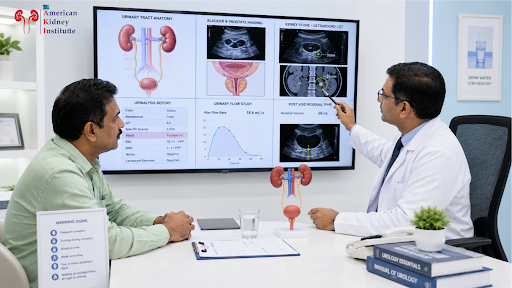
Urology Consulation AMERICAN KIDNEY INSTITUTE

How to Choose the Best Urologist in Vijayawada for Advanced Treatment

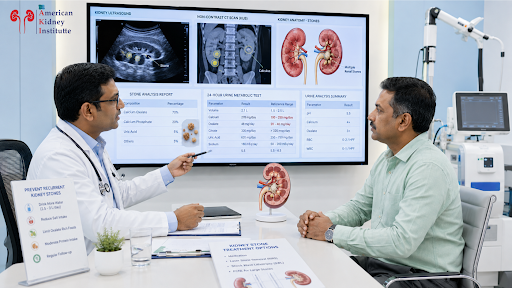
How to Choose the Best Urologist in Vijayawada for Advanced Treatment Introduction: Why Choosing the Right Urologist Matters Urological health plays a vital role in overall well-being, yet it is often neglected until symptoms become severe. Many individuals hesitate to seek help due to embarrassment, fear, or lack of awareness about urological conditions. Problems involving the kidneys, bladder, prostate, and urinary tract can affect people of all ages, from young adults to the elderly, and can significantly impact quality of life if left untreated. If you are searching for the Best Urologist in Vijayawada, it is important to understand that this choice is not simply about convenience or popularity. Advanced urology treatment demands high levels of expertise, access to modern medical technology, ethical decision-making, and compassionate patient care. In a fast-developing healthcare city like Vijayawada, patients have several options, making it even more important to choose wisely. This comprehensive guide is written to help you confidently choose the Best Urologist in Vijayawada. The information is presented in clear, simple language so that even someone with a 12th-standard education can easily understand it. Whether you are facing kidney stones, prostate enlargement, urinary infections, or complex urological disorders, this article explains what truly matters when selecting advanced urology care. Understanding the Role of a Urologist in Advanced Treatment A urologist is a specialist doctor trained to diagnose and treat conditions related to the urinary system in men and women, as well as the male reproductive system. Advanced urology treatment goes far beyond routine consultations and medicines. It involves detailed diagnostic evaluation, use of advanced imaging and laboratory tests, minimally invasive surgical procedures, and long-term follow-up care. A skilled urologist does not focus only on relieving symptoms but works to identify the exact cause of the problem using a combination of patient history, physical examination, imaging studies, and laboratory investigations. This approach ensures that treatment is accurate, effective, and long-lasting rather than temporary. Advanced urology care also includes preventive advice, lifestyle modification guidance, and regular follow-ups after treatment. These steps are essential to prevent recurrence of disease and to maintain long-term kidney and urinary health. Choosing the Best Urologist in Vijayawada means selecting a specialist who combines deep medical knowledge with advanced treatment protocols that match international standards of care. Common Conditions That Require Advanced Urology Care Urological conditions can range from mild discomfort to serious, life-altering diseases. Recognizing these conditions early and seeking the right specialist can prevent complications and improve outcomes. Kidney stones are one of the most common urological problems. If not treated properly, they can cause severe pain, repeated urinary infections, obstruction of urine flow, and long-term kidney damage. Advanced treatments such as laser stone removal and minimally invasive procedures are often required for complete relief. Prostate-related disorders, including benign prostate enlargement and prostate cancer, require careful diagnosis and stage-based treatment planning. Advanced urology care ensures symptom control while preserving urinary function and quality of life. Chronic urinary tract infections, bladder control problems, male infertility, and congenital urinary abnormalities require a urologist who understands complex body systems and uses evidence-based treatment rather than guesswork. The Best Urologist in Vijayawada will have wide experience in managing all these conditions with precision, safety, and compassion. Educational Qualifications and Specialization: The Foundation of Expertise Education and specialized training form the backbone of a urologist’s expertise. Advanced urology is a constantly evolving field, with new techniques and technologies emerging regularly. A well-qualified urologist completes advanced medical education in urology and continues to update their knowledge through workshops, conferences, and certified training programs. This continuous learning ensures that patients receive the most current and effective treatments available. Sub-specialization in areas such as endourology, uro-oncology, or reconstructive urology reflects deeper expertise. These specializations are especially important when dealing with complex conditions that require advanced surgical and non-surgical treatment options. When choosing the Best Urologist in Vijayawada, patients should look for a strong academic background combined with years of hands-on clinical experience. Experience and Case Volume: Why It Truly Matters Experience plays a critical role in the success of advanced urology treatment. A urologist who has treated a large number of patients develops refined technical skills and sound clinical judgment. High case volume helps doctors anticipate potential complications, make quick and accurate decisions during procedures, and customize treatment plans according to each patient’s unique medical condition and lifestyle. Experienced urologists are also more confident in managing rare and complicated cases, giving patients reassurance and peace of mind throughout the treatment process. Centers like American Kidney Institutte strongly emphasize experience-based care, which is why many patients trust them when searching for the Best Urologist in Vijayawada. Availability of Advanced Diagnostic Technology Accurate diagnosis is the foundation of successful treatment. Advanced urology care relies heavily on modern diagnostic tools that allow early detection and precise evaluation of disease. Hospitals equipped with high-resolution imaging, advanced ultrasound systems, digital X-rays, and well-supported laboratories enable urologists to diagnose conditions accurately, reducing the risk of delayed or incorrect treatment. Advanced diagnostics also help in monitoring disease progression and evaluating how well a treatment is working, which is especially important in chronic kidney and prostate conditions. Choosing the Best Urologist in Vijayawada means selecting a facility where advanced technology works hand in hand with medical expertise, as seen at American Kidney Institutte. Minimally Invasive and Advanced Treatment Options Modern urology focuses on achieving the best outcomes with minimal discomfort to the patient. Advanced treatment options have transformed how urological conditions are managed today. Minimally invasive procedures such as laser therapies, endoscopic surgeries, and non-invasive stone removal techniques significantly reduce pain, blood loss, hospital stay, and recovery time compared to traditional surgeries. Advanced treatment planning also considers the patient’s age, overall health, medical history, and lifestyle, ensuring that care is personalized rather than one-size-fits-all. The Best Urologist in Vijayawada prioritizes patient-friendly advanced treatments, a core principle followed at American Kidney Institutte. Patient-Centered Approach and Clear Communication Medical skill alone is not enough. The way a urologist communicates and supports patients throughout their treatment

Translate »