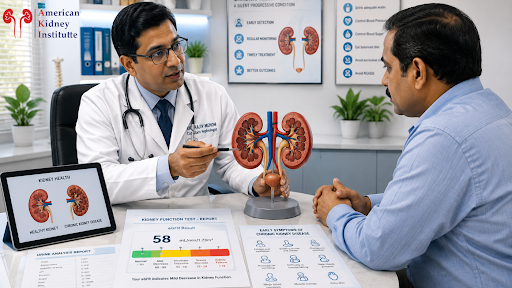
Your kidneys work quietly every single day, filtering waste, balancing fluids, controlling blood pressure, producing important hormones, and keeping your body healthy. Because they perform these essential functions without causing noticeable discomfort, many people don’t realize something is wrong until significant kidney damage has already occurred. That is why learning about Chronic Kidney Disease Symptoms can make a life-changing difference.
Chronic Kidney Disease (CKD) develops gradually over months or even years. In its early stages, it may not cause obvious symptoms, allowing the disease to progress silently. As kidney function decreases, waste products begin to accumulate in the blood, leading to various health problems that affect multiple organs. Recognizing these warning signs early gives you the opportunity to seek medical care before permanent kidney damage occurs.
Many people assume kidney disease only affects older adults, but the reality is different. Individuals with diabetes, high blood pressure, obesity, heart disease, a family history of kidney disease, or unhealthy lifestyle habits are also at increased risk. Even younger adults can develop CKD if underlying medical conditions remain untreated for a long time.
Early diagnosis plays a major role in protecting kidney function. Simple blood tests, urine tests, blood pressure monitoring, and imaging studies can help doctors identify kidney disease before severe complications develop. With proper medical guidance, lifestyle modifications, medications, and regular follow-ups, it is often possible to slow the progression of kidney disease and maintain a good quality of life.
At American Kidney Institute, we believe that awareness is one of the strongest tools for preventing advanced kidney disease. Understanding how your kidneys function and knowing when to seek medical advice can help you make informed decisions that support lifelong kidney health.
Why Are Healthy Kidneys So Important?
Before understanding the warning signs, it is important to know why your kidneys are among the most vital organs in your body. Although each kidney is about the size of a fist, together they perform hundreds of important functions every day that keep every organ working efficiently.
Healthy kidneys continuously clean your blood, remove toxins through urine, regulate electrolyte balance, maintain healthy blood pressure, support red blood cell production, strengthen bones by activating Vitamin D, and help maintain the body’s fluid balance. When kidney function begins to decline, these essential processes become less effective, eventually affecting your heart, brain, bones, muscles, and immune system.
Some of the most important functions performed by healthy kidneys include:
- Filtering nearly 50 gallons of blood every day to remove waste products, toxins, excess water, and harmful substances before they accumulate in the body. This natural filtration system helps maintain overall health and keeps your blood chemically balanced.
- Maintaining the right balance of minerals such as sodium, potassium, calcium, and phosphorus. These minerals are essential for healthy muscles, nerves, heart rhythm, and proper cellular function throughout the body.
- Regulating blood pressure by controlling the amount of fluid in the bloodstream and releasing hormones that help keep blood pressure within a healthy range. Poor kidney function can contribute to difficult-to-control hypertension.
- Producing erythropoietin, a hormone that signals the bone marrow to produce healthy red blood cells. Reduced kidney function can lead to anemia, causing fatigue, weakness, and shortness of breath even during simple daily activities.
When these critical functions begin to decline gradually, Chronic Kidney Disease Symptoms may appear slowly, making them easy to overlook. This is why understanding the early warning signs is essential for protecting your kidney health before irreversible damage occurs.
What Is Chronic Kidney Disease?
Chronic Kidney Disease (CKD) is a long-term condition in which the kidneys gradually lose their ability to filter waste products and excess fluids from the blood. Unlike sudden kidney injury, CKD develops slowly over months or years. Because the damage occurs gradually, many people continue with their daily lives without realizing that their kidneys are becoming weaker. By the time symptoms become noticeable, a significant amount of kidney function may already be lost.
The severity of CKD is measured using the Glomerular Filtration Rate (GFR), which shows how well the kidneys are filtering blood. Doctors classify CKD into five stages, ranging from mild kidney damage to complete kidney failure. Early diagnosis during the first few stages offers the best opportunity to slow disease progression through medication, dietary changes, blood pressure control, and healthy lifestyle habits.
One of the biggest challenges with CKD is that the disease is often called a “silent disease.” Many people do not experience pain or discomfort during the early stages. Instead, the kidneys continue losing function quietly until waste products begin accumulating in the bloodstream. This is why routine health check-ups become extremely important, especially for people with diabetes, high blood pressure, or a family history of kidney disease.
At American Kidney Institute, specialists focus on identifying kidney disease as early as possible through advanced diagnostic testing and personalized treatment plans. Early medical intervention can significantly reduce the risk of complications and help patients maintain better kidney function for many years.
What Causes Chronic Kidney Disease?
Chronic Kidney Disease does not develop overnight. In most cases, it is the result of long-term medical conditions or lifestyle factors that slowly damage the kidneys over time. Understanding these causes can help you take preventive steps before serious complications occur.
Some of the most common causes include:
- Diabetes: High blood sugar levels over many years can damage the tiny blood vessels inside the kidneys, reducing their ability to filter waste efficiently. Diabetes remains one of the leading causes of kidney disease worldwide.
- High Blood Pressure: Uncontrolled hypertension places continuous pressure on the delicate blood vessels in the kidneys. Over time, this damage reduces kidney function and increases the risk of kidney failure.
- Family History of Kidney Disease: People with close relatives who have kidney disease may have a higher risk of developing similar kidney problems and should undergo regular kidney health screenings.
- Obesity and Unhealthy Lifestyle Habits: Excess body weight, smoking, lack of physical activity, excessive salt intake, and poor dietary habits increase the workload on the kidneys and raise the risk of developing CKD.
- Long-Term Use of Certain Medications: Frequent or prolonged use of some painkillers, especially without medical supervision, can gradually damage kidney tissues and reduce kidney function.
Understanding these risk factors and recognizing Chronic Kidney Disease Symptoms at an early stage can help you seek timely medical care and protect your kidneys from permanent damage. In the next section, we will discuss the early warning signs and Chronic Kidney Disease Symptoms that should never be ignored.
Early Chronic Kidney Disease Symptoms You Should Never Ignore
One of the biggest challenges with kidney disease is that the symptoms often develop slowly. Many people mistake them for signs of stress, aging, dehydration, or a busy lifestyle. As a result, they delay visiting a doctor until the kidneys have already suffered significant damage. Paying attention to these warning signs and seeking medical advice early can help protect your kidney function and improve long-term health outcomes.
Below are some of the most common Chronic Kidney Disease Symptoms that should never be ignored.
Persistent Fatigue and Low Energy
Healthy kidneys produce a hormone called erythropoietin, which helps your body make red blood cells. When kidney function declines, the production of this hormone decreases, leading to anemia. As a result, your body receives less oxygen, making you feel constantly tired, weak, or exhausted even after getting enough rest.
If you notice that your energy levels continue to drop without a clear reason and everyday activities become more difficult, it is important to get your kidney function checked.
Swelling in the Feet, Ankles, Hands, or Face
Healthy kidneys remove excess fluid from the body. When they are not working properly, fluid begins to accumulate in different parts of the body, causing noticeable swelling. This swelling is often seen in the feet and ankles but may also affect the hands, legs, or face.
Swelling that persists or worsens over time should always be evaluated because it may indicate reduced kidney function or another serious health condition.
Changes in Urination
One of the earliest Chronic Kidney Disease Symptoms involves changes in urination. These changes may appear gradually and are often overlooked.
Some common urinary changes include:
- Urinating more frequently, especially during the night, even without increasing fluid intake, which may indicate that the kidneys are struggling to concentrate urine effectively.
- Producing less urine than usual despite drinking normal amounts of water, suggesting that the kidneys are not filtering blood properly.
- Foamy or bubbly urine that continues regularly, which may indicate protein leakage into the urine, a common sign of kidney damage.
- Blood in the urine, which should never be ignored because it may be associated with kidney disease, kidney stones, urinary infections, or other serious medical conditions.
Any persistent change in urination deserves prompt medical evaluation rather than waiting for the symptoms to disappear on their own.
High Blood Pressure That Is Difficult to Control
The kidneys and blood pressure are closely connected. Damaged kidneys can contribute to high blood pressure, while uncontrolled hypertension can further damage the kidneys, creating a harmful cycle.
If your blood pressure remains high despite taking medications and following lifestyle recommendations, your doctor may recommend kidney function tests to determine whether kidney disease is contributing to the problem.
Loss of Appetite and Unexplained Weight Loss
As waste products build up in the bloodstream, many people begin to lose their appetite. Food may taste different, meals become less appealing, and some individuals experience nausea after eating.
Over time, reduced food intake may lead to unintended weight loss and nutritional deficiencies, making the body weaker and more vulnerable to infections.
Muscle Cramps and Weakness
The kidneys help regulate important minerals such as potassium, calcium, and sodium. When these minerals become imbalanced due to poor kidney function, muscles may not work properly.
People with CKD often experience painful muscle cramps, muscle weakness, or unusual twitching, especially during the night. Frequent muscle cramps without an obvious cause should not be ignored.
Dry, Itchy Skin
Healthy kidneys remove waste products and maintain the proper balance of minerals in the blood. When this balance is disturbed, many people develop persistent dry or itchy skin.
Although dry skin is common for many reasons, ongoing itching that does not improve with moisturizers may be one of the lesser-known Chronic Kidney Disease Symptoms, particularly when accompanied by other warning signs.
Difficulty Concentrating and Poor Sleep
As kidney function declines, toxins can build up in the bloodstream and affect brain function. Some people notice difficulty concentrating, forgetfulness, poor memory, or trouble completing routine tasks.
Sleep problems are also common. Individuals with CKD may experience insomnia, restless sleep, or frequent nighttime awakenings, especially if they need to urinate multiple times during the night.
At American Kidney Institute, doctors encourage patients not to ignore these early warning signs. Even mild symptoms can indicate underlying kidney problems, and timely evaluation can make a significant difference. Identifying Chronic Kidney Disease Symptoms early allows treatment to begin before severe kidney damage occurs, helping preserve kidney function and improve overall quality of life.
How Is Chronic Kidney Disease Diagnosed?
Recognizing Chronic Kidney Disease Symptoms is only the first step. To confirm whether your kidneys are functioning properly, doctors perform several diagnostic tests that evaluate kidney health from different angles. Early diagnosis helps identify the stage of kidney disease and allows treatment to begin before complications become severe.
Doctors usually recommend kidney screening if you have diabetes, high blood pressure, heart disease, obesity, a family history of kidney disease, or if you are experiencing persistent symptoms such as swelling, fatigue, or changes in urination.
Some of the most important diagnostic tests include:
- Blood Tests: Blood tests measure important markers such as serum creatinine and calculate the estimated Glomerular Filtration Rate (eGFR). These values help doctors understand how efficiently your kidneys are filtering waste from the blood and determine the stage of Chronic Kidney Disease.
- Urine Tests: A urine examination checks for protein, blood, sugar, and other abnormalities. Even a small amount of protein in the urine can be an early indicator of kidney damage long before symptoms become noticeable.
- Blood Pressure Monitoring: High blood pressure is both a cause and a consequence of kidney disease. Regular monitoring helps doctors understand whether uncontrolled hypertension is contributing to kidney damage.
- Kidney Ultrasound: An ultrasound provides detailed images of the kidneys, allowing doctors to identify structural abnormalities, kidney stones, cysts, tumors, or signs of long-term kidney damage without using radiation.
- Kidney Biopsy (When Needed): In certain situations, doctors may recommend removing a tiny sample of kidney tissue for microscopic examination. This helps identify the exact type of kidney disease and guides the most effective treatment plan.
At American Kidney Institute, advanced diagnostic technology and experienced nephrologists work together to detect kidney disease at the earliest possible stage. Early diagnosis gives patients the best opportunity to preserve kidney function and avoid serious complications.
Treatment Options for Chronic Kidney Disease
Although kidney damage caused by CKD cannot always be reversed, modern treatment can significantly slow the progression of the disease. The primary goal is to protect the remaining kidney function, manage symptoms, prevent complications, and improve overall quality of life.
Treatment is personalized based on the stage of CKD, underlying medical conditions, age, and overall health.
Some of the most effective treatment approaches include:
- Managing the Underlying Cause: If diabetes or high blood pressure is causing kidney damage, controlling these conditions becomes the highest priority. Proper blood sugar management and maintaining healthy blood pressure can greatly reduce further kidney damage.
- Medications: Doctors may prescribe medicines to control blood pressure, reduce protein leakage in urine, manage cholesterol levels, treat anemia, balance minerals, and reduce swelling. Taking medications exactly as prescribed is essential for slowing CKD progression.
- Kidney-Friendly Diet: A carefully planned diet plays a major role in protecting kidney health. Patients are often advised to reduce salt intake, limit processed foods, control protein consumption when necessary, and avoid excessive phosphorus and potassium depending on their kidney function.
- Lifestyle Modifications: Maintaining a healthy body weight, exercising regularly, quitting smoking, limiting alcohol intake, staying hydrated as advised by your doctor, and getting adequate sleep all contribute to better kidney health and overall well-being.
- Regular Follow-Up Appointments: CKD requires continuous monitoring. Routine blood tests, urine tests, blood pressure checks, and periodic consultations help doctors adjust treatment plans before complications develop.
- Dialysis or Kidney Transplant (Advanced Stages): For patients whose kidneys lose most of their function, dialysis may be required to remove waste products and excess fluids from the body. In suitable candidates, a kidney transplant may provide a long-term treatment option and improve quality of life.
Can Chronic Kidney Disease Be Prevented?
While not every case of CKD can be prevented, many people can significantly lower their risk by adopting healthy lifestyle habits and managing chronic medical conditions effectively. Prevention is always easier than treating advanced kidney disease.
Here are some practical ways to protect your kidneys:
- Keep your blood sugar levels under control if you have diabetes by following your treatment plan, eating a balanced diet, and attending regular medical check-ups.
- Monitor and control your blood pressure consistently because uncontrolled hypertension remains one of the leading causes of kidney failure worldwide.
- Drink adequate amounts of water based on your doctor’s advice and avoid becoming severely dehydrated, especially during hot weather or illness.
- Reduce your intake of processed foods, packaged snacks, excessive salt, sugary beverages, and unhealthy fats while increasing fresh fruits, vegetables, and whole grains as recommended by your healthcare provider.
- Exercise regularly for at least 30 minutes on most days of the week to maintain a healthy weight, improve heart health, and support proper kidney function.
- Avoid smoking and limit alcohol consumption because both habits increase the risk of kidney damage and cardiovascular disease.
- Never take painkillers or other medications for long periods without consulting a doctor, as certain medicines can gradually damage the kidneys.
- Schedule routine kidney health screenings if you have diabetes, hypertension, obesity, heart disease, or a family history of kidney disease. Early detection is one of the most effective ways to prevent serious complications.
By recognizing Chronic Kidney Disease Symptoms early, following healthy lifestyle habits, and seeking timely medical care, many people can slow disease progression and continue living active, healthy lives. At American Kidney Institute, personalized treatment plans and regular monitoring help patients protect their kidneys and maintain the best possible quality of life.
Conclusion
Your kidneys work continuously to keep your body healthy, often without receiving much attention until something goes wrong. Unfortunately, Chronic Kidney Disease can progress silently for years, making early awareness extremely important. The good news is that timely diagnosis, healthy lifestyle choices, and regular medical care can slow the progression of the disease and help you maintain better kidney function for a longer period.
Never ignore persistent tiredness, swelling, changes in urination, high blood pressure, or unexplained loss of appetite. These warning signs may seem minor at first, but they could indicate that your kidneys need immediate medical attention. Listening to your body and seeking medical advice early can make a significant difference in preventing serious complications.
If you have diabetes, high blood pressure, obesity, heart disease, or a family history of kidney disease, regular kidney health screenings should become a part of your routine healthcare. Simple blood and urine tests can detect kidney problems long before severe symptoms appear, allowing treatment to begin at the right time.
At American Kidney Institute, experienced nephrologists are committed to providing comprehensive kidney care through advanced diagnostics, personalized treatment plans, preventive care, dialysis services, and long-term patient support. Whether you have mild kidney problems or advanced kidney disease, receiving timely medical care can help protect your kidney function and improve your overall quality of life.
Remember, recognizing Chronic Kidney Disease Symptoms early is one of the most effective ways to preserve your kidney health. Don’t wait until symptoms become severe, take proactive steps today for a healthier tomorrow.
Frequently Asked Questions (FAQs)
1. What are the earliest Chronic Kidney Disease Symptoms?
The earliest Chronic Kidney Disease Symptoms often include fatigue, swelling in the feet or ankles, frequent urination at night, foamy urine, and difficulty controlling blood pressure. Many people experience very mild symptoms initially, making routine health check-ups essential for early detection.
2. Can Chronic Kidney Disease be cured?
Chronic Kidney Disease usually cannot be completely cured because damaged kidney tissue does not regenerate easily. However, early diagnosis, medications, healthy lifestyle changes, and regular follow-ups can significantly slow disease progression and help preserve kidney function for many years.
3. Who is at the highest risk of developing Chronic Kidney Disease?
People with diabetes, high blood pressure, obesity, heart disease, autoimmune disorders, or a family history of kidney disease have a higher risk of developing CKD. Older adults and individuals with unhealthy lifestyle habits should also undergo regular kidney health screenings.
4. How is Chronic Kidney Disease diagnosed?
Doctors diagnose CKD through blood tests, urine tests, blood pressure monitoring, kidney ultrasounds, and sometimes a kidney biopsy. These tests help determine how well the kidneys are functioning and identify the stage of kidney disease for appropriate treatment.
5. Can drinking more water prevent kidney disease?
Drinking enough water supports overall kidney health, but it cannot completely prevent Chronic Kidney Disease. The best prevention includes controlling diabetes, managing blood pressure, eating a balanced diet, avoiding smoking, exercising regularly, and attending routine medical check-ups.
6. When should I see a nephrologist?
You should consult a nephrologist if you notice persistent swelling, blood in the urine, foamy urine, unexplained fatigue, abnormal kidney test results, or uncontrolled high blood pressure. Early consultation allows treatment to begin before kidney damage becomes severe.
7. Can lifestyle changes help slow Chronic Kidney Disease?
Yes. Healthy lifestyle changes such as maintaining a balanced diet, limiting salt intake, exercising regularly, avoiding tobacco, controlling blood sugar and blood pressure, and following your doctor’s advice can significantly slow the progression of Chronic Kidney Disease and improve overall health.
8. Why choose the American Kidney Institute for kidney care?
American Kidney Institute provides comprehensive kidney care with experienced nephrologists, advanced diagnostic facilities, personalized treatment plans, dialysis services, and patient-focused care. Early diagnosis and continuous monitoring help patients manage kidney disease effectively and maintain a better quality of life.